
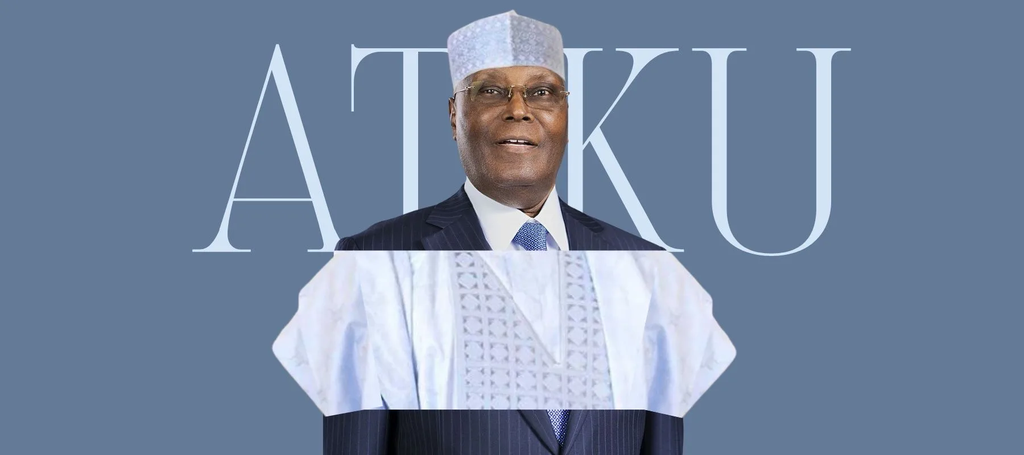
Political conversations across Nigeria reached a high point when former Vice President Atiku Abubakar clarified why he chose not to sign the peace agreement organized by the National Peace Committee. The gathering brought together key leaders and political figures in Abuja, but the noticeable absence of the main opposition heavyweight quickly became the primary focus of national debate.
Many people wondered why such a prominent figure would skip an event designed to promote calm and fair competition. His team came out to explain that signing a paper without addressing core systemic problems feels more like a photo opportunity than a genuine commitment to reform. They noted that real peace requires equal rights, impartial law enforcement, and transparent electoral processes rather than symbolic handshakes in front of cameras.
This decision has sparked widespread discussions among voters, political analysts, and commentators across the country. Understanding why this happened requires looking closely at what the peace accord represents, what Atiku’s team argued, how rival political parties responded, and how the broader political landscape is reacting to this move.
Understanding the National Peace Accord and Its History
How the Peace Committee Started
The National Peace Committee came into existence over a decade ago under the leadership of respected national elders, including former Head of State General Abdulsalami Abubakar and Bishop Matthew Hassan Kukah. The primary goal was straightforward: bring political leaders together before major national events to commit publicly to non-violent campaigns and respectful communication.
Over the years, the committee has provided a neutral platform where political rivals can shake hands and pledge to keep their supporters orderly. Broad coverage of these gatherings by media outlets like TVC News Coverage shows how these symbolic gestures are intended to reduce tension across different states and communities during intense political cycles.
The $0 Secret To Launching Your Entire Online Empire
Why pay hundreds every month for separate software? Build funnels, send emails, and make sales with Systeme.io completely free.
Get Started For $0Free Forever • No Credit Card Needed • Beginner-Friendly
While the committee has worked tirelessly to keep political dialogue peaceful, critics often argue that these voluntary agreements lack legal enforcement mechanisms. When politicians sign the document, there is no direct judicial penalty or legal consequence if their supporters violate the spirit of the agreement during live political rallies or online campaigns.
What the Document Actually Says
The peace accord document asks political parties and candidates to avoid hate speech, stop using personal insults, and reject any form of electoral violence or intimidation. It emphasizes that political campaigns should be based on real national issues, economic growth plans, public safety strategies, and governance ideas rather than ethnic or religious division.
Reports from public updates like the Morning Express Broadcast highlight how the document serves as a moral reminder that politics should serve the public good. It also calls on politicians to actively discourage misinformation, fake news, and targeted harassment among their supporter base.
However, many political observers point out that a signed piece of paper cannot replace strong law enforcement and independent institutional checks. Without equal consequences for those who break election guidelines or incite violence, signing the accord can feel like a routine political ritual rather than a binding contract that protects citizens.
Atiku’s Stand: Why He Stayed Away and Clarified His Position
The Statement from Atiku’s Camp
Following the ceremony in Abuja, representatives from Atiku’s political camp stepped forward to explain his absence and set the record straight. During a featured Channels Television Interview, key spokespersons explained that participating in the signing without fixing basic institutional flaws creates a false sense of security for the public.
They argued that peace cannot exist in a vacuum where opposition figures feel unfair pressure, face restricted political space, or where political institutions appear biased toward the incumbent power. According to his team, true peace comes from fairness, equal opportunity, and transparency long before election day arrives.
Rather than joining what they called a purely ceremonial event, Atiku’s team stated that their focus remains on demanding real structural reforms. They insist that signing an accord without solving existing political grievances does not protect the rights of ordinary voters or guarantee a level playing field.
The Core Arguments Raised
Atiku’s representatives pointed out several specific issues that led to their firm stance. First, they highlighted concerns about how state resources and security agencies are sometimes deployed to suppress opposition activities or restrict campaign access in certain states.
Second, they raised critical questions about electoral integrity and the need for complete transparency in political processes. From their perspective, asking opposition parties to sign a peace pledge while ignoring their complaints about fair play and voter protection is fundamentally unbalanced.
Third, they stressed that political peace must be earned through equal enforcement of rules rather than public ceremonies. They believe that if the playing field is truly fair and transparent, peace will naturally follow without requiring high-profile moral appeals on national television.
How Other Political Parties and Leaders Reacted
The Response from the Ruling Party
Supporters of the ruling government viewed Atiku’s decision differently, framing the peace accord as an essential step toward national stability and democratic maturity. In the Official State House Statement, government officials emphasized that leaders must put national unity above personal or party grievances.
They argued that signing the document sends a reassuring signal to citizens, business owners, and international partners that the political class values order and stability. From their perspective, skipping the event shows a lack of commitment to peaceful democratic standards and respectful political dialogue.
The ruling party insisted that all candidates, regardless of their political differences, should show up and demonstrate leadership by signing the pledge. They maintained that public commitments help lower political temperatures across the nation and set a positive example for young supporters.
What Other Opposition Leaders Did
The event saw mixed attendance from various political groups and regional figures across the country. According to news reports from TRT Afrika, several opposition candidates and party representatives did attend and signed the document, while others sent representatives or raised similar questions about its practical value.
Some opposition members who attended stated that they signed to show respect for the National Peace Committee and to prove their peaceful intentions to the public. They argued that participating does not mean they agree with everything the government does, but rather shows goodwill toward the country.
Send, Spend & Hold Money Worldwide Without Hidden Fees
Transfer money internationally at the real exchange rate and hold 40+ currencies in one account.
Open a Wise AccountMid-market rate • Fast transfers • 40+ currencies
Others shared Atiku’s skepticism, arguing that signing peace agreements has become an annual political show that rarely changes actual behavior on the ground. This split in opinion shows how deeply divided the political class remains on the best way to handle electoral accountability and political trust.
Why This Moment Matters for Nigerian Politics
Beyond Photo Ops: Real Peace vs. Paper Accords
This incident has restarted a broader public discussion about the true value of moral accords in modern politics. Everyday citizens are increasingly asking whether public handshakes between political leaders actually prevent conflict on the street or improve governance.
Many people feel that real peace comes from strong public institutions, impartial security forces, independent judicial oversight, and clear rule of law. When citizens see that rules are enforced fairly for everyone, confidence in the system grows naturally without needing solemn public pledges.
On the other hand, peace accords do serve a purpose by establishing a moral baseline for public behavior. They give civil society groups, human rights organizations, and media outlets a standard to hold politicians accountable when campaign language becomes too heated or divisive.
How Social Media and Digital News Shape Public Opinion
In today’s digital environment, political developments move faster than ever before. A single speech, official statement, or boycott can trend across social media platforms within minutes, sparking thousands of comments, debates, and video breakdowns.
Understanding these modern communication channels is vital for keeping up with fast-moving political news. Just as content creators learn modern tools on our YouTube automation updates page or follow digital innovations in our tech and AI trends section, political figures are using digital tools to spread their messages directly to the public without traditional media filters.
Online platforms allow politicians to clarify their positions immediately to millions of people, but they also expose them to instant public scrutiny. Readers now compare statements from different parties side by side, making it much harder for leaders to change their narrative without people noticing.
What Citizens and Young Voters Should Take Away
Focusing on Real Issues Over Political Drama
It is easy to get caught up in the drama of who signed what document, who showed up at a venue, and who skipped a televised ceremony. However, experienced political observers advise voters to look beyond the surface headlines and focus on substantive policy issues that directly impact daily life.
Pay close attention to what each political group proposes regarding economic growth, job creation, food security, public safety, healthcare, and education. A candidate’s practical plan for tackling real daily challenges matters far more than their presence at a ceremonial signing event.
Democracy thrives when citizens ask tough questions, examine policy proposals, and hold leaders accountable for their action plans rather than their public appearances. Evaluating candidates on their ideas helps build a more informed, resilient, and powerful electorate.
The $0 Secret To Launching Your Entire Online Empire
Why pay hundreds every month for separate software? Build funnels, send emails, and make sales with Systeme.io completely free.
Get Started For $0Free Forever • No Credit Card Needed • Beginner-Friendly
Staying Informed with Reliable Sources
Keeping up with fast-changing political events requires following clear, balanced news sources. It is always wise to read multiple perspectives before forming a firm opinion on any major political debate or controversial headline.
To learn more about our mission to bring you straightforward, readable news and engaging commentary on trending topics, feel free to visit our about us page or reach out through our contact page. You can also join our vibrant online community on our Instagram page, check out updates on our Facebook page, and follow instant chatter on our X handle.
Staying engaged with community discussions helps you separate facts from rumors as national events unfold.
Frequently Asked Questions (FAQs)
Why didn’t Atiku Abubakar sign the peace accord?
Atiku Abubakar’s team stated that signing the accord without addressing underlying issues like institutional fairness, equal political access, and equal treatment for opposition parties makes the event purely ceremonial. They argued that genuine peace requires structural fairness rather than just signing a document.
What is the main purpose of the National Peace Accord in Nigeria?
The National Peace Accord is designed to encourage political parties and candidates to commit to non-violent, issue-based campaigns. It aims to reduce political tension, discourage hate speech, prevent harassment, and promote peaceful conduct during national campaign periods.
Who organizes the Peace Accord events?
The events are organized by the National Peace Committee, an independent group of respected national elders, religious leaders, and former statesmen, including General Abdulsalami Abubakar and Bishop Matthew Hassan Kukah.
Is the National Peace Accord legally binding?
No, the peace accord is a moral commitment rather than a legally enforceable contract. While it holds significant public and political weight, failure to abide by it does not carry direct judicial penalties under Nigerian statutory law.
Did other major political leaders sign the agreement?
Yes, several political leaders and party representatives attended the Abuja event and signed the pledge, committing their organizations to peaceful campaign activities. However, attendance and enthusiasm varied across different opposition parties.
How can regular citizens promote political peace?
Citizens can promote peace by avoiding political hate speech online and offline, fact-checking news before sharing it, rejecting political violence, demanding fair policy debates, and focusing on practical governance solutions rather than personal attacks during political discussions.
The debate surrounding Atiku Abubakar’s decision not to sign the peace accord highlights a fundamental question in modern Nigerian politics: whether moral pledges or structural reforms are more effective at securing peaceful political engagement. As political awareness continues to grow among citizens, the demand for true fairness, institutional integrity, and actionable governance solutions will remain at the forefront of national discourse. Staying engaged, asking critical questions, and looking beyond headlines will help every voter make informed decisions for the future of the nation.
