
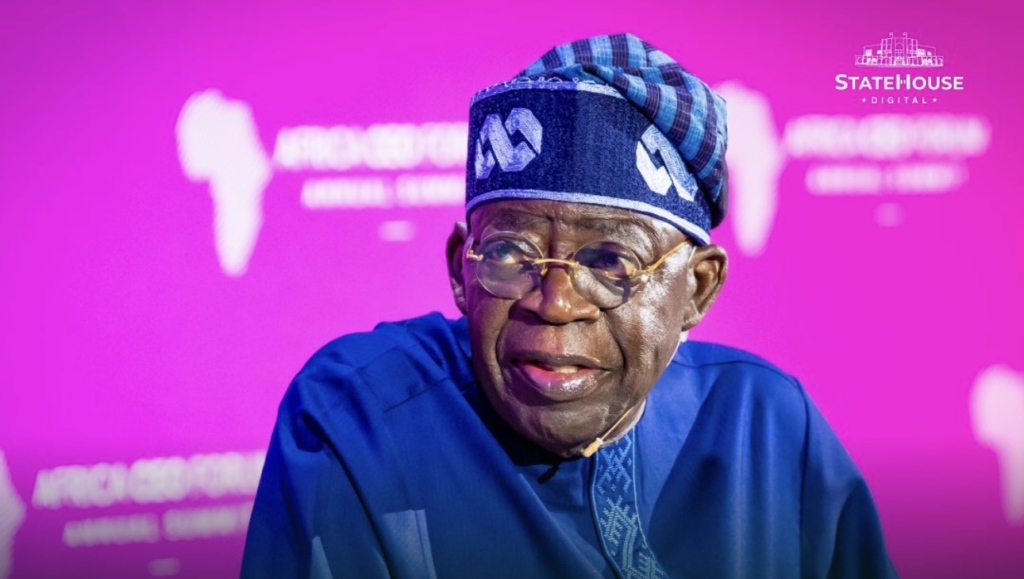
Politics in Nigeria is becoming more active as leaders across different sectors share their views on the current state of the nation. In a recent public statement, prominent Christian elders reached out directly to President Bola Ahmed Tinubu with a major request. They asked him not to run for re-election when his current tenure finishes in 2027.
The elders stated that their advice comes from watching the heavy financial burden and security struggles that everyday citizens deal with daily. They believe the performance of the current administration has fallen short of what citizens expected when the leadership took office in May 2023.
At WhatsBuzzn, we keep a close watch on major news, political developments, and cultural moments that shape daily conversation. This call from faith leaders has generated intense conversation among citizens, political analysts, and community members across Nigeria.
What the Christian Elders Said in Their Message
The statement from the Christian leaders focused heavily on the moral responsibility of governance. These elders, representing various church bodies and elder forums across the country, voiced deep concerns about how the average family is faring under current economic conditions.
In their statement, they pointed out that leadership should be judged by how well it improves the lives of the people. According to them, the economic policies implemented over the past few years have created unexpected levels of hardship for low-income and middle-class households.
The $0 Secret To Launching Your Entire Online Empire
Why pay hundreds every month for separate software? Build funnels, send emails, and make sales with Systeme.io completely free.
Get Started For $0Free Forever • No Credit Card Needed • Beginner-Friendly
“Governance is ultimately about the welfare and security of the people. When the daily burden becomes too heavy for families to carry, leaders must reflect honestly on their policies and performance.”
Rather than preparing for another election campaign in 2027, the elders urged President Tinubu to focus entirely on addressing the country’s immediate problems. They suggested that stepping aside gracefully at the end of his term would allow new leadership to step forward while giving him space to finish his current term with meaningful corrections.
For more context on national political discussions, reports from major news outlets like Punch Newspapers and Vanguard News continue to track public reactions and official responses from government spokespersons.
Key Factors Behind the Disappointment
To understand why this appeal was made, it helps to look at the main challenges currently affecting households across Nigeria. The elders highlighted several specific areas where they feel the administration needs urgent improvements.
The Rising Cost of Living and Food Inflation
Food prices have gone up dramatically over recent months. Essential food items like rice, garri, beans, cooking oil, and vegetables cost significantly more than they did two years ago.
For many families, feeding everyone daily has become a major challenge. The high cost of transportation, driven by rising fuel prices, adds directly to market prices since food items must be transported long distances from farms to urban markets.
Fuel Subsidy Removal and Transportation Costs
The removal of the petrol subsidy was announced on day one of this administration. While the government explained that subsidy payments were draining national finances, the immediate effect on fuel prices was sharp and immediate.
Higher petrol prices instantly pushed up transport fares. Workers spend a much larger percentage of their monthly income just commuting to work, while small business owners who rely on fuel generators face higher operational expenses every day.
Devaluation of the Local Currency
Changes made to the foreign exchange system caused the value of the Naira to drop compared to major international currencies. Because Nigeria imports many essential products, including medical supplies, electronics, raw manufacturing materials, and equipment, the foreign exchange rate affects domestic retail prices directly.
When the local currency loses value, imported items become far more expensive, and local manufacturers pass those extra costs on to consumers.
Ongoing Security Issues in Agriculture Areas
Security remains a top concern for community elders. In many rural communities, farmers struggle to work safely in their fields due to threats from bandits, kidnappers, and communal conflicts.
When farming activities are disrupted, the total harvest decreases. Lower supply in the markets inevitably leads to higher food prices, making it harder for cities and towns to achieve food security.
How the Government and the Public Have Reacted
A message like this always produces a wide range of opinions across the country. Citizens, political commentators, and government representatives have shared different perspectives on the matter.
The Government View and Supporters
Supporters of President Tinubu and officials within the government argue that deep structural reforms are rarely comfortable in the beginning. They explain that the economic policies introduced were necessary to fix long-standing financial problems that accumulated over decades.
Supporters maintain that policy reforms, such as tax changes, infrastructure investments, and local production incentives, take time before results become visible to everyone. They encourage citizens to remain patient while these economic foundations settle.
Send, Spend & Hold Money Worldwide Without Hidden Fees
Transfer money internationally at the real exchange rate and hold 40+ currencies in one account.
Open a Wise AccountMid-market rate • Fast transfers • 40+ currencies
Public Sentiment and Social Media Debate
On the other hand, many citizens feel that reforms should come with stronger social support systems to cushion the impact on ordinary households. Social media platforms have become the main space where people discuss these issues daily.
If you want to read what people are saying, see live reactions, and share your own thoughts on trending political news, feel free to visit our social community pages on Facebook, Instagram, and X (formerly Twitter).
The Role of Religious Leaders in Nigerian Politics
Religious leaders hold a respected position in Nigerian society. Because millions of citizens gather weekly in places of worship, faith leaders hear directly from community members who share their personal, financial, and family struggles.
When Christian or Islamic leaders speak about national issues, they often view their role as speaking truth to power on behalf of the vulnerable. Their statements carry moral weight because they are seen as independent voices removed from party politics.
Throughout Nigeria’s history, political leaders have frequently consulted religious bodies during times of social tension. When faith groups raise concerns about economic hardship, politicians generally take notice because these leaders represent large groups of voters across every region.
How Digital Media Shapes Political Awareness
In earlier times, citizens relied mainly on television and daily newspapers to follow political news. Today, the way information spreads has completely transformed thanks to digital platforms and online creator tools.
Younger generations access breaking news through short video clips, podcasts, and digital articles. This shift allows news to spread quickly, giving more citizens access to details about policies and governance.
Understanding digital media tools can help anyone share news and express their voice online. To learn more about modern digital trends, check out our articles on technology and AI, or learn about online media creation through our guides on YouTube automation.
What This Statement Means for the 2027 Election Cycle
Even though the next presidential election is still ahead, political movements usually begin well before campaign season officially opens.
When key societal groups ask an incumbent president not to run again, it creates several ripple effects across the political landscape:
The $0 Secret To Launching Your Entire Online Empire
Why pay hundreds every month for separate software? Build funnels, send emails, and make sales with Systeme.io completely free.
Get Started For $0Free Forever • No Credit Card Needed • Beginner-Friendly
- Party Strategy: Political parties begin evaluating public satisfaction and reviewing their internal strategies for future election campaigns.
- Opposition Discourse: Opposition parties use public criticism as an opportunity to present alternative policy solutions to the electorate.
- Focus on Governance: Public calls like this put extra pressure on the sitting administration to deliver quick, measurable improvements that ease daily hardship before the election period arrives.
Ultimately, whether President Tinubu decides to run for a second term or not will depend on political decisions and personal choices. However, statements from religious elders demonstrate that governance outcomes and citizen welfare remain the primary focus for voters.
Frequently Asked Questions (FAQs)
Why did the Christian elders ask President Tinubu not to seek re-election?
The elders expressed deep concern over high food prices, fuel costs, currency devaluation, and security issues. They believe his administration’s economic policies have created severe hardship for everyday citizens, leading them to suggest that he focus on completing his current term rather than seeking another four years in 2027.
Does the Nigerian Constitution allow a president to seek re-election?
Yes. Under the Constitution of the Federal Republic of Nigeria, an elected president is eligible to serve a maximum of two four-year terms if re-elected by voters in a general election.
How do religious leaders influence voters in Nigeria?
Religious leaders interact with millions of citizens every week. Their opinions carry significant moral weight, and their guidance often influences how community members view government policies and political candidates.
What steps is the government taking to lower the cost of living?
The government has introduced measures such as cash transfer programs for vulnerable households, duty waivers on certain imported food items, and investments in agriculture and public transport projects aimed at stabilizing prices over time.
How can citizens follow major news updates in Nigeria?
Citizens can stay updated by reading reputable news websites, following balanced digital news platforms, and engaging with social media discussions across official news channels.
Conclusion
The message from Christian elders to President Bola Ahmed Tinubu highlights the growing public conversation around governance, economic reforms, and citizen well-being in Nigeria. While political leaders argue that reform processes require patience, everyday citizens continue to look for immediate relief from high living costs.
As the country moves forward, open discussions between political leaders, civic bodies, and religious figures remain essential for building a stable and prosperous nation. Staying informed on these developments helps every citizen understand the policies shaping their daily lives.
If you have questions, feedback, or want to get in touch with our team, feel free to visit our Contact Us page. Stay tuned to WhatsBuzzn for the latest updates on trending news and insightful stories.
