
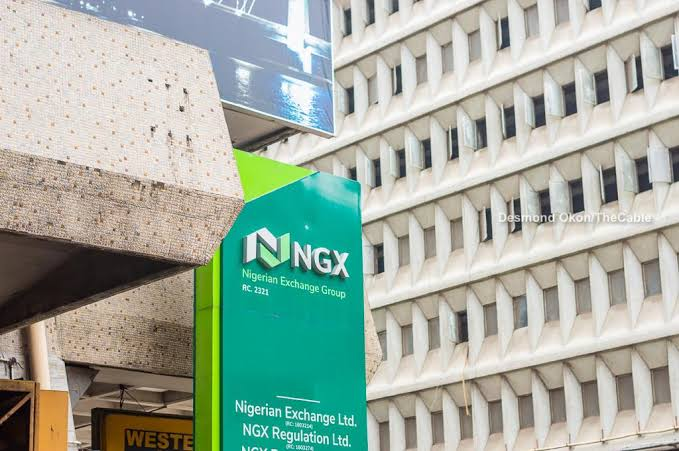
The Nigerian stock market has delivered a massive boost for investors, gaining N482 billion in a single trading session. This impressive turnaround wiped out previous losses and pushed the market back into solid green territory.
Financial news often sounds like complicated math meant only for bankers in expensive suits. However, when the stock market moves this fast, it touches everyone—from big institutions down to everyday citizens saving for the future.
This guide explores what caused this massive rebound, which companies led the charge, and why these market numbers actually matter to your personal financial journey.
Breaking Down the N482 Billion Market Rebound
To understand this financial leap, we first need to look at how the stock market works day to day. Stock prices move up and down based on supply and demand. When more people want to buy shares of public companies than sell them, prices go up. When more people want to sell, prices go down.
A rebound happens when a market that was recently dropping or standing still suddenly experiences a huge wave of buying interest. Buyers step in, demand shoots up, and share values jump across the board.
Build Funnels, Email Lists & Sell Online With One Free Tool
Create funnels, send emails, and sell online using Systeme.io without paying for multiple tools.
Create Free AccountFree forever • No credit card • Beginner-friendly
During this particular trading session, investor confidence returned with strong force. The total market capitalization—which is the combined cash value of every company listed on the exchange—surged by N482 billion in just one day.
According to updates from the Nigerian Exchange Group, the benchmark All-Share Index moved up significantly. This index acts as a health check for the whole stock market. When the index rises, it shows that the overall value of listed businesses is growing rather than shrinking.
What Triggered This Major Financial Boost?
A sudden jump of N482 billion does not happen by accident. Several key forces lined up at the same time to convince investors that it was time to buy.
Strong Earnings Reports
Companies listed on the market recently published their financial reports showing strong profits. When businesses prove they are making money, investors feel safe putting their cash into those businesses. Investors also look for companies that pay healthy dividends, which are cash rewards paid out directly to shareholders.
Banking Sector Recapitalization and Growth
Banks are the engine room of the local stock exchange. Recent regulatory directives requiring banks to boost their capital base have created lots of excitement. Major financial institutions have been restructuring, raising new capital, and expanding operations. Investors see this as a sign that the banking sector is getting stronger and more resilient for the long term.
Heavy Buying by Institutional Investors
Institutional investors are big organizations like pension fund administrators, insurance firms, and asset management companies. They trade with huge sums of money. When pension managers decide that stock prices have dropped low enough to offer great bargains, they move in with massive buy orders. Their participation creates a domino effect, driving prices up quickly.
Improved Market Sentiment
Fear and optimism drive financial markets. For a few weeks, many investors stood on the sidelines waiting to see how broader economic policy updates would shake out. As stability returned and currency markets stabilized, hesitation turned into action. Investors rushed back in so they would not miss out on rising stock prices.
Key Companies and Sectors Leading the Charge
Not every company grows at the exact same pace during a rebound. A few heavy hitters usually carry most of the weight.
Financial Services and Banking Stocks
Banking stocks were among the most actively traded shares on the floor. Tier-one banks recorded substantial price increases as millions of shares changed hands. Names like GTCO, Zenith Bank, United Bank for Africa (UBA), and Access Holdings saw strong buying demand. Banking shares remain popular because they offer high liquidity, meaning you can easily buy or sell them whenever you need to cash out.
Telecom and Industrial Giants
Large-cap stocks—often called “blue-chip” stocks—played a vital role in pushing the total market value higher. Companies like Airtel Africa, MTN Nigeria, BUA Cement, and Dangote Cement hold massive market share. Because these companies are so large, even a minor percentage increase in their stock price adds billions of Naira to the overall market total.
Consumer Goods
Food, beverage, and household manufacturing companies also enjoyed positive momentum. Despite rising operational costs, consumer goods businesses that continue to deliver solid sales numbers attracted steady interest from investors looking for long-term growth. Coverage in major financial publications like The Guardian highlights how consumer goods names frequently rebound strong when domestic demand shows stability.
Why Stock Market Gains Matter to Everyday People
You might think that stock market news only matters if you spend your day watching trading screens. That is a common misunderstanding. Market movements directly impact your life in several real ways:
Your Pension Fund Grows
If you work a formal job, a portion of your monthly salary goes into a retirement savings account managed by a Pension Fund Administrator (PFA). Pension funds do not just leave your cash sitting in a vault. By law, they invest a significant portion of those funds into safe, top-performing stocks listed on the exchange. When the stock market gains N482 billion, the total value of your retirement savings goes up too.
Better Business Opportunities and Jobs
When a company’s stock price goes up, its overall valuation rises. This makes it easier for that company to raise money, take out loans for expansion, build new facilities, or hire more workers. A booming stock market is often a sign that businesses are preparing to expand, which can lead to job openings across different industries.
Protection Against Inflation
Leaving all your cash in a basic bank savings account often means losing purchasing power over time because inflation eats away at your money. High-performing stocks historically outperform standard bank interest rates over long periods. Watching market rebounds helps you realize that investing in strong companies can be an effective way to preserve and build wealth.
Modern Tech and How Trading Is Changing
Years ago, buying stocks required filling out long paper forms, calling a broker on a landline, and waiting days for transactions to clear. Technology has completely rewritten those rules.
Today, anyone with a smartphone can open an account, complete verification, and buy shares in minutes. Financial technology (FinTech) apps have democratized wealth creation. You can track real-time stock prices, read company earnings reports, and place trade orders directly from your bedroom.
If you enjoy keeping up with how modern digital tools are transforming everyday life and personal finance, explore our latest insights on Technology & AI.
Many individuals are also exploring digital opportunities outside traditional investing. From building online brands to learning about modern side hustles, digital skills are becoming essential. If you want to learn how people use automated video platforms to generate income, check out our guide on YouTube Automation. Combining smart stock investments with modern digital income streams is becoming a popular strategy for building long-term financial security.
Smart Rules for Beginner Investors
A market gain of N482 billion sounds exciting, but jumping in without a plan can lead to costly mistakes. Financial markets go down just as easily as they go up. Here are essential rules to keep in mind if you want to start building an investment portfolio:
1. Do Not Invest Your Emergency Money
Never use money meant for rent, food, medical care, or school fees to buy stocks. Stock investments work best over medium to long time horizons. If you put money into the market that you need next week, you might be forced to sell your shares at a loss if the market drops temporarily.
2. Avoid Fear of Missing Out (FOMO)
When news breaks that the market made N482 billion, beginner investors often rush to buy whatever stock is trending. Buying shares simply because their prices are skyrocketing is dangerous. Take time to look at the business behind the stock. Does the company make a profit? Does it have strong leadership? Does it pay dividends?
3. Spread Your Risk (Diversification)
Do not put all your money into a single company or even a single sector. If you buy only banking stocks and the banking industry hits a rough patch, your whole portfolio suffers. Spreading your investments across banking, agriculture, telecom, and consumer goods helps protect your total capital.
4. Think Long-Term
Treat buying a stock as buying a small piece of a real business. If you own a piece of a healthy, growing company, you do not need to panic every time the price dips for a few days. The biggest fortunes in stock market history were built by people who held quality assets over many years.
Frequently Asked Questions
What does a N482 billion stock market gain mean?
It means the total market value of all companies listed on the stock exchange increased by N482 billion in a single trading session due to strong buying demand from investors.
Does a stock market rebound mean the whole economy is doing great?
Not necessarily. The stock market reflects investor expectations for publicly listed companies, which are often the largest and most resilient businesses in the country. While a rising stock market shows growing business confidence, smaller businesses and informal workers may still face everyday economic pressures.
Can ordinary people invest in the Nigerian stock market with small amounts?
Yes. Thanks to modern investment apps, you do not need millions of Naira to begin. Many platforms allow you to start buying fractional shares or small packages of stocks with very reasonable amounts of capital.
Build Funnels, Email Lists & Sell Online With One Free Tool
Create funnels, send emails, and sell online using Systeme.io without paying for multiple tools.
Create Free AccountFree forever • No credit card • Beginner-friendly
What is the difference between market capitalization and share price?
Share price is the cost of buying one single unit of a company’s stock. Market capitalization is the total cash value of the entire company, calculated by multiplying the current share price by the total number of shares that exist.
Are stock market returns guaranteed?
No. Stock prices move up and down based on market conditions, company performance, and general economic factors. Risk is always involved, which is why researching companies before buying shares is so important.
Keeping track of big economic turns does not have to be confusing or boring. Seeing the stock market bounce back with a massive N482 billion gain proves that opportunities exist even during tricky financial times. Whether you are looking to invest your own money or simply want to stay informed about major world trends, staying educated is your best asset.
We love hearing what our readers think. Have you ever considered investing in stocks, or do you prefer other ways of growing your money? Reach out directly through our Contact Page to share your thoughts and ideas with our team.
Stay connected with our community across social media so you never miss a trending story:
- Follow our daily updates on Instagram
- Join our community discussions on Facebook
- Get real-time alerts and news on X (Twitter)
