
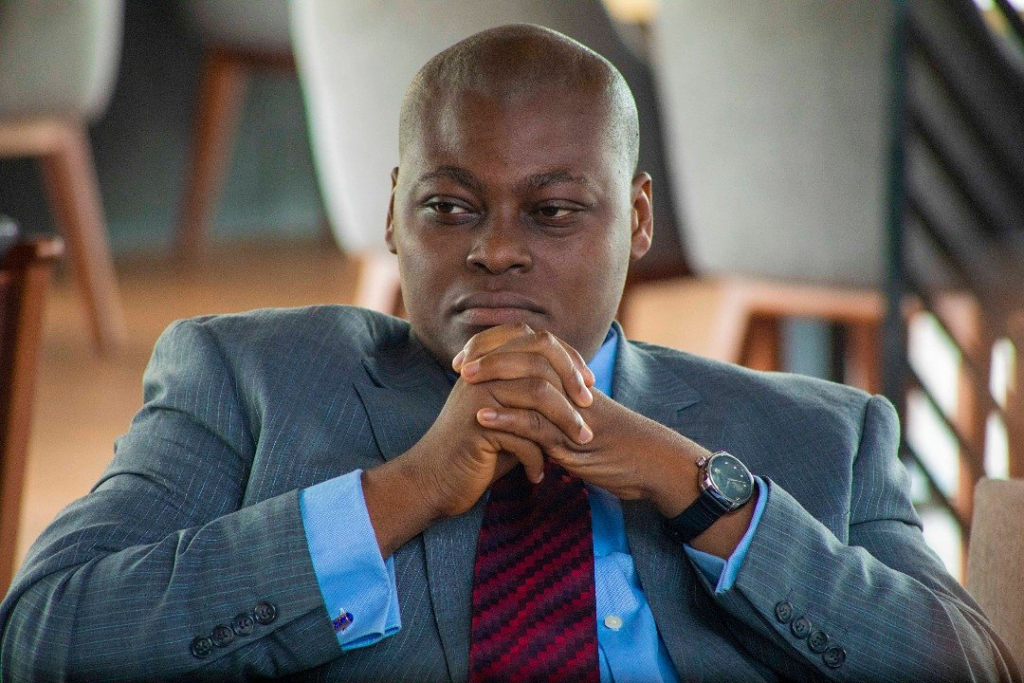
When bold broadcast journalists speak out about political safety in Nigeria, the entire nation stops to listen. Political analyst and TV presenter Rufai Oseni raised eyebrows across the country with a direct and urgent message: Peter Obi, the 2023 Labour Party presidential candidate and one of Nigeria’s primary opposition leaders, must be protected at all costs.
This declaration immediately triggered intense debate on national radio shows, television panels, and digital platforms. Some citizens viewed it as a timely warning about the dangers facing opposition figures in developing democracies. Others questioned why a specific political figure required such explicit public protection, arguing that all citizens deserve equal security under the law.
Looking closely at Rufai Oseni’s statement reveals a much broader picture. This conversation goes far beyond a single political candidate or electoral cycle. It touches on fundamental questions about free speech, opposition rights, media independence, political tolerance, and the long-term health of Nigerian democracy.
Who Is Rufai Oseni and Why Does His Voice Carry Weight?
Rufai Oseni is widely recognized as one of Nigeria’s most outspoken broadcast journalists and political commentators. Through his prominent roles on Arise News and Voice of the People (VOP) FM, he has earned a reputation for asking tough, uncompromising questions that hold public officials accountable.
Unlike traditional media commentators who often avoid confrontation, Rufai approaches political journalism with a direct and energetic style. He regularly challenges ruling party officials, opposition figures, government ministers, and economic policy analysts alike. Whether the topic is national debt, inflation, security breakdown, or government spending, Rufai insists on facts, clear numbers, and straightforward answers.
Build Funnels, Email Lists & Sell Online With One Free Tool
Create funnels, send emails, and sell online using Systeme.io without paying for multiple tools.
Create Free AccountFree forever • No credit card • Beginner-friendly
Because he applies this rigorous standard across the entire political spectrum, his commentary holds immense weight with millions of Nigerians. When a seasoned journalist with his track record warns that a major opposition figure needs protection, people pay attention. Rufai understands the deep political friction in Nigeria and recognizes that silencing or intimidating key opposition figures weakens democratic governance for everyone.
What Spurred the Call to Protect Peter Obi?
Politics in Nigeria has historically been a high-stakes, high-pressure environment. Leading up to and following major national elections, prominent opposition leaders often face intense political hostility, aggressive smear campaigns, state surveillance, and physical security risks.
Peter Obi holds a unique and influential position in modern Nigerian political history. After serving two terms as the Governor of Anambra State and standing as the PDP vice-presidential candidate in 2019, Obi broke away from traditional party structures ahead of the 2023 general election. Joining the Labour Party, he spearheaded a historic third-force movement that disrupted the long-standing two-party dominance of the All Progressives Congress (APC) and the Peoples Democratic Party (PDP).
Backed by a massive, youth-led movement popularizing the term “Obidients,” Obi transformed national political discussions. His campaign focused heavily on economic reform, fiscal discipline, reducing the cost of governance, and shifting Nigeria from a consumption-based economy to a production-driven economy.
Because Obi remains a central symbol of political opposition and youth aspirations, any potential threat to his physical safety, political freedom, or public reputation sends shockwaves through his supporter base. When political rumors, judicial challenges, state pressure, or security concerns mount, journalists like Rufai Oseni publicly demand that democratic norms and opposition safety be fiercely guarded.
The Vital Role of Opposition Leaders in a Democratic Society
A thriving democracy cannot exist without a vibrant, unhindered political opposition. When opposition voices are silenced, intimidated, or driven out of the public square, a democratic government risks sliding into authoritarianism, where those in power operate without scrutiny.
Opposition leaders serve several indispensable functions in maintaining a healthy democratic system:
- Holding power accountable: They highlight government waste, policy failures, corruption, and constitutional violations that might otherwise be hidden from the public.
- Providing alternative visions: They present citizens with alternative policies on healthcare, education, national security, infrastructure, and job creation.
- Giving voice to millions: They represent millions of voters who did not support the ruling party, ensuring their views and concerns remain part of national policy discussions.
- Encouraging policy debates: They force the governing party to defend its performance, leading to better decision-making and better outcomes for the public.
If an opposition leader is silenced through fear, state harassment, or political violence, the democratic process crumbles. Protecting figures like Peter Obi is not about taking political sides or endorsing a candidate. It is about defending the fundamental constitutional right of citizens to choose their leaders and express political dissent.
Security Challenges Facing Political Figures in Nigeria
Nigeria’s political history shows that challenging power carries genuine personal and physical risks. Over the decades, election periods and political transitions have sometimes been marred by violence, political assassinations, arbitrary arrests, and state-sponsored intimidation.
Leading national newspapers like Punch Newspapers and Vanguard News regularly document instances of political violence, election-day disruptions, and security threats against political actors across different states. Candidates and opposition organizers frequently navigate dangerous territory during rallies, state visits, and community outreach events.
Beyond physical threats, modern political leaders face a growing wave of digital harassment, coordinated character assassination, and targeted disinformation. Fake news campaigns can spread rapidly online, damaging reputations, provoking public anger, and creating conditions that lead to real-world harm.
Understanding how modern technology shapes public information is essential for understanding today’s political climate. Advanced tools like artificial intelligence now influence how political news is generated, distributed, and manipulated. You can read more about these digital shifts on our Technology and AI page, where we explore how software algorithms and digital platforms impact public discussions.
How Digital Media and Independent Broadcasting Change Political Discussions
In earlier decades, political news was largely controlled by state-owned television stations and traditional print publications. Today, independent digital media, social networks, podcasts, and video streaming platforms have fundamentally transformed political reporting.
Journalists and political analysts now share real-time analysis directly with global audiences without state interference. Platforms like YouTube allow independent news shows and political breakdowns to reach millions of viewers every day. For digital content creators navigating this space, modern creation and distribution tools play a massive role. You can check out our guide on YouTube Automation to learn how modern media creators build large online platforms to share news and commentary.
This digital shift makes it far more difficult for political actors to suppress information or silence opposition voices quietly. When Rufai Oseni speaks live on air, clips of his commentary spread across social networks within minutes. This immediate visibility creates a powerful public shield, ensuring that any threat against political figures or free speech is called out instantly.
What “Protecting at All Costs” Really Means
When Rufai Oseni declared that Peter Obi must be protected at all costs, he was not simply suggesting that the government assign extra security guards or bulletproof vehicles. The statement carries deeper democratic principles that apply to the entire political system.
1. Guaranteeing Physical Security
The national security agencies must ensure equal physical protection for opposition figures, active candidates, and political organizers across all 36 states, preventing political violence, ambush, or physical intimidation.
2. Safeguarding Free Speech and Assembly
Opposition leaders and their supporters must remain completely free to travel, host rallies, address public gatherings, and criticize government policies without fear of arbitrary arrest, state harassment, or venue cancellations.
3. Preserving Judicial Independence
The judicial system must remain neutral, fair, and resistant to political manipulation. Opposition politicians must not face selective law enforcement or weaponized legal battles designed to destroy their political momentum.
4. Protecting Electoral Fairness
Voters must have full confidence that their choice of opposition candidates will be respected at the ballot box, free from vote buying, voter suppression, or electoral fraud.
Ultimately, protecting an opposition leader means protecting the entire democratic infrastructure that allows citizens to choose their leaders freely.
Public Reactions: How Nigerians Responded to Rufai’s Statement
Rufai Oseni’s comments sparked widespread discussion across Nigeria, highlighting both deep political divisions and a shared concern for national stability.
Supporters of Peter Obi strongly praised the journalist’s comments. They argued that Obi represents a transformative political vision for Nigeria and that ensuring his safety is essential for preserving the hope of millions of young Nigerians who believe in systemic reform. To them, any threat to Obi’s political activity feels like an attempt to stifle youth representation in governance.
On the other hand, critics and supporters of the ruling party viewed the statement with skepticism. Some argued that focusing heavily on one individual politician creates unnecessary anxiety and implies that one person is above the law or more valuable than other citizens. They maintained that national security efforts should focus equally on protecting every Nigerian citizen, regardless of political standing.
Despite these differing perspectives, neutral political analysts and civil society leaders agreed on a core truth: maintaining an open, safe environment for opposition politics is essential for national peace and democratic stability.
You can stay connected with ongoing discussions and trending updates by following our social community on X (Twitter), liking our official Facebook page, and viewing our latest content on Instagram.
Important Civic Lessons for the Future of Nigerian Governance
The national conversation surrounding Rufai Oseni’s statement offers several vital lessons for citizens as Nigeria continues to mature democratically.
Build Funnels, Email Lists & Sell Online With One Free Tool
Create funnels, send emails, and sell online using Systeme.io without paying for multiple tools.
Create Free AccountFree forever • No credit card • Beginner-friendly
1. Active Civic Participation
Citizens must remain actively engaged in civic life rather than sitting on the sidelines. Demanding safety and fairness for political actors encourages broader democratic participation and stronger governance.
2. Supporting Independent Journalism
Independent journalists serve as the watchdog of society. Supporting courageous media voices ensures that political figures from all parties are held accountable for their actions and promises.
3. Building Institutions over Personalities
While inspiring political figures can energize voters, long-term national progress requires building strong, independent institutions—including an impartial electoral body, a fair judiciary, and a professional security sector.
Frequently Asked Questions (FAQs)
Who is Rufai Oseni?
Rufai Oseni is a prominent Nigerian broadcast journalist, television presenter on Arise News, radio host on Voice of the People FM, and political analyst known for his direct interviewing style and commitment to holding political leaders accountable.
Why did Rufai Oseni say Peter Obi must be protected at all costs?
Rufai Oseni made the statement to emphasize the need to protect top opposition figures in Nigeria. He stressed that safeguarding opposition leaders maintains democratic balance, protects free speech, and prevents political intimidation.
What makes Peter Obi a prominent opposition figure in Nigeria?
Peter Obi is a former Governor of Anambra State and the 2023 Labour Party presidential candidate. He led a major third-force movement backed by millions of young voters, challenging Nigeria’s traditional two-party political dominance.
Is opposition political safety a major challenge in Nigeria?
Historically, political opposition in Nigeria has faced various challenges, including election violence, security risks during campaigns, character assassination, and legal hurdles. Ensuring political safety remains a key priority for civil rights groups and democratic advocates.
How does digital media help protect democratic freedom in Nigeria?
Digital media platforms, live broadcasting, and social networks allow citizens and independent journalists to share real-time news, expose political wrongdoing, and highlight security threats, creating transparency that protects public figures and democratic rights.
How can ordinary citizens contribute to a safer political environment?
Citizens can contribute by rejecting political violence, refraining from sharing unverified fake news, participating peacefully in elections, and holding elected leaders accountable through constructive civic engagement.
Protecting prominent political figures like Peter Obi goes beyond defending an individual politician. It is about safeguarding the foundational principles of political competition, freedom of speech, and democratic choice in Nigeria. When journalists like Rufai Oseni speak out, they remind us that a healthy democracy relies on protecting every voice, ensuring that political leaders can speak, campaign, and serve without fear. If you want to share your thoughts on this topic or get in touch with our team, head over to our contact page and join the conversation.
