
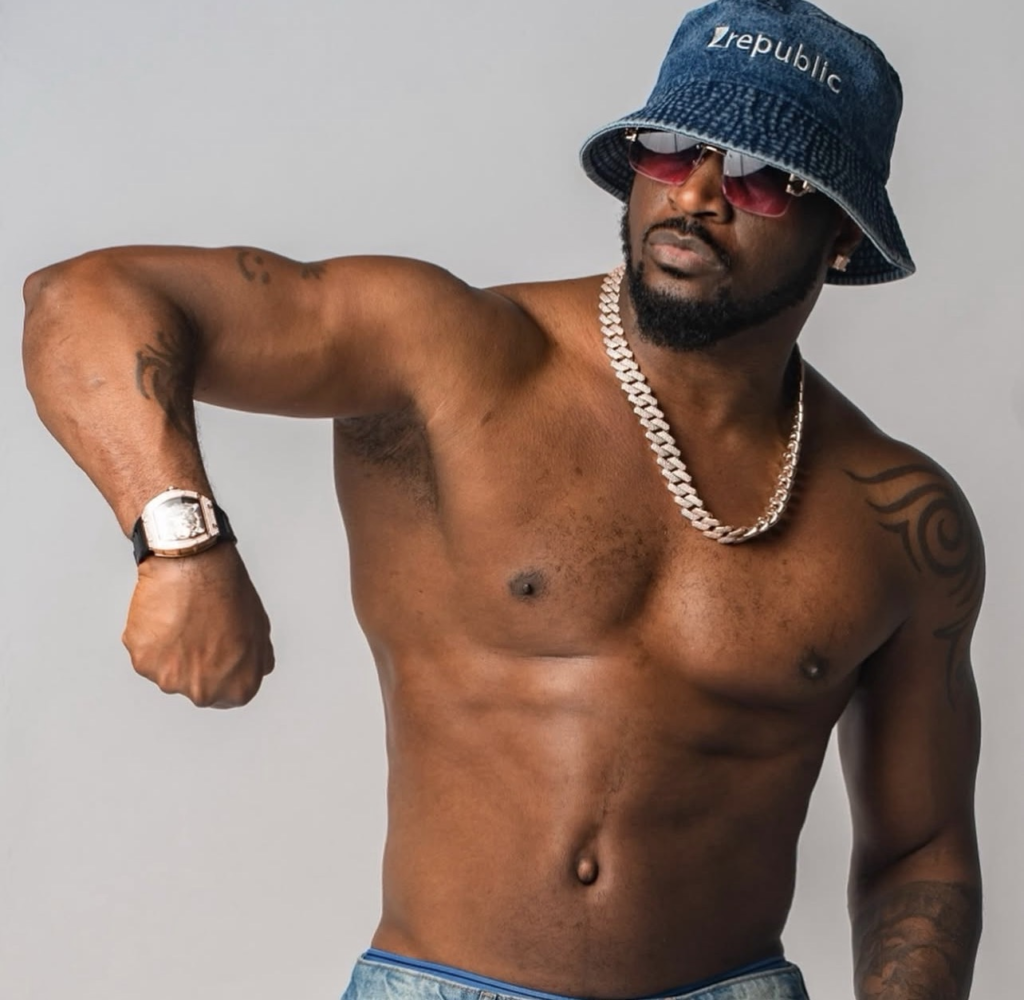
A major debate about culture, language, and parenting is taking over social media. Popular Nigerian singer Peter Okoye, widely known as Mr P from the famous music duo P-Square, sparked intense reactions after stating that indigenous Nigerian languages do not offer much practical benefit.
The controversial statement came during his vacation in Paris, France. After sharing how proud he felt watching his children speak French so fluently, a fan online asked if his kids could also speak Igbo. Peter Okoye fired back with a question that quickly went viral: “And who naija language help?”
The response immediately split public opinion. Thousands of fans, cultural commentators, and music lovers jumped into the conversation across different platforms. Some people defended his right as a parent to decide how he raises his children. Others pointed out what they saw as a major contradiction, given that Peter built a world-famous music career using Nigerian languages, Pidgin English, and local street slang.
At WhatsBuzzn, we keep a close eye on trending cultural moments that get people talking. This situation touches on deep questions about modern identity, economic survival, parenting choices, and cultural preservation. Let’s look closely at what happened, why the reaction was so strong, and what both sides of the argument tell us about modern society.
What Peter Okoye Actually Said on Social Media
The whole controversy started with a simple post on X (formerly Twitter). Peter Okoye expressed how much he enjoyed hearing his children speak French while spending time in Paris. He joked that watching them communicate so easily in French made him consider buying a home in the French capital.
Build Funnels, Email Lists & Sell Online With One Free Tool
Create funnels, send emails, and sell online using Systeme.io without paying for multiple tools.
Create Free AccountFree forever • No credit card • Beginner-friendly
A follower on the platform commented on the post, asking if the children were equally fluent in Igbo, which is Peter’s native language. Rather than brushing the question aside, the singer responded directly, questioning the practical value of indigenous Nigerian languages in today’s world.
As critics began commenting on his stance, Peter Okoye doubled down on his position through several follow-up posts. He told critics to “Mind Your Business” (MYB) and focus on their own lives. He pointed out that English remains the official language of Nigeria and argued that international languages like French open far more opportunities globally.
According to reports from major news platforms like Punch Newspapers, Peter Okoye also accused his critics of double standards. He claimed that many of the people criticizing him online would gladly relocate abroad or raise their own children in foreign countries if they had the money and opportunity to do so.
Why the Public Reaction Was So Intense
To understand why people reacted so strongly to his comments, you have to look at Peter Okoye’s history in the Nigerian music industry. As one half of P-Square, Peter became one of the most successful African artists of all time. Together with his twin brother Paul, they produced smash hits that dominated music charts across Africa and around the world.
A key part of P-Square’s sound was their natural mix of Nigerian languages, Nigerian Pidgin, and local expressions. Songs like Bizzy Body, Do Me, No One Like You, and Alingo drew their energy and relatable charm from Nigerian language and culture.
Because of this history, many fans felt his comments were a bit dismissive. They argued that it seemed unfair to claim local languages lack value after earning fame and wealth through music heavily influenced by those exact languages.
There is also an emotional side to the reaction. For millions of Nigerians at home and in the diaspora, local languages represent family ties, ancestral heritage, and personal identity. Hearing a famous public figure dismiss native languages as unhelpful felt like a blow to national pride.
The Practical Side of Peter Okoye’s Argument
Even though his words upset many people, some social media users stepped in to defend Peter Okoye’s core point. Looking at his statement from a purely practical or business angle, there are real-world facts that support his perspective.
English is Nigeria’s primary language for formal business. In Nigeria today, official government business, university lectures, legal proceedings, and corporate jobs are conducted almost exclusively in English. A person who speaks fluent English and an international language like French has a clear career advantage in international diplomacy, global trade, and cross-border commerce.
International languages open global doors. French is spoken in over 29 countries worldwide, including several neighbouring nations in West Africa like Benin, Togo, and Ivory Coast, as well as parts of Europe and Canada. For parents raising children in a globalized world, teaching them major international languages is seen as a way to prepare them for global opportunities.
Parenting decisions are private matters. Peter Okoye made a strong point when he reminded commentators that every family has the right to raise their children as they see fit. Parents naturally make choices based on what they believe will give their children the greatest path to success.
The Real Value of Native Languages Beyond Dollars and Cents
While practical advantages matter, reducing language strictly to its job market utility ignores what makes native languages so vital to human society. Native languages offer benefits that cannot always be measured in monetary terms.
1. Cultural Identity and Self-Awareness
Language is the primary carrier of a people’s history, wisdom, and core values. Indigenous languages contain unique proverbs, idioms, and concepts that simply cannot be translated into English without losing their original meaning. When children learn their native language, it gives them a grounded sense of who they are and where they come from.
2. Emotional and Family Connection
In many Nigerian households, grandparents and older relatives in rural areas feel most comfortable communicating in Igbo, Yoruba, Hausa, or other local tongues. Children who cannot speak or understand their native language often struggle to build deep, personal connections with older family members, creating an emotional distance within families.
3. Cognitive Development in Children
Scientific research on brain development shows that learning multiple languages early in life boosts mental flexibility, memory, and problem-solving skills. Children do not have to choose between a local language and a global one; young brains are capable of learning three or four languages at the same time without confusion.
How Indigenous Languages Power the Global Afrobeats Movement
Ironically, the global success of modern Nigerian music directly contradicts the idea that Nigerian languages offer no benefits. The current explosion of Afrobeats on the world stage is proof that indigenous language has huge commercial value.
Global superstars like Burna Boy, Wizkid, Davido, Asake, and Rema perform to sold-out arenas in London, New York, Paris, and Tokyo. Their songs feature heavy amounts of Yoruba, Igbo, Pidgin, and local slang. International listeners who do not speak a word of these languages stream the music billions of times because the language gives the sound its distinct rhythm, soul, and authenticity.
If these artists sang strictly in plain English, the music would lose much of the unique flavor that makes it stand out in the global music market. Local language turned Afrobeats from a regional sound into a multi-million dollar export industry, showing that cultural uniqueness can be a major economic advantage.
Digital Media and Technology: Keeping Languages Alive
We are living in an era where digital tools are changing how language is learned, preserved, and shared across borders. In the past, people worried that local languages would slowly fade away as modern life moved forward. Today, technology is actually helping bridge the gap.
Major language learning platforms are beginning to add indigenous African languages to their courses. Automated translation tools and speech recognition systems are making it easier for people around the world to interact with different dialects. You can explore how technology is transforming communication by reading our latest updates on Technology & AI.
At the same time, content creators across digital platforms are finding out that using local languages helps them build massive, loyal audiences. Skit makers, YouTubers, and podcasters who speak local dialects often enjoy higher engagement because their content feels genuine and relatable to viewers at home and in the diaspora. If you want to learn more about how creators turn video content into sustainable digital businesses, check out our guide on YouTube Automation.
Can Children Have Both Global Skills and Cultural Roots?
The debate surrounding Peter Okoye’s comments often makes it seem like parents must choose between teaching their children global languages or local ones. In reality, families do not have to make that trade-off.
Children have an incredible natural capacity to pick up languages during their early development years. A child can easily learn French at school, speak English in public settings, and speak Igbo, Yoruba, or Hausa at home with parents and relatives.
Raising multilingual children provides the best of both worlds. It gives kids the global competitiveness needed for international careers while keeping them rooted in their cultural identity. Rather than seeing local languages as a hindrance to global success, many modern families view them as an added superpower that enriches a child’s life.
Finding Middle Ground in a Modern World
The reaction to Peter Okoye’s posts highlights a tension that many families face today. As the world becomes more connected and people move across borders, finding a balance between global progress and cultural preservation becomes challenging.
Peter Okoye’s perspective comes from a place of wanting practical global advantages for his family. On the other hand, the public backlash comes from a genuine fear of losing rich cultural traditions that define who we are as a people. Both sides raise valid concerns that deserve thoughtful consideration rather than quick judgment.
Ultimately, language is more than just a tool for commerce; it is the heartbeat of community, art, and personal story. Protecting indigenous languages while embracing international opportunities ensures that future generations stay globally competitive without losing touch with their roots.
Build Funnels, Email Lists & Sell Online With One Free Tool
Create funnels, send emails, and sell online using Systeme.io without paying for multiple tools.
Create Free AccountFree forever • No credit card • Beginner-friendly
Frequently Asked Questions (FAQs)
What did Peter Okoye say about Nigerian languages?
Peter Okoye, known as Mr P, claimed on social media that indigenous Nigerian languages do not offer practical benefits. He defended his decision to focus on his children speaking French and English, asking “Who naija language help?”
Why did his comments cause so much controversy?
Many fans felt his statements were ironic and dismissive. Peter Okoye built a highly successful career as part of P-Square by singing in Nigerian languages and Pidgin English. Critics argued that local languages have significant cultural and financial value.
What is the official language of Nigeria?
English is the official language of Nigeria, used in government administration, formal education, national media, and law. However, Nigeria is home to over 500 indigenous languages, with Hausa, Yoruba, and Igbo being the three most widely spoken.
Can children learn local and international languages at the same time?
Yes, young children can learn multiple languages simultaneously without getting confused. Studies show that learning both native and international languages early in life improves memory, problem-solving abilities, and overall brain development.
How do native languages contribute to the music industry?
Native languages give genres like Afrobeats their distinct rhythm and cultural appeal. Major Nigerian artists use Yoruba, Igbo, Pidgin, and street slang in their lyrics, which has helped propel African music onto global charts and major international stages.
The discussion around language and identity is constantly evolving as our world becomes more interconnected. Whether you agree with Peter Okoye’s practical approach or feel strongly about preserving native heritage, conversations like these help us rethink what culture means in the modern era.
We love hearing your thoughts on trending stories like this one. Connect with us on our social media channels on Instagram, Facebook, and X (formerly Twitter). If you have feedback, news tips, or topics you would like us to cover, visit our Contact page and drop us a message.
How do you balance teaching your children global languages while keeping them connected to their native culture?
