
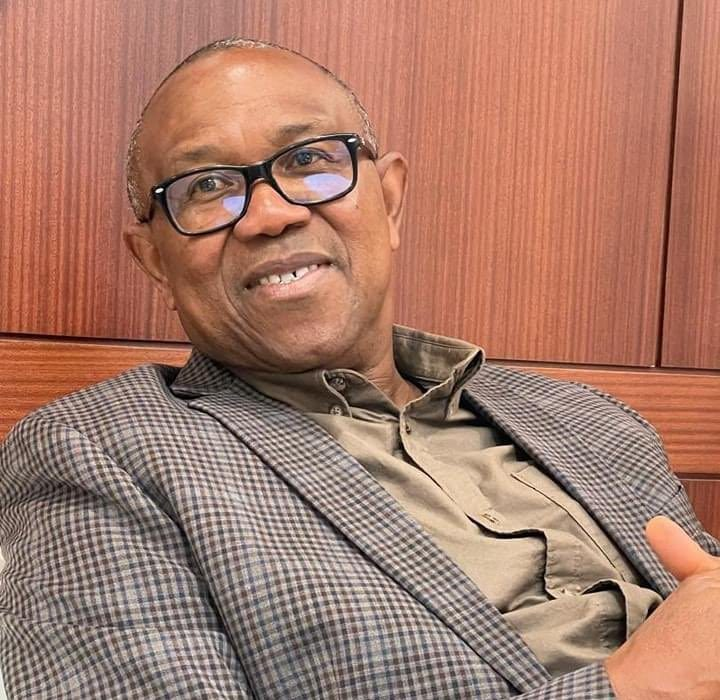
Former Anambra State governor and prominent political leader Peter Obi has once again captured national attention with a bold promise to the nation. Speaking on the state of the country and its pressing political future, Obi made it clear that bringing Nigerians together remains his top priority. He declared, “I will unite Nigeria, I know what it takes.”
This bold statement comes at a time when millions of people across the six geopolitical zones are feeling the heavy strain of high living costs, security threats, and political division. For many citizens, unity is not just a political slogan or campaign speech. It is an urgent requirement if the country hopes to solve its toughest social and economic problems.
At WhatsBuzzn, our goal is to break down these big national conversations so everyone can understand what is happening behind the headlines. When a major political figure claims they hold the practical blueprint for national unity, it is worth looking closely at what that actually means for the average person living in Lagos, Kano, Enugu, Port Harcourt, or Kaduna.
The Current State of Division in Nigeria
To understand why Obi’s words are causing so much discussion across traditional media and online platforms, we first need to look at how divided the country currently feels. Over the years, political rivalries, regional tensions, and religious differences have created deep fractures across society. When election seasons come around, these fault lines often become even wider as politicians play on group identities to secure votes.
Ordinary citizens face daily hardships that make these regional divisions feel much worse. High inflation rates, rising food prices, fuel price hikes, and widespread unemployment create massive frustration. When people struggle daily to feed their families and keep their businesses alive, it becomes easy for fear and distrust to take root. People often end up blaming other ethnic groups or regions for systemic failures that actually stem from poor governance and economic mismanagement.
Build Funnels, Email Lists & Sell Online With One Free Tool
Create funnels, send emails, and sell online using Systeme.io without paying for multiple tools.
Create Free AccountFree forever • No credit card • Beginner-friendly
Reports from major news outlets like Channels Television routinely highlight how security challenges—ranging from banditry and kidnapping in the North to secessionist agitation and oil theft in the South—further weaken the bond between the government and the people. When citizens do not feel safe traveling across state lines, the physical and emotional distance between different parts of the country grows wider every single day.
What Does Uniting Nigeria Actually Require?
Uniting a country of over 200 million people with more than 250 ethnic groups is no easy task. It takes far more than patriotic speeches, national anthems, or official promises. When Peter Obi says he knows what it takes, what practical steps is he actually referring to?
First, true unity requires equity and fairness in governance. For decades, many regions have complained about feeling left out of national decision-making and resource allocation. When people feel that federal appointments, major infrastructure projects, and economic opportunities are shared based on political favoritism rather than merit, bitterness grows. Fixing this requires transparent leadership that treats every citizen equally regardless of where they come from or what language they speak.
Second, unifying the country demands a complete shift in how the government handles public resources. When public funds are spent accountably and focused on human development—such as education, healthcare, and job creation—trust is restored. People start seeing the government as a helpful partner rather than an out-of-touch institution.
The Connection Between Economy and Unity
Peter Obi has constantly argued that Nigeria’s economic troubles are directly tied to its security and unity problems. In his frequent public addresses, he points out that hunger and poverty do not select their victims based on tribe or religion. A farmer in Kaduna dealing with high fertilizer prices faces the exact same economic pain as a trader in Aba dealing with rising transport costs.
By shifting the nation’s focus from sharing government oil allocations to productive enterprise, Obi believes Nigerians can find common ground. Every region in Nigeria possesses unique natural and human resources. The northern states boast vast arable land for agriculture, while the southern regions have immense commercial, maritime, and tech capabilities.
When young people across all regions have access to good jobs, vocational training, and business funding, they are far less likely to be drawn into violent conflict or tribal sentiment. Economic productivity creates a shared purpose that naturally binds people together across state borders.
In today’s digital era, young Nigerians are already using technology to create economic opportunities for themselves beyond geographical boundaries. Many are building global careers through online content creation, remote work, and digital platforms. If you want to learn how digital media is creating new avenues for financial independence, read our detailed guide on YouTube automation to see how young people are earning globally from home.
Character, Competence, and Capacity
Throughout his political journey, Obi has built his core message around three main qualities: character, competence, and capacity. He argues that Nigeria’s unity has been damaged because leaders were historically chosen based on ethnic quotas or political favors rather than their ability to deliver real results.
When incompetent people are placed in critical administrative positions, public institutions fail. Schools lack basic funding, healthcare systems collapse, roads deteriorate, and security agencies become overwhelmed. When basic institutions fail, citizens lose faith in the state and retreat into their tribal or religious identities for basic protection and survival.
By appointing competent individuals to key government positions—regardless of their state of origin or religious background—a leader proves that performance matters more than identity. This approach builds public confidence and shows that the administration belongs to everyone, not just a select political class or region.
Leveraging Technology and Innovation for Governance
Modern governance relies heavily on technology to reduce corruption, improve transparency, and bring citizens closer to their leaders. In a large country like Nigeria, digital infrastructure can help bridge the physical gap between rural communities and central authorities in Abuja.
When public records, tax collection systems, and government budgets are made visible online, citizens can hold their leaders accountable in real time. This level of transparency builds trust between the public and the state, which is essential for national unity and stability.
Technology also levels the playing field for young innovators across every corner of the nation. From fintech startups in Lagos to tech hubs in Jos, Kaduna, and Enugu, young Nigerians are proving that talent is evenly distributed across the nation. Staying updated on how advancements like artificial intelligence are reshaping global industries can give young people a competitive edge; explore our section on technology and AI to see how these tools are changing our local economy.
Tackling Insecurity as a Foundation for Peace
You cannot unite a nation where people live in constant fear for their lives, families, and property. Insecurity destroys social harmony, prevents internal trade, and stops farmers from working their fields, which directly drives up food prices for everyone across the nation.
Peter Obi’s framework for unity places national security at the very center. His proposed approach involves a combination of structural security reforms and root-cause economic solutions:
Community-Centered Policing
Securing local communities requires deep local knowledge. Equipping, training, and deploying security personnel who understand the geography, language, and culture of the specific areas they protect builds trust between law enforcement and residents.
Economic Opportunities for Youths
Unemployment and poverty are among the biggest drivers of crime and insurgency. By providing micro-grants, vocational training, and low-interest credit to young entrepreneurs, energetic youth are directed into productive work instead of crime.
Intelligence-Led Operations
Modern security relies on advanced technology and intelligence gathering rather than basic physical force alone. Investing in modern surveillance equipment, data tracking, drone technology, and fast communication tools helps security agencies prevent threats before they occur.
The Real Obstacles Standing in the Way
While the vision of a united Nigeria sounds promising, the path to achieving it is full of massive challenges. Entrenched political interests benefit directly from a divided nation. For decades, certain political actors have used ethnic and religious divisions as strategic tools to secure elections and retain political influence. Changing this deeply ingrained political culture will take time and persistence.
Another major obstacle is the widespread cynicism among the public. Decades of unfulfilled promises from past political leaders have left many Nigerians doubtful about real systemic change. Many citizens question whether any single leader can truly overcome the deep structural problems facing the nation.
Furthermore, false information and political propaganda spread rapidly across social media platforms. Unchecked rumors and hateful narratives can spark violence and inflame ethnic tension within minutes. Reversing this trend requires disciplined communication, responsible media usage, and continuous public education.
How Everyday Citizens Can Build Unity
Leadership at the top is crucial, but government alone cannot unite a country. The mindset, choices, and daily actions of ordinary citizens matter just as much. Unity is built in our daily conversations, our workplace interactions, and how we treat our neighbors regardless of where they come from.
Here are practical steps every Nigerian can take to build national unity:
- Reject ethnic profiling, tribal stereotyping, and hate speech in daily conversations and online discussions.
- Judge leaders and peers by their character, honesty, and competence rather than their state of origin or religion.
- Support local businesses, farm products, and services from different regions to build a stronger interconnected economy.
- Demand accountability and transparency from local and state representatives, not just central government officials.
- Promote peaceful dialogue, patience, and mutual respect whenever disagreements arise within local communities.
If you have thoughts on recent political developments or want to share your perspective with our editorial team, feel free to visit our contact page and get in touch with us.
You can also follow our active community updates and join the daily conversation on our social channels! Connect with us on Instagram, join the discussion on Facebook, or follow our real-time commentary on X (formerly Twitter).
Frequently Asked Questions
What did Peter Obi mean by saying he knows what it takes to unite Nigeria?
Peter Obi meant that he understands the root causes of division in Nigeria—such as economic inequality, bad governance, widespread insecurity, and systemic injustice—and has a practical plan focused on production, meritocracy, and equal opportunities to address them.
Build Funnels, Email Lists & Sell Online With One Free Tool
Create funnels, send emails, and sell online using Systeme.io without paying for multiple tools.
Create Free AccountFree forever • No credit card • Beginner-friendly
Can economic growth really reduce ethnic and religious tensions in Nigeria?
Yes. Much of the political and social tension in Nigeria is driven by fierce competition over scarce resources and economic hardship. When jobs are available, businesses thrive, and living standards improve, people are far less prone to being manipulated by divisive political narratives.
How does Peter Obi propose to handle national security?
His proposed approach combines strengthening law enforcement through better intelligence, modern equipment, and community involvement with economic empowerment programs that reduce poverty and give young people viable pathways to financial success.
Why is national unity so important for Nigeria’s future?
Without national unity, it is almost impossible to implement long-term economic policies, attract foreign direct investments, or guarantee public safety. Unity creates the social stability needed for sustainable economic growth and national progress.
What role do young people play in uniting Nigeria today?
Young Nigerians make up the vast majority of the population. Through technology, creative industries, cross-regional trade, and social activism, young people have the power to break down traditional tribal barriers and demand higher standards of governance from their leaders.
The Road Ahead for Nigeria
Uniting a country as diverse and complex as Nigeria is an ongoing journey that requires courage, clear vision, and unyielding commitment from both leaders and citizens. Peter Obi’s declaration that he knows what it takes has sparked an important national conversation about what true unity looks like in practice. It moves the debate away from mere campaign promises and forces everyone to examine the real factors—economic justice, security, merit-based leadership, and active citizenship—that hold a nation together. Whether through policy reforms or grassroots community efforts, building a prosperous and united Nigeria remains a collective responsibility that every citizen must share for the nation to reach its full potential.
For more context on Peter Obi’s perspective on national unity and addressing division in the country, you can watch Peter Obi on National Unity, which details his thoughts on overcoming national crises through collective action.
