
If you follow news across Nigeria, you know that safety is one of the biggest topics on everyone’s mind. From farmers working in their fields in the Middle Belt to traders traveling on interstate highways, people across the country want peace of mind when going about their daily lives.
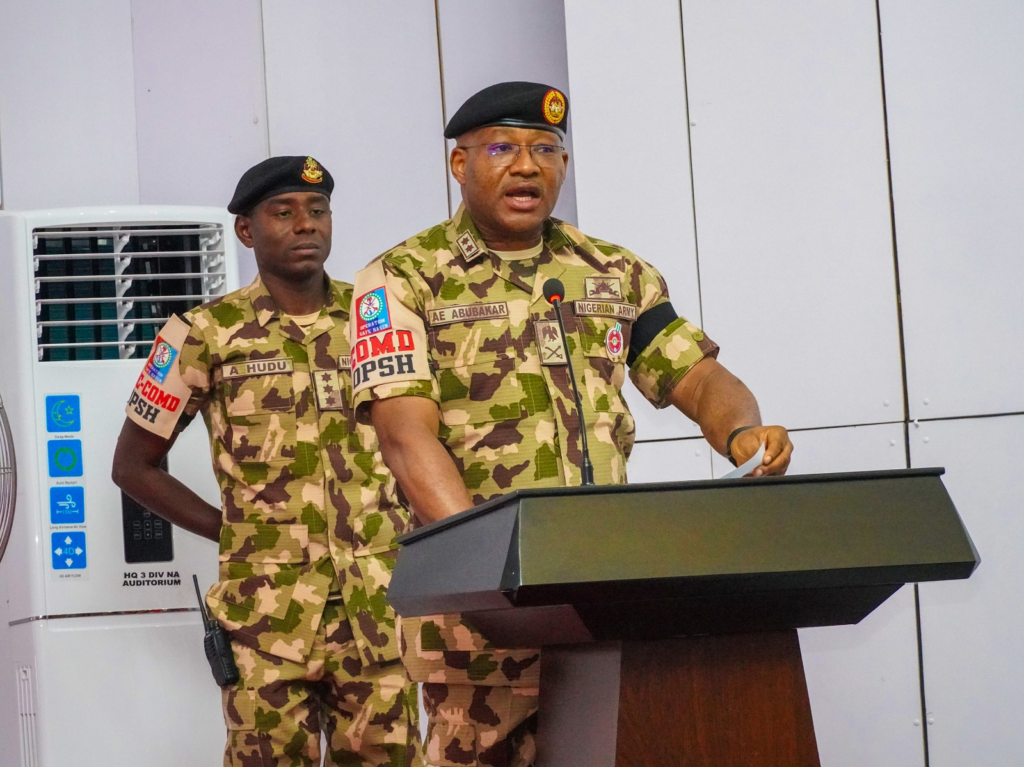
Recently, the federal government took a major step to address these security concerns head-on. President Bola Ahmed Tinubu approved the recruitment of 28,000 new soldiers into the Nigerian Army. Alongside this massive recruitment drive, the government is expanding the army’s overall command structure from eight to twelve divisions.
This move stands as one of the largest military expansions Nigeria has seen in recent years. It comes at a time when communities across different geopolitical zones are asking for quicker military responses and stronger protection against criminal threats.
At WhatsBuzzn, our goal is to bring you simple, clear explanations of major national events without confusing technical jargon or complex military terms. In this article, we break down what this recruitment drive means, why the army is expanding, where the new divisional headquarters will be, and how these changes could impact security in your local area.
Why Nigeria Needs 28,000 New Soldiers Right Now
Security challenges in Nigeria have grown increasingly complex over the past decade. The country faces different types of threats across various regions, making it difficult for a single, centralized force to cover every hot spot simultaneously.
Build Funnels, Email Lists & Sell Online With One Free Tool
Create funnels, send emails, and sell online using Systeme.io without paying for multiple tools.
Create Free AccountFree forever • No credit card • Beginner-friendly
In the North East, troops have spent over a decade fighting insurgent groups like Boko Haram and ISWAP. In the North West and North Central regions, armed gangs known locally as bandits have raided rural villages, disrupted farming, and carried out kidnappings for ransom. Down in the South East, illegal armed groups and enforcement of unauthorized stay-at-home orders have created fear in major commercial towns. Meanwhile, in the South South, oil theft and illegal bunkering continue to threaten national economic resources.
When you look at the geographic scale of Nigeria, the need for more personnel becomes obvious. Nigeria covers over 923,000 square kilometers of land mass. Trying to patrol dense forest reserves, secure thousands of kilometers of interstate roads, guard international borders, and protect residential cities requires massive manpower.
Security analysts have repeatedly noted that Nigerian troops were simply spread too thin. Soldiers were frequently redeployed from one crisis zone to another without adequate rest, leading to operational fatigue.
Adding 28,000 new soldiers gives the Nigerian Army much-needed operational depth. It allows military commanders to place more troops on permanent patrol in vulnerable rural communities while giving existing officers better rotation schedules.
According to reports by major international outlets like Africanews, this move is part of a nationwide strategy to rebuild public confidence and reclaim spaces currently threatened by criminal networks.
Inside the Army Expansion: Moving from 8 to 12 Divisions
Recruiting thousands of fresh troops is only one part of the puzzle. To make sure these new soldiers are managed properly, the federal government is completely updating how the Nigerian Army structures its leadership across the country.
Previously, the Nigerian Army operated through eight main divisions. President Tinubu approved expanding that framework to twelve divisions.
To understand why this matters, think of a massive company with millions of customers. If that company tries to run everything from just a few regional branches, customer requests take weeks to process. But if the company opens four extra regional offices closer to the customers, managers can make quick decisions and send support immediately when problems arise.
That is exactly what expanding to twelve army divisions aims to achieve for national defense. It decentralizes command, speeds up decision-making, and brings military leadership closer to frontline areas.
The Four New Division Headquarters
The four newly established divisions are strategically positioned in areas that have experienced heavy security pressure:
- 5 Division Headquarters in Makurdi (Benue State): Oversees operations in Benue, Nasarawa, and Kogi states. This region has witnessed recurring farmer-herder conflicts and communal violence. Having a division headquarters in Makurdi allows quick military deployment to protect rural farming communities.
- 9 Division Headquarters in Ilorin (Kwara State): Covers Kwara and Niger states. Niger State is the largest state in Nigeria by land area, featuring vast forest reserves where bandit groups have previously hidden. This division focuses on securing those vast internal forest corridors.
- 10 Division Headquarters in Jalingo (Taraba State): Covers Taraba and Adamawa states. Positioned near the eastern border, this division strengthens border security and cuts off cross-border criminal movements.
- 83 Division Headquarters in Benin City (Edo State): Oversees Edo, Delta, and Bayelsa states. This division targets waterway security, oil infrastructure protection, and crime prevention across the Niger Delta region.
The Full 12-Division Map Across Nigeria
To give you a clear picture of how the entire Nigerian Army is organized today, here is the complete breakdown of all twelve divisions:
- 1 Division (Headquarters in Kaduna): Covers Kaduna, Kano, Katsina, and Jigawa states.
- 2 Division (Headquarters in Ibadan): Covers Oyo, Osun, Ekiti, and Ondo states.
- 3 Division (Headquarters in Jos): Covers Plateau, Bauchi, and Gombe states.
- 5 Division (Headquarters in Makurdi): Covers Benue, Nasarawa, and Kogi states.
- 6 Division (Headquarters in Port Harcourt): Covers Rivers, Akwa Ibom, and Cross River states.
- 7 Division (Headquarters in Maiduguri): Covers Borno and Yobe states.
- 8 Division (Headquarters in Sokoto): Covers Sokoto, Kebbi, and Zamfara states.
- 9 Division (Headquarters in Ilorin): Covers Kwara and Niger states.
- 10 Division (Headquarters in Jalingo): Covers Taraba and Adamawa states.
- 81 Division (Headquarters in Lagos): Covers Lagos and Ogun states.
- 82 Division (Headquarters in Enugu): Covers Enugu, Anambra, Abia, Ebonyi, and Imo states.
- 83 Division (Headquarters in Benin City): Covers Edo, Delta, and Bayelsa states.
This updated structure ensures that every state falls under a clear divisional command, reducing gaps in operational response.
Where Will These 28,000 Soldiers Be Trained?
Training 28,000 new recruits requires significant physical infrastructure. You need shooting ranges, tactical drill fields, accommodation blocks, medical centers, and classrooms to teach military law and human rights standards.
To accommodate this large intake of recruits, the Nigerian Army opened a brand-new training depot in Amasiri-Edda, located in Ebonyi State. This newly established facility becomes the third official recruit training depot for the Nigerian Army, joining established training bases like the ones in Zaria.
During press briefings leading up to the Nigerian Army Day Celebration (NADCEL), Chief of Army Staff Lieutenant General Waidi Shaibu explained that expanding recruitment capacity goes hand-in-hand with building better training facilities. The goal is to ensure that recruits receive comprehensive physical, tactical, and moral training before they are posted to field operations.
“Manpower is just as important as the equipment needed to combat insecurity. By expanding our training scope with a third depot, we are building a stronger, more capable military force ready to protect citizens nationwide.”
Focus on Troop Welfare and Compensation
In addition to physical recruitment, official policy updates emphasize troop welfare under what the military calls its “Soldier First” framework.
In past years, low morale and inadequate compensation were frequently highlighted as challenges facing front-line personnel. To address this, recent federal policy changes have boosted entry-level pay for recruits, with reports confirming that minimum basic allowances for junior soldiers have been adjusted upwards alongside investments in barracks renovation and medical support.
When soldiers know that their personal welfare and families are well supported, they can perform their duties in high-risk zones with greater confidence and dedication.
How Technology and Modern Warfare Fit Into the Plan
Numbers alone do not win modern security engagements. Having 28,000 extra soldiers is a massive help, but those soldiers need tools to spot threats before attacks happen.
That is why the government’s expansion strategy connects new personnel with technological upgrades. The Nigerian military continues to acquire surveillance drones, armored troop carriers, night-vision equipment, and secure satellite communications systems.
Drones, for example, play a huge role in scouting difficult terrain like thick forests and rocky hills without putting human lives at risk unnecessarily. When a drone spots an illegal camp or an ambush point, ground commanders can plan precise responses rather than walking blindly into danger.
If you are interested in learning more about how modern technology and artificial intelligence are transforming different industries across the globe, take a look at our Technology and AI category for clear, everyday breakdowns.
Combining well-trained boots on the ground with smart surveillance tools gives security forces a real advantage over criminal groups that rely on stealth and surprise.
What This Big Recruitment Means for Young Nigerians and Job Seekers
Unemployment remains a pressing issue for many young adults across Nigeria. For young men and women looking for steady employment and a way to serve their country, this recruitment drive offers a significant opening.
Serving in the military is a serious commitment that requires discipline, sacrifice, and courage. At the same time, it provides stable monthly pay, medical coverage, technical skill development, and long-term career pathways in fields ranging from engineering and logistics to communications and medical care.
Basic Requirements for Interested Applicants
While detailed guidelines are released through official recruitment portals during application windows, general requirements for regular recruit intakes typically include:
Build Funnels, Email Lists & Sell Online With One Free Tool
Create funnels, send emails, and sell online using Systeme.io without paying for multiple tools.
Create Free AccountFree forever • No credit card • Beginner-friendly
- Nationality and Identification: Applicants must be Nigerian citizens by birth and hold a valid National Identification Number (NIN).
- Age Limits: Candidates generally need to be between 18 and 22 years old for non-tradesmen/women, or up to 26 years old for skilled tradesmen/women.
- Educational Qualifications: A minimum of four or five credits in WASSCE, NECO, or NABTEB, including English Language.
- Physical Fitness: Applicants must pass physical tests, including height checks, running tests, and general medical screenings.
- Character Standard: Candidates must have no criminal record or pending legal prosecutions.
Many young content creators and educators use digital platforms to share tips on how applicants can prepare physically and mentally for military screenings. If you want to explore how people build successful digital channels sharing news and career guidance, check out our guide on YouTube Automation to see how online creators share valuable information with wide audiences.
The Role of Citizens and Local Communities
While adding 28,000 soldiers and building four new division headquarters are huge developments, military forces cannot maintain peace entirely on their own. Security works best when local communities and military units trust each other.
Criminal groups, bandits, and kidnappers rely heavily on local geography and sometimes attempt to blend into host communities. When everyday citizens notice suspicious activities and share timely information with local security posts, soldiers can act before crimes occur.
The Nigeria Governors’ Forum (NGF) recently released a statement supporting the recruitment of 28,000 soldiers and the creation of the four new divisions. State governors pledged to work alongside federal military leaders to support operations at the state and local council levels.
At the same time, state leaders urged citizens to support military personnel by sharing credible intelligence and refusing to aid criminal elements. Simple actions like reporting unknown gatherings in forest areas or unusual movements along quiet roads can save lives.
Frequently Asked Questions (FAQs)
How many new soldiers is Nigeria recruiting in 2026?
The federal government has approved the recruitment and training of 28,000 additional soldiers for the Nigerian Army to help tackle insecurity across the country.
Where are the four new Nigerian Army division headquarters located?
The newly created divisions have their headquarters in Makurdi (Benue State), Ilorin (Kwara State), Jalingo (Taraba State), and Benin City (Edo State).
Why is the Nigerian Army expanding from 8 to 12 divisions?
Expanding to 12 divisions helps decentralize command, shortens military response times during emergencies, improves border security, and provides direct oversight in areas facing heavy security challenges.
Where is the new recruit training depot located?
The Nigerian Army established a new recruit training depot in Amasiri-Edda, Ebonyi State. This serves as the third official recruit training facility for the army.
How can ordinary citizens support ongoing security efforts?
Citizens can support security agencies by sharing timely and accurate information about suspicious movements, avoiding the spread of unverified rumors on social media, and cooperating with security officers during routine checks.
Final Thoughts
The decision to recruit 28,000 soldiers and expand the Nigerian Army to twelve divisions marks a major step forward in addressing security challenges nationwide. By putting more personnel in the field, establishing localized command headquarters, and improving troop welfare, the government aims to create safer environments for businesses, farmers, and families.
Building long-lasting safety takes time, continuous effort, and cooperation between the military and the public. As these new recruits complete their training and take up their posts, communities across Nigeria hope to see quieter highways, protected farmlands, and greater overall stability.
To learn more about what we do, visit our About page or feel free to reach out directly through our Contact page.
Stay connected with our community on social media for regular updates and trending news:
- Connect with us on Instagram
- Join our community on Facebook
- Follow our latest posts on X (formerly Twitter)
