
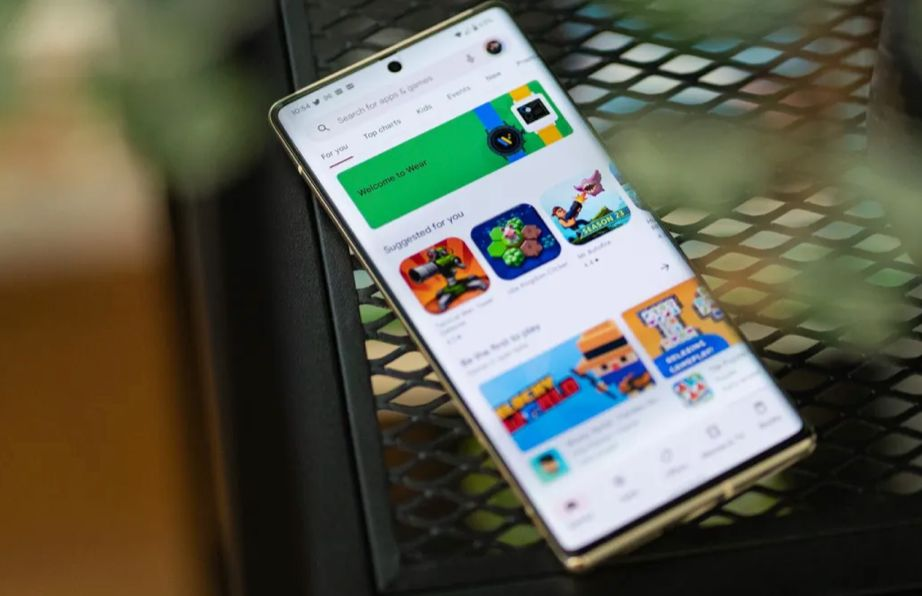
Moving from one smartphone operating system to another used to feel like a full-time job. For years, anyone wanting to swap their iPhone for an Android device faced a massive headache. You had to manually re-enter Wi-Fi passwords, redownload dozens of apps, rebuild contact lists, and hope your family photos did not vanish during the move.
Google is tackling this problem head-on. The company has introduced major upgrades to its data migration process, making the leap from iOS to Android simpler, faster, and far less stressful.
Today, moving your digital life across the fence is no longer a complicated chore. From moving your cellular eSIM line to transferring your saved passwords and passkeys, Google has smoothed out almost every frustrating obstacle.
At WhatsBuzzN, we love keeping you informed on tech trends that make daily life easier. If you want to keep up with the latest digital breakthroughs, feel free to check out our Technology & AI category. Now, let us break down how Google is changing the game for iPhone switchers.
The Lock-In Problem: Why Leaving iOS Was So Difficult
Tech companies love keeping users inside their digital ecosystems. Apple built a notoriously tight ecosystem where every service—from iMessage to iCloud photo storage—worked seamlessly with other Apple hardware.
Build Funnels, Email Lists & Sell Online With One Free Tool
Create funnels, send emails, and sell online using Systeme.io without paying for multiple tools.
Create Free AccountFree forever • No credit card • Beginner-friendly
Breaking out of that ecosystem felt intimidating. People stayed on iPhones not always because they loved every new device, but because the effort of leaving was simply too high.
The biggest pain point was never just moving photos or contacts. It was identity and convenience. Losing saved passwords meant manually resetting dozens of online accounts. Losing Wi-Fi network keys meant asking friends and family for passwords you saved years ago. Moving phone service often required trips to carrier stores or long phone calls with customer support.
On top of that, text messages often broke during the switch. Group chats would fall apart, leaving former iPhone users stranded without a clear way to stay in touch with friends.
Google recognized that winning over long-time iPhone owners required more than just fancy camera features or fast chips. It needed to fix the boring, frustrating setup process where switching decisions actually happen.
What Google Upgraded in the Switching Process
Google’s latest data transfer upgrades fundamentally change how your information moves between phones.
Instead of relying on basic file copying, the updated Android migration experience handles deep system data. When setting up a new Android phone, you can now transfer your Google Accounts, saved passwords, passkeys, Wi-Fi network credentials, and eSIM profiles directly.
Photos, videos, text messages, contacts, and calendar events still transfer as before, but now your login credentials and daily settings go along for the ride.
The transfer can happen completely wirelessly using a simple QR code scan, or through a direct cable connection for maximum transfer speed.
Government regulations played an important role in this shift as well. European rules like the Digital Markets Act forced major tech platforms to open up data portability and reduce system lock-in. As a result, both Apple and Google have been forced to build simpler, built-in migration options that give users total control over their personal files.
A Closer Look at What Moves Over Automatically
Understanding what actually transfers gives you peace of mind before making the jump. Here is what you can expect when moving to a modern Android device.
Saved Passwords and Passkeys
Re-entering passwords for dozens of applications is easily one of the worst parts of getting a new phone. With the upgraded setup process, saved passwords and passkeys transfer over securely. This keeps your logins intact so you do not spend your first evening clicking reset password links.
eSIM and Cellular Service
Moving physical SIM cards was always simple, but digital eSIMs brought new challenges. Google worked directly to simplify eSIM transfers during initial device setup. Your mobile plan can now transition across operating systems without needing an in-person visit to your network provider.
Wi-Fi Credentials and Network Settings
Connecting automatically to home, office, or family Wi-Fi networks is something you only notice when it stops working. The updated transfer process copies your saved Wi-Fi networks directly to your new Android device, saving you time and effort.
Messages, Contacts, and Calendars
Your entire contact list, upcoming calendar appointments, and historic text messages transfer over during initial setup. This keeps your personal and professional communication history right where you expect it.
Photos and Media Files
High-resolution photos and stored videos copy over smoothly. For photos stored inside Apple iCloud, Google offers a straightforward web tool that syncs your full photo library directly into Google Photos.
How the Setup Process Works Step-by-Step
Setting up a new Android phone is designed to be completely straightforward. Here is how simple the process has become:
- Step 1: Turn on your new Android device and select your preferred language.
- Step 2: When prompted to copy data from an existing device, tap the option for iPhone or iPad.
- Step 3: A QR code will appear on your Android screen. Open the camera app on your iPhone and scan the code to pair both devices wirelessly.
- Step 4: If you prefer, connect both devices using your existing phone charging cable for faster transfers.
- Step 5: Select the categories of data you wish to move, including photos, messages, apps, passwords, and eSIM profiles.
- Step 6: Tap copy and let the system run. You can continue setting up basic phone settings while data moves quietly in the background.
What if you already completed initial setup before transferring your data? On newer devices like the Google Pixel series, Google allows you to run the official Android Switch app on Google Play anytime after setup. You no longer have to perform a factory reset just to bring old files across.
Overcoming the Texting Dilemma: RCS and WhatsApp
For years, messaging was the single biggest friction point for people leaving Apple devices. The green bubble issue created broken group texts, blurry video sharing, and missing read receipts.
That frustration is disappearing quickly. With the widespread adoption of Rich Communication Services (RCS) across major operating systems, cross-platform texting works much better. You get high-resolution media sharing, typing indicators, and reliable group messaging even when texting friends on iPhones.
For people who rely heavily on WhatsApp, Google and Meta have streamlined chat migration. During setup, your phone prompts you to transfer your WhatsApp history. Scanning a quick QR code inside WhatsApp on your old iPhone transfers your chat history, voice messages, photos, and attached documents without missing a beat.
If you produce content online or manage digital media channels, keeping up with smartphone tools and software is vital. Creators looking into automated video channels and tech content can explore our YouTube Automation category for practical guides and strategies.
What Happens to Your Favorite Apps?
A common question people ask before switching is whether their daily apps will still be available.
Nearly every major application exists on both the Apple App Store and the Google Play Store. During setup, Android scans the free apps installed on your iPhone and automatically downloads their Android versions.
For paid apps or subscription services like Netflix, Spotify, or mobile banking, you simply download the app on your new device and sign in with your account details. Your existing subscription carries over automatically without requiring extra purchases.
If you ever need specific technical guidance on managing Android apps or device settings, you can consult official resource pages like the Google Play Help Center or official news coverage on MacRumors tech updates.
Healthy Competition Benefits Everyone
Global regulatory shifts and tech innovation are working together in favor of everyday users. Governments have increasingly pushed technology companies to build open systems where customers are not locked down by technical barriers.
Features like standard USB-C charging ports, unbundled app stores, and simplified data transfers mean phone manufacturers must win your business through quality rather than lock-in.
Build Funnels, Email Lists & Sell Online With One Free Tool
Create funnels, send emails, and sell online using Systeme.io without paying for multiple tools.
Create Free AccountFree forever • No credit card • Beginner-friendly
When switching devices is simple, consumers gain total freedom. You can choose a phone based on battery life, camera quality, AI features, or screen design without worrying about losing your digital identity.
Is It Time to Try Something New?
Deciding whether to switch comes down to personal choice and what features matter most to you.
Android provides incredible freedom, flexible multitasking, and deep integration with modern AI tools. You can select from compact smartphones, flagship camera devices, budget devices, or foldable screens.
Because data transfer tools are smarter than ever, the effort required to switch has dropped significantly. You no longer need to spend hours setting up accounts or re-entering personal data.
If you want to read more about cutting-edge smartphone features and digital tools, feel free to dive into our updates in the WhatsBuzzN Technology & AI category.
Frequently Asked Questions (FAQs)
Can I transfer my saved passwords from iPhone to Android?
Yes. Google’s updated switching tools allow saved passwords and passkeys to copy directly over to your new Android device during setup, keeping your account access intact.
Will I lose my WhatsApp chat history when moving from iPhone to Android?
No. During device setup, you will see an option to transfer WhatsApp data. By scanning an on-screen QR code with your old iPhone, your complete chat history, photos, and voice notes move over seamlessly.
Does switching to Android transfer my eSIM automatically?
Yes. On supported carriers and devices, the updated setup experience helps you move your cellular eSIM line wirelessly without needing a physical SIM card or extra store visits.
What if I already finished setting up my new Android phone?
On newer Android devices, you can run the data transfer tool anytime after setup, allowing you to copy over files and apps without resetting your phone back to factory settings.
Do I need a cable to transfer my data from iPhone to Android?
No. You can perform the transfer completely wirelessly using a QR code scan. However, using a cable connection is still available if you prefer faster transfer speeds for large media libraries.
How do I move my iCloud photos to Google Photos?
Photos stored directly on your iPhone move during regular setup. For photos stored inside Apple iCloud, you can use Apple’s privacy transfer settings to sync your entire library directly to Google Photos.
Stay Connected With WhatsBuzzN
Smartphone switching used to feel like a massive headache, but Google has turned it into a smooth and painless experience. By addressing passwords, Wi-Fi credentials, eSIM profiles, and messaging history, the barriers between phone platforms are officially coming down.
At WhatsBuzzN, our mission is to bring you clear, engaging, and accessible stories on trending global news, technology, and lifestyle topics. You can learn more about our story and mission on our About WhatsBuzzN page. If you have questions, feedback, or story suggestions, reach out through our WhatsBuzzN Contact page.
Be sure to follow our official social media channels to stay up to date on trending tech stories and viral news:
- Follow our community on Facebook
- See our latest updates on Instagram
- Join the conversation on X (formerly Twitter)
