
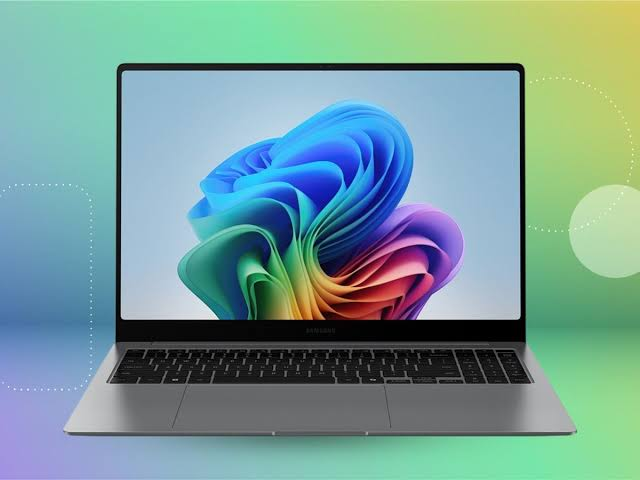
Have you ever tried working on your laptop outside on a bright, sunny afternoon? You sit down with a refreshing drink, open up your computer, and suddenly realize you cannot see a single thing on the display. The bright sun turns your premium screen into a dark mirror, showing nothing but your own reflection. You are forced to squint your eyes, tilt the screen at strange angles, or give up entirely and rush back indoors.
It is a common struggle that almost every laptop user faces. Portable screens have historically had a very difficult time fighting against natural outdoor glare. But a massive technological change has finally arrived to fix this issue once and for all.
Samsung Display has officially announced a groundbreaking upgrade for premium laptop computers. They have started mass-producing a brand-new type of laptop screen that solves two of the biggest historic problems with modern displays: low outdoor brightness and short overall lifespan. This newly engineered screen can hit a peak brightness of 1,600 nits. Even better, it is physically designed to last more than twice as long as the older screens it is replacing.
At Whatsbuzzn, we love keeping track of these major technology shifts because they directly change how we live, work, study, and create digital content every single day. You can read all about our passion for sharing stories that matter on our about page. Let us take a simple, clear, and comprehensive look at how Samsung achieved this technical breakthrough and what it means for your next computer purchase.
What Exactly is a Nit and Why Does 1,600 Matter?
To fully understand why this announcement is creating waves across the tech industry, we first need to understand how screen brightness is measured. In the computer and television world, display brightness is calculated using a unit called “nits.”
Build Funnels, Email Lists & Sell Online With One Free Tool
Create funnels, send emails, and sell online using Systeme.io without paying for multiple tools.
Create Free AccountFree forever • No credit card • Beginner-friendly
To keep things as simple as possible, think of one single nit as the exact amount of light given off by one ordinary wax candle. If a laptop screen has a maximum brightness rating of 300 nits, it means the display shines as bright as 300 candles gathered together in a small square space.
Most average office laptops and budget computers feature screens that range anywhere between 250 and 350 nits. This level of brightness is perfectly adequate when you are sitting in a dim room, a classroom, or a standard office building with basic artificial ceiling lights. However, the moment you step outside into nature or sit directly next to a large open window on a clear day, daylight easily overpowers that level of light. The screen looks completely washed out because the ambient light around you is far stronger than the candles inside your screen.
Before this major new announcement from Samsung, even the absolute best organic light-emitting diode (OLED) screens found on top-tier premium laptops usually maxed out around 1,100 nits of peak brightness. While 1,100 nits was already a massive step up from cheap office laptops, it still fell short during intense summer days or under direct sunlight.
Samsung’s new design jumps all the way up to a peak level of 1,600 nits. This represents an incredible increase of more than 40 percent in maximum brightness performance.
With 1,600 nits of power at its disposal, the laptop screen becomes a powerhouse capable of fighting back against the sun. You can sit comfortably at an outdoor cafe, type up notes in a public park, or work under heavy studio photography lights without losing a single bit of picture clarity. The text stays perfectly sharp, the colors remain deep and rich, and you no longer have to strain your eyes just to read your daily emails or watch a video clip.
The Secret Tech: Stacking Two Screens in One
You might be wondering how Samsung managed to make a laptop display so much brighter without causing the computer to overheat, melt, or drain its battery in less than an hour. After all, forcing tiny pixels to shine brighter usually requires a massive amount of extra power. The secret behind this achievement lies in a brilliant piece of engineering called “tandem OLED” architecture.
To understand how tandem technology works, we have to look at how older, traditional OLED screens are built. Standard OLED laptop displays use a single, thin layer of organic material to generate light. When a user wants the screen to get brighter, the laptop must pump a higher amount of electrical current directly into that single layer. The harder you push that single layer, the more stress it experiences, the hotter it gets, and the faster the organic materials begin to break down over time.
Samsung’s tandem design completely changes this layout by stacking two separate organic light-emitting layers directly on top of each other within the same panel. Instead of relying on one single layer to do 100 percent of the heavy lifting, the display splits the entire workload equally between two layers working together.
Imagine trying to push a heavy wooden box across a large room completely by yourself. You have to work incredibly hard, you get tired within minutes, and you put a lot of painful stress on your body. Now, imagine a close friend steps in to help you push that exact same box. Together, the two of you can move the box much faster and further, but neither of you has to strain your muscles nearly as hard because the work is divided.
That is exactly how a tandem OLED screen operates. Because the two stacked organic layers work as a unified team, they can generate massive, blinding amounts of brightness without needing a dangerous or unstable amount of electricity pumped into the system. This allows the laptop panel to hit record-breaking brightness levels safely, smoothly, and with incredible energy efficiency.
The Lifespan Leap: Doubling the Longevity of OLED
For many years, a lot of everyday computer buyers and business professionals hesitated to purchase laptops equipped with OLED screens, despite how beautiful they looked in stores. The primary reason for this hesitation was a notorious display issue known as “screen burn-in.”
Burn-in occurs when a digital display shows the exact same static, unchanging image for hours and hours at a time. Think about how you use a laptop: the Windows taskbar sits permanently at the bottom of your screen, the Apple menu bar stays at the very top, and your web browser buttons never move. Over months and years of daily use, the specific organic pixels responsible for showing those permanent menu items are forced to work much harder than the surrounding pixels that display moving videos or changing backgrounds. Eventually, those hard-working pixels wear out faster, leaving a permanent, faint “ghost image” stained onto the background of the screen.
Because laptops are built heavily for productivity, writing, and spreadsheets, static menus are absolutely everywhere. This meant traditional laptop OLED screens faced a much higher risk of wearing out early compared to household televisions or smartphones, which constantly show moving movies, games, and rapidly shifting apps.
Samsung’s new tandem design targets this exact structural weakness. Because the electrical workload is shared between two distinct organic layers, the physical stress and heat placed on each individual layer drop significantly.
Samsung has officially stated that under typical, everyday laptop operating conditions, this new tandem panel will last more than twice as long as a conventional single-layer OLED screen before showing signs of degradation.
This massive extension in lifespan changes the math for everyday consumers. When you spend a premium amount of hard-earned money on a top-tier laptop, you want that machine to last for four, five, or six years without the screen losing its beautiful color accuracy or developing ugly ghost marks. This new engineering ensures that your technology investment stays protected and looking brand new for the long haul.
Breaking Down the New VESA True Black 1400 Certification
This new screen technology does not just sound good in corporate press releases; it has official, independent industry certifications to prove its claims. Samsung’s new laptop panels are the very first commercial displays in the world to successfully meet a strict new quality standard called VESA DisplayHDR True Black 1400.
The Video Electronics Standards Association (VESA) is an international group of experts that sets strict rules for digital displays. They test screens in high-tech labs to make sure tech companies are telling the truth about their performance numbers. VESA recently created the elite “True Black 1400” tier because display technology has finally progressed to brightness levels that were completely impossible just a few short years ago.
To pass this incredibly difficult test, a laptop screen must successfully achieve two contradictory things at the exact same time:
- It must reach a peak brightness of at least 1,400 nits when displaying bright highlights.
- It must maintain near-perfect, deep black levels measuring a minuscule 0.0005 nits or lower.
Standard budget screens usually create dark colors by attempting to block a bright, solid back-light that shines behind the screen. This often leaves dark areas looking slightly gray, milky, or washed out. OLED screens, on the other hand, can completely turn off individual pixels one by one, creating a true, pitch-black dark zone.
By combining these perfectly dark black zones with an elite 1,600-nit peak brightness capability, the contrast ratio on these new laptops is jaw-dropping. Bright objects like sunbeams in a movie, explosions in a video game, or sharp white text against a dark background pop off the screen with lifelike realism without causing any distracting light to bleed into the dark areas surrounding them.
For those who love staying ahead of the curve regarding the latest computer upgrades, display innovations, and consumer gadgets, we follow these major industry milestones closely in our technology and AI section.
Real-World Impact: Who Benefits the Most From This Upgrade?
A major screen upgrade like this sounds amazing on paper, but how does it actually change the real, everyday lives of normal people? Let us break down a few different groups of users who will notice the biggest difference the moment they open one of these new laptops.
Remote Workers and Digital Nomads
If you work from home, frequent local coffee shops, or travel the world while working online, flexibility is your absolute top priority. You do not want to be trapped inside a dark room with the curtains drawn just because your laptop screen cannot handle a little bit of natural light. With a 1,600-nit panel, your choice of workspace expands immensely. You can work comfortably on outdoor patios, hotel balconies, or directly next to sunny windows without dealing with frustrating glare, mirror effects, or reflections.
Digital Content Creators and Editors
Video editors, photo retouchers, and graphic designers must know that the colors they see on their screens match real life perfectly. Traditional screens often shift their color balance or lose accuracy when pushed to their absolute maximum brightness limits. Samsung’s use of newly developed organic materials ensures that the screen remains incredibly stable and color-accurate, even when shining at full blast. This means professional creators can edit high-dynamic-range (HDR) videos confidently, knowing exactly how the final footage will look on premium living room televisions and cinema screens.
If you are currently building a modern online business, managing creative media projects, or exploring automated content production models like the ones we detail over on our YouTube automation hub, having a highly accurate, ultra-bright, and long-lasting display is a game-changer for editing clean, professional content without eye fatigue.
Movie Fans and Gamers
If you primarily use your laptop to relax, watch streaming series, or play high-end games, this screen offers a true commercial theater experience inside a compact, portable device. Modern films are mastered with incredible variations between shadow and light. When you watch a high-quality film on this tandem panel, the small details hidden inside dark nighttime scenes remain perfectly visible, while bright sunny skies look blindingly authentic. Gamers will also benefit from the instantaneous response times that OLED screens are famous for, combined with an extra visual punch that makes virtual worlds look stunningly real.
Build Funnels, Email Lists & Sell Online With One Free Tool
Create funnels, send emails, and sell online using Systeme.io without paying for multiple tools.
Create Free AccountFree forever • No credit card • Beginner-friendly
Which Laptops Are Getting This Next-Gen Screen First?
The good news is that you will not have to wait years to see this next-generation technology out in the real consumer world. Samsung Display has already kicked off full-scale production and is actively shipping these premium panels to top computer manufacturers worldwide.
The very first laptop on the consumer market to carry this certified screen is Lenovo’s highly anticipated Yoga Pro 9i Aura Edition. It features a large, gorgeous 16-inch display that has already officially claimed its VESA True Black 1400 badge of honor. Early hands-on testing shows that the screen offers unparalleled visual depth and completely transforms how users interact with their apps when working outside.
If you happen to be a loyal fan of other computer brands, you do not have to worry about missing out. Samsung has openly confirmed that they are collaborating with several other major PC giants. Consumers can expect to see certified high-brightness tandem OLED screens rolling out on premium laptops from ASUS, Dell, and MSI over the coming months and throughout the next year. The premium laptop landscape is about to become significantly brighter across the entire industry.
FAQs About Samsung’s 1,600-Nit Tandem OLED
What makes a tandem OLED screen different from a standard OLED screen?
A standard OLED screen uses only one single light-emitting layer of organic material to create the images you see on your computer. A tandem OLED screen stacks two of these exact layers directly on top of one another. By sharing the electrical workload, the screen can easily reach much higher brightness levels without overheating or wearing out the delicate organic materials prematurely.
Does a higher brightness level mean my laptop battery will die much faster?
Not necessarily. Because the two stacked layers work together with extreme efficiency, they can actually produce standard indoor brightness levels using less electricity than an older, single-layer screen would require. However, if you deliberately turn your screen brightness up to its absolute maximum 1,600-nit limit while sitting outside under the sun, it will naturally draw more power from your battery. The main advantage is that the screen gives you the option to go ultra-bright whenever you need it, rather than keeping it at full blast constantly.
Will this new tandem technology completely eliminate screen burn-in forever?
While no OLED display panel can be called 100 percent immune to wear over a decade of heavy use, doubling the physical lifespan of the organic materials makes noticeable screen burn-in far less likely to happen during the normal, useful lifespan of your laptop. The massively reduced strain on the pixels means you can comfortably use your laptop for standard daily office productivity, writing, and web browsing without worrying constantly about leaving static menus on the screen.
Can I buy a laptop with this specific screen right now?
Yes, the official retail rollout has officially begun. The 16-inch Lenovo Yoga Pro 9i Aura Edition is the very first consumer laptop on store shelves to feature this exact Samsung technology. Additional high-end models from other global manufacturers like ASUS, Dell, and MSI are scheduled to arrive in retail stores sequentially throughout the coming months.
Summary of the Screen Upgrades
| Feature | Older Single-Stack OLED Laptops | New Samsung Tandem OLED Laptops |
| Peak Brightness Level | Around 1,100 Nits maximum | Up to a massive 1,600 Nits |
| Overall Panel Lifespan | Standard baseline longevity | More than twice as long in daily use |
| Official VESA Certification | DisplayHDR True Black 1000 tier | DisplayHDR True Black 1400 tier |
| Outdoor Readability | Difficult to see under direct sun | Perfectly clear and usable outside |
Final Thoughts
Samsung Display’s bold leap into mass-producing tandem OLED technology marks a truly massive milestone for the personal computer industry. By directly solving the classic historical weaknesses of organic screens—limited peak brightness and the lingering fear of early pixel aging—they have effectively drawn a brand-new blueprint for what a premium laptop screen should look like going forward.
If you are planning to upgrade your personal device soon for flexible remote work, looking to level up your professional content creation workflow, or simply want a gorgeous screen to enjoy movies with the highest possible visual fidelity, this display innovation is absolutely worth keeping an eye on during your shopping journey.
If you have any questions about which specific upcoming laptop models will feature this hardware or want to share your own thoughts on whether outdoor visibility matters for your daily routine, feel free to send us a message anytime via our dedicated contact page. Don’t forget to stay connected with our growing online community and catch the latest updates on trending global tech news by following our official profiles over on Instagram, joining our discussions on Facebook, and checking out our quick news alerts on X (formerly Twitter).
