
Think about the cars parked in most suburban driveways today. Heavy, oversized SUVs and massive pickup trucks dominate the pavement. They are great for long road trips or hauling heavy gear, but they are often complete overkill for a quick trip to the local grocery store or dropping the kids off at practice.
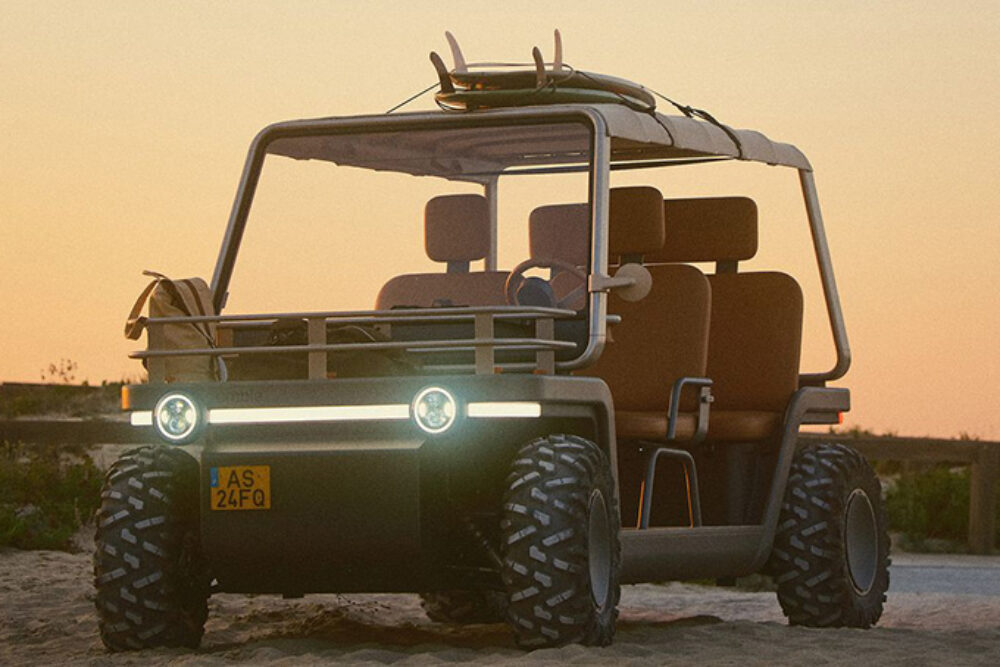
A new wave of electric micro-vehicles is trying to change how we think about daily errands. Leading the charge is a unique vehicle called the Amble One. It has earned the nickname the “G-Wagen of golf carts” thanks to its boxy, high-end design and premium features. While it was originally built for luxury hotels and beach resorts, it might actually be the perfect second car for everyday Americans who are tired of driving giant trucks for simple errands.
What Is the Amble One?
The Amble One is not your average golf cart that you see putting around a country club. It is a purpose-built, open-air electric vehicle designed with luxury and utility in mind. It blends the minimalist charm of a classic beach cruiser with the modern technology of a premium electric vehicle.
Designed for Style and Comfort
Most golf carts look like plastic boxes on tiny wheels. The Amble One takes a completely different approach. It features a bold, geometric silhouette reminiscent of a Mercedes-Benz G-Class, giving it an undeniable road presence.
The vehicle features high-quality materials, comfortable seating for four adults, and an elevated ride height that makes it easy to get in and out. It abandons the cheap plastic feel of traditional neighborhood electric vehicles in favor of marine-grade fabrics, durable finishes, and a clean, minimalist dashboard.
The $0 Secret To Launching Your Entire Online Empire
Why pay hundreds every month for separate software? Build funnels, send emails, and make sales with Systeme.io completely free.
Get Started For $0Free Forever • No Credit Card Needed • Beginner-Friendly
Built for Short Trips
Underneath its stylish exterior, the Amble One relies on a reliable electric drivetrain. It is designed specifically for low-speed environments. It can easily cruise through residential neighborhoods, master-planned communities, and beach towns. It charges using a standard household outlet, meaning you do not need to install an expensive fast-charger in your garage to keep it ready for action.
The Problem With the Giant American Car
To understand why a luxury low-speed vehicle makes sense, we have to look at what is currently sitting in American driveways. Over the past few decades, cars have gotten massive. The roads are flooded with full-size trucks and three-row SUVs.
While these vehicles offer plenty of space and safety on the highway, they come with a long list of downsides for daily life.
The Pain of Parking and Maneuvering
Driving a massive truck through a crowded suburban parking lot can be incredibly stressful. Finding a parking space that actually fits a modern full-size pickup is getting harder. Drivers often have to circle the lot multiple times or park far away just to avoid dinging their doors. Tight turns in drive-thrus or narrow neighborhood streets become a chore rather than a simple drive.
High Costs for Short Trips
Starting a massive V8 engine or a heavy electric SUV just to drive half a mile for a gallon of milk is highly inefficient. It puts unnecessary wear and tear on a vehicle that costs tens of thousands of dollars. On top of that, insurance costs, maintenance, and fuel or charging expenses for giant vehicles add up quickly.
Using a heavy-duty truck for a light-duty errand simply does not make financial or practical sense.
Why a Premium Micro-EV is the Perfect Second Car
This is where the concept of a “neighborhood electric vehicle” or a premium golf cart comes into play. Most households own more than one vehicle. Usually, the second car is just a smaller version of the first car, like a compact SUV or a sedan.
Replacing that second car with something like the Amble One offers a completely different lifestyle choice.
It Handles 80 Percent of Daily Errands
If you look closely at your driving habits, you will notice that the vast majority of your trips are incredibly short. Going to the neighborhood pool, visiting a friend a few streets over, grabbing takeout, or driving the kids to school usually happens within a three-mile radius of your house.
The Amble One handles these tasks effortlessly. It turns a boring, routine errand into an enjoyable outdoor experience.
Easy to Park and Store
Because of its compact footprint, the Amble One can fit into tight spaces where a traditional car could never dream of parking. You can easily squeeze it into small garage spaces alongside your primary vehicle, or park it in designated golf cart parking areas that many modern communities now offer. It takes away the friction of leaving the house for a quick errand.
Lower Impact and Lower Costs
Running an open-air micro-EV is incredibly cheap compared to a full-sized automobile. It uses a fraction of the electricity required by a standard EV, keeping your utility bills low. Maintenance is minimal because there are fewer moving parts, no engine oil to change, and lightweight components that do not wear out quickly.
Moving Beyond Resorts to Suburban Streets
The Amble One was initially created to shuttle guests around expansive luxury resorts, tropical hotels, and private islands. It was built to offer a premium experience that matched the high-end aesthetics of top-tier vacation destinations.
However, the transition from commercial resort use to private suburban use is happening faster than anyone expected.
The Rise of Master-Planned Communities
Across the United States, particularly in states like Florida, Texas, Arizona, and the Carolinas, master-planned communities are booming. These neighborhoods are specifically designed with golf cart paths, low-speed limits, and town centers where residents can shop, dine, and socialize without ever needing to jump on a major highway.
Send, Spend & Hold Money Worldwide Without Hidden Fees
Transfer money internationally at the real exchange rate and hold 40+ currencies in one account.
Open a Wise AccountMid-market rate • Fast transfers • 40+ currencies
In these communities, a vehicle like the Amble One is not a toy. It is a primary mode of transportation for daily community life.
The Cool Factor
Let’s be honest: appearance matters to a lot of buyers. Traditional golf carts often look utilitarian or a bit dated. The Amble One brings a sense of fashion and design to the neighborhood electric vehicle market. It appeals to buyers who want the convenience of a golf cart but do not want to sacrifice their personal style.
It stands out in a sea of identical-looking vehicles, making it a conversation starter wherever it parks.
Comparing the Amble One to Traditional Options
To see where the Amble One fits, it helps to look at the current market for alternative transport.
| Vehicle Type | Pros | Cons | Best Used For |
| Standard Golf Cart | Affordable, widely available, simple to fix | Basic design, plastic materials, lacks premium comfort | Golf courses and basic yard work |
| The Amble One | Premium styling, high-quality build, comfortable ride, unique look | Higher price tag, limited top speed compared to full cars | Suburban errands, resort living, community cruising |
| Compact Gas Sedan | High top speed, can go on highways, weather protection | Boring design, requires gas and regular maintenance, oversized for short trips | Long commutes and city driving |
Is America Ready to Downsize Its Drives?
Changing the way people think about cars is not easy. For decades, the American dream has been tied to big, powerful vehicles. But a shift in mindset is clearly underway. People are growing tired of the expenses, the bulk, and the stress that comes with managing multiple massive vehicles in a single household.
Downsizing your second vehicle does not mean giving up luxury or comfort. It means choosing the right tool for the job. By using a heavy-duty vehicle for highway trips and a lightweight, stylish electric vehicle for neighborhood runs, drivers can enjoy the best of both worlds.
Frequently Asked Questions
Can the Amble One be driven on regular public roads?
In many parts of the United States, vehicles like the Amble One can be driven on public roads that have a speed limit of 35 miles per hour or less, depending on local state laws. These are often classified as Low-Speed Vehicles (LSVs) or Neighborhood Electric Vehicles (NEVs). They usually require basic safety features like seatbelts, turn signals, and headlights, and they must be registered with a license plate.
How far can the Amble One travel on a single charge?
While exact range figures depend on driving habits and terrain, most vehicles in this category are designed to easily cover 30 to 40 miles on a single charge. Since the average neighborhood errand is less than three miles, this provides more than enough range for several days of typical use without needing to plug in.
How do you charge a vehicle like this?
The Amble One is designed to be incredibly user-friendly. It plugs directly into a standard 110-volt household wall outlet. You do not need to hire an electrician to install a specialized Level 2 charging station in your garage. You simply plug it in overnight, and it is fully charged and ready to go by the morning.
Is it safe for families?
Yes, it is designed with safety in mind for low-speed environments. It features proper three-point seatbelts, sturdy frame construction, and reliable braking systems. However, because it is an open-air vehicle without airbags or traditional crumple zones, it is strictly meant for low-speed residential streets and designated paths, not for busy highways or high-speed traffic.
The $0 Secret To Launching Your Entire Online Empire
Why pay hundreds every month for separate software? Build funnels, send emails, and make sales with Systeme.io completely free.
Get Started For $0Free Forever • No Credit Card Needed • Beginner-Friendly
Why not just buy a cheap used car instead?
A used gas car comes with hidden costs like oil changes, emissions tests, transmission repairs, and higher insurance rates. A premium micro-EV offers a completely unique open-air driving experience, requires almost zero maintenance, takes up much less space, and is far more fun for short community trips than a standard older sedan.
The Bottom Line
The Amble One represents a clever shift in how we look at personal transportation. It takes the best parts of a golf cart—the open-air fun, the agility, and the simplicity—and wraps it in a gorgeous, high-end package that rivals luxury automobiles.
As more people look for ways to simplify their lives and escape the stress of driving massive trucks everywhere, the “G-Wagen of golf carts” makes a compelling case for itself. It might just be the ultimate second car you never knew you needed.
For more stories on unique automotive trends and sustainable living, check out our Whatsbuzzn Lifestyle Section. To see how communities are changing to support these types of vehicles, visit the Department of Transportation website for guidelines on low-speed vehicle regulations in your area.
