

Sending money from Nigeria to Kenya isn’t as simple as sending cash across town. Different rules, different currencies, and sometimes hidden costs can make things tricky.
But the good news is that you have more options now than ever before. New fintech apps and payment systems designed specifically for Africa make the process faster and cheaper than just a few years ago.
This guide walks you through the best ways to send money from Nigeria to Kenya right now, including what each option costs, how long it takes, and which one makes sense for your situation.
Know the Limits First
Before picking a method, understand the legal limits. The Central Bank of Nigeria (CBN) has specific rules for sending money out of the country.
For individuals, the outbound transfer limit is currently $2,000 per transaction (converted to Naira at the current exchange rate). For businesses, it’s $5,000 per transaction.
Any amount above those limits requires extra documentation and paperwork. So if you’re trying to send a large sum, plan to split it into multiple transfers or use a method that works differently.
Most digital platforms automatically handle compliance for you, but it helps to know the rules so you don’t get surprised when a transfer gets flagged.
Your Best Options for Sending Money
Fintech Apps (Fastest and Cheapest)
This is where the real progress has happened.
Several apps now let you send money directly from Nigeria to Kenya with low fees and competitive exchange rates.
Africhange
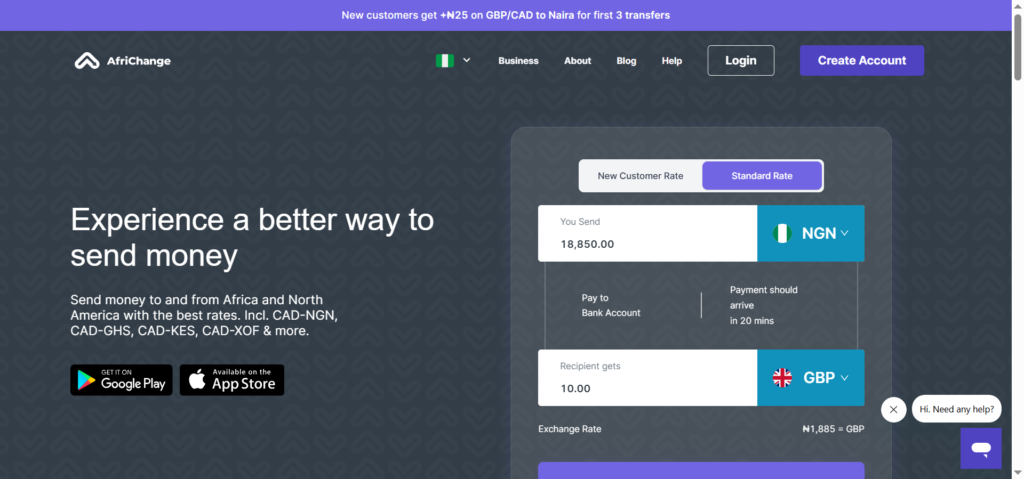
A solid choice for the Nigeria-to-Kenya route. It operates with a license in Nigeria and charges very low fees, often as little as 9.09 NGN per transfer. Transfers usually settle within minutes, and the recipient can receive funds directly to mobile money or a bank account.
LemFi .
Has grown quickly, with over a million active users. It offers zero fees for most African corridors, including Kenya, and its multi-currency wallet makes it easy to hold and convert funds.
Wise (formerly TransferWise)
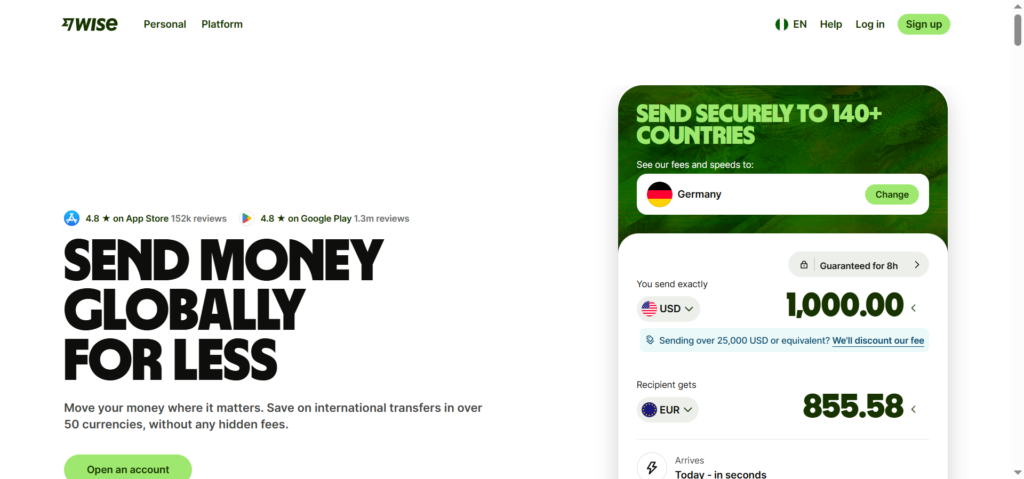
uses the mid-market exchange rate with zero markup. That means you get the real exchange rate, not a padded one. Fees are transparent and range from 0.35% to 1.5% depending on the amount and payment method. Direct M-Pesa deposits are supported.
Eversend
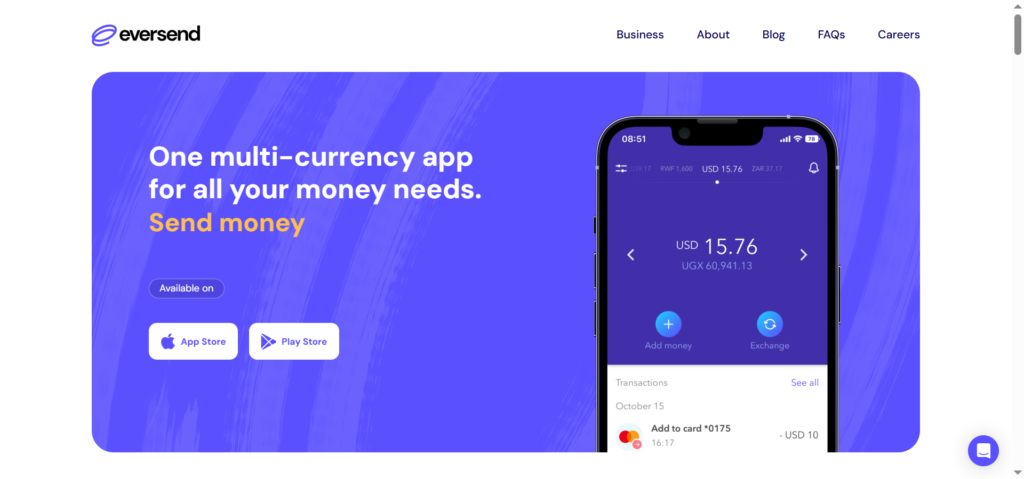
also makes the list for its simplicity. You can send money from Nigeria directly to M-Pesa wallets in Kenya, and transfers to other Eversend accounts are completely free.
Crypto and Blockchain Options
This route works differently. Instead of sending Naira directly, you convert your money to a stablecoin like USDT, send it through the blockchain, and the recipient cashes it out in Kenyan Shillings.
Bitnob
specializes in this. Transactions settle quickly, even during peak demand, and withdrawal in local currency is supported across Nigeria and Kenya.
The main advantage here is speed and lower fees for larger amounts. The learning curve is real, though. You need a basic understanding of how wallets and exchanges work. If you’re sending money regularly, it’s worth learning.
PAPSS (Best for Bank-to-Bank)
The Pan-African Payment and Settlement System (PAPSS) is an official system launched by Afreximbank, the African Union, and the AfCFTA Secretariat. It allows instant cross-border payments in local currencies.
What makes PAPSS special is that it completely removes the need for US dollars as an intermediary. You pay in Naira, and the recipient gets Kenyan Shillings directly. No currency conversion losses.
KCB Bank in Kenya offers PAPSS transfers directly through its mobile banking app. You log in, select global transfers, pick PAPSS, enter the recipient’s bank details, and the money moves in real time.
The downside? Your Nigerian bank needs to be connected to PAPSS. Not all banks are yet, so check with your bank first.
Mobile Money (MoMo PSB)

MoMo PSB, MTN Nigeria’s payment service bank, now lets its customers send money directly to Kenya. It works through partnerships with global payment infrastructure providers like Thunes and Lightway Finance.
You send from your MoMo wallet in Nigeria, and the recipient gets the funds in Kenya, likely via M-Pesa. Processing times are fast, and exchange rates are competitive.
This is a great option if you already use MoMo PSB for other things. No need to sign up for a separate app.
What About Traditional Banks?
Honestly, traditional bank transfers should be your last resort.
Banks usually offer very low or zero upfront fees, but they make their money through terrible exchange rates. The difference between the real exchange rate and what the bank offers can eat up 4–5% of your transfer amount.
For a 360,000 NGN transfer, a traditional bank like MoneyGram might charge a 14,400 NGN fee and still give you a poor exchange rate. By contrast, Africhange charges only 9 NGN and offers a much better rate.
So unless you have no other option, skip the bank.
How to Pick the Right Method
Here’s a quick comparison to help you decide:
| Method | Fees | Speed | Best For |
|---|---|---|---|
| Africhange | Very low (single-digit NGN) | Minutes | Small to medium amounts |
| Wise | 0.35–1.5% + transparent | 1–2 days | Regular senders, best exchange rate |
| PAPSS (KCB) | No currency conversion fees | Instant | Bank-to-bank transfers |
| Crypto (Bitnob) | Low for larger amounts | Minutes | Large transfers, tech-savvy users |
| MoMo PSB | Competitive, wallet-based | Fast | Existing MoMo users |
Hidden Costs You Need to Watch For
The fee you see upfront is rarely the full story. Three things eat into your transfer amount more than you might think:
Exchange rate markups are the biggest hidden cost. A provider might show you a “zero fee” transfer, but they’ll offer you an exchange rate that is 5% worse than the real market rate. Over a large transfer, that hidden markup costs you far more than any visible fee would have.
Receiving-side fees also matter. Even if you pay nothing to send, the recipient might get charged for withdrawing cash from M-Pesa or their bank. Always ask your recipient what fees they face on their end.
Speed premiums can add up. If you need the money to arrive in minutes instead of days, some platforms charge extra for that speed. Know whether you actually need instant delivery or if standard speed works fine.
Practical Tips to Save Money
Always compare the total cost, not just the fee. Use the mid-market exchange rate as your reference point. That is the rate you see on Google or XE. Any provider offering less than that is charging you a hidden markup.
Send larger amounts less often to reduce the impact of flat fees. If you send 50,000 NGN ten times, you pay ten separate fees. Send 500,000 NGN once, and you pay only one fee.
Sign up for email alerts from platforms like Monito that track exchange rates and notify you when the rate is favorable.
For regular transfers like monthly family support, set up recurring transfers if your platform allows it. You will often get better rates and lower fees for scheduled transfers.
Frequently Asked Questions
How long does a transfer from Nigeria to Kenya usually take?
It depends on the method. Fintech apps like Africhange and Eversend typically settle in minutes. PAPSS transfers happen in real time. Wise takes 1–2 business days. Traditional banks can take 3–5 days.
Can I send money directly to an M-Pesa wallet?
Yes. Several platforms including Wise, Eversend, and Taptap Send offer direct M-Pesa deposits. The recipient gets the funds in their mobile money wallet without needing a bank account.
What documents do I need to send money?
For amounts under $2,000, most platforms only need basic KYC details: your name, phone number, and a government-issued ID. For larger amounts, you may need additional documentation to comply with anti-money laundering rules.
Is it legal to send money from Nigeria to Kenya?
Yes, as long as you use a licensed provider and stay within the CBN’s transaction limits. All the platforms mentioned here operate with proper licenses.
Which method is cheapest for sending 200,000 NGN?
For that amount, Africhange or Wise will likely give you the best total value. Check both platforms at the time of your transfer because exchange rates change daily.
Conclusion
Sending money from Nigeria to Kenya no longer requires standing in bank queues or accepting unfair exchange rates. You have real choices now. Apps like Africhange, Wise, and LemFi offer low fees and fast delivery. PAPSS provides instant bank-to-bank transfers without currency conversion losses. Even mobile money through MoMo PSB works well if you already use the service.
The key is simple: always compare the total cost, watch the exchange rate carefully, and avoid traditional banks unless you have no other option.
Now it is your turn. What has been your experience sending money across African borders? Have you tried any of these methods, or do you have a favorite that is not on this list? Drop a comment below. Real experiences help everyone make better decisions.
