
Sending money from Jamaica to Nigeria is not the most common route, so you won’t find dozens of apps competing for your business like you would for the US or UK corridors.
That means a little more digging is required. But the good news is that the few options available can actually work really well, and the landscape is changing fast with new partnerships aimed specifically at connecting the Caribbean and Africa.
Here is a straight-to-the-point guide on how to send money from Jamaica to Nigeria without losing a fortune to hidden fees.
The Reality of This Specific Route
There is no direct Jamaican Dollar (JMD) to Nigerian Naira (NGN) payment corridor in the traditional banking sense. Most banks and apps would force you to convert JMD to US Dollars (USD) first, then send those dollars to Nigeria, where they get converted again to NGN. You lose money on every single conversion.
Because of this, your cheapest and fastest options will almost always involve using digital wallets that can hold multiple currencies or using crypto as a bridge. Avoid traditional bank wires through SWIFT—they are slow, expensive, and give the worst exchange rates. The exception is using a MoneyGram agent at a physical location for cash pickups, but that is a different workflow than an online transfer.
Build Funnels, Email Lists & Sell Online With One Free Tool
Create funnels, send emails, and sell online using Systeme.io without paying for multiple tools.
Create Free AccountFree forever • No credit card • Beginner-friendly
Comparison: Transfer Speed, Cost, and Payout
| Method | Funding Currency | Payout Currency | Typical Speed | Best For |
|---|---|---|---|---|
| PayPal P2P Transfer | JMD or USD | NGN (via bank transfer) | Minutes | Friends/family using PayPal |
| WorldRemit or Remitly | JMD or USD | NGN (bank deposit) | Up to 1 hour | Reliable online transfers |
| MoneyGram Agent | JMD cash | NGN cash pickup | Minutes | Physical cash delivery |
| Crypto (Stablecoins) | JMD→USDT/USDC | NGN (bank/M-Pesa) | Minutes | Large amounts, best rates |
| Emerging Fintech (WapiPay) | JMD | NGN (bank/wallet) | Fast (new service) | Africa-Caribbean corridor |
Your Best Options Explained
PayPal P2P Transfer – The easiest digital option
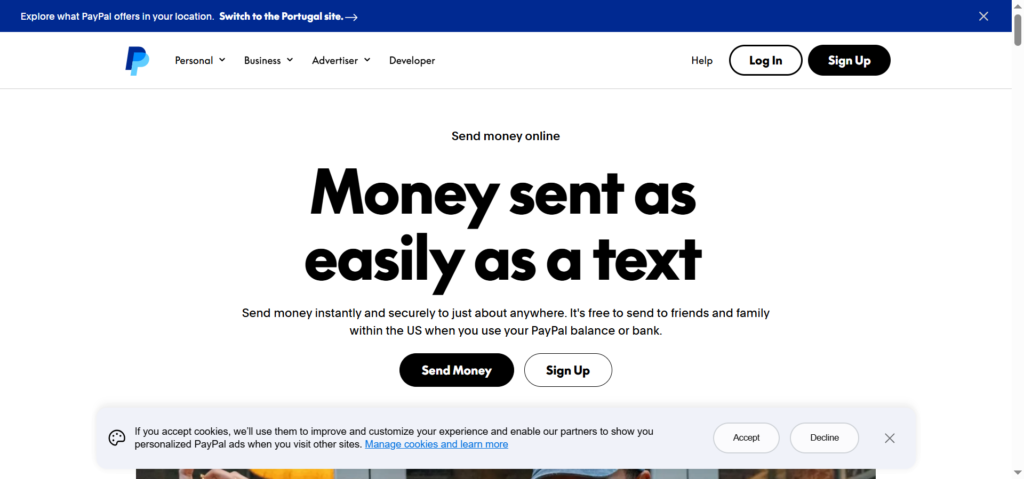
If both you and the person in Nigeria have PayPal accounts, this is by far the simplest digital method. You send money from your Jamaican PayPal account, and your recipient in Nigeria receives it directly into their PayPal wallet.
From there, they can transfer the funds to their local Nigerian bank account. However, be careful: PayPal’s currency conversion fees range from 3.5% to 4.5%, which can eat a big chunk of your transfer. So while it works, it is not the cheapest. The speed is excellent (minutes), and you don’t need to share bank details.
WorldRemit and Remitly – Reliable and regulated
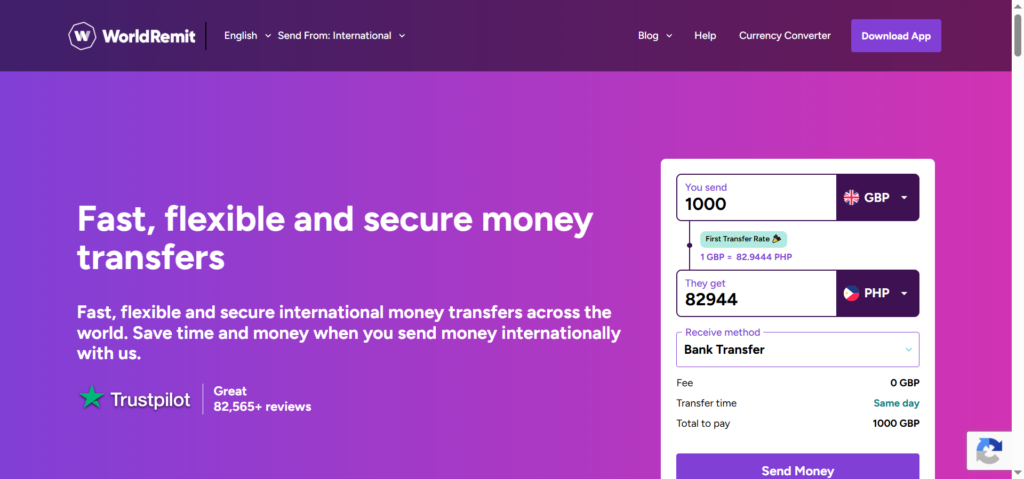
These are established international money transfer operators that Nigeria trusts. You can fund the transfer in Jamaican Dollars (converted from your card or bank), and they will pay out in Naira directly to a Nigerian bank account.
WorldRemit states that transfers can be credited within up to 1 hour. They are both regulated and have strong security.
The downside is that you will not see the final exchange rate until you start the transaction, so always compare the total NGN received against the mid-market rate.
MoneyGram Agent – For physical cash pickup
If your recipient in Nigeria needs cash in hand and does not have a bank account, MoneyGram is your best bet.
You can visit any MoneyGram agent location in Jamaica, deposit Jamaican Dollars, and your recipient can pick up the cash in NGN at thousands of agent locations across Nigeria.
For a transfer of 40,000 JMD, the recipient could get around ₦306,570 after the exchange rate and fee are applied. The agent model is very trusted but the fees are higher than digital apps.
Crypto (Stablecoins via AfriChange or RedotPay) – For the best rates on large amounts
This is where you get the mid-market exchange rate with almost no hidden fees. Here is how it works:
- You buy a stablecoin (like USDT or USDC) using your Jamaican Dollars on a global exchange (like Binance or Coinbase).
- You send that USDT to a platform designed for African payouts, such as AfriChange or RedotPay.
- Those platforms instantly convert the crypto to Naira and deposit it directly into the recipient’s Nigerian bank account. AfriChange’s “Pay With Crypto” feature lets you use USDT to fund transfers directly.
RedotPay partners with Ripple to settle transfers to Nigeria within minutes, supporting USDC, USDT, BTC, and XRP.
Yes, this involves a few extra clicks. But on a transfer of $500 USD or more, you could save 20% to 30% compared to using PayPal or a bank. It is the most financially efficient method for the Jamaica-Nigeria route, especially for freelancers or business payments.
WapiPay – The new dedicated corridor (Watch this space)
Kenyan fintech company WapiPay recently received approval from the Bank of Jamaica to begin operations through a partnership with JN Money Services Limited.
They specifically plan to support money transfers between Africa, Asia, and the Caribbean. This is huge because it removes the need for USD conversion entirely. It is brand new, but worth keeping an eye on if you send money regularly. Long-term, this could become the cheapest option on this list.
Hidden Costs You Need to Watch For
The fee you see upfront is rarely the full story. On this specific route, three things eat into your money:
Currency conversion markups.
If the platform shows a fee of 1,500 JMD but the exchange rate they give you is 5% worse than the rate on Google, they have just charged you an extra 5% without calling it a fee.
Double conversion loss.
If your money goes JMD → USD → NGN, you lose value twice. The best options (crypto or WapiPay) avoid double conversion entirely by going straight to NGN.
Bank and agent fees.
In Jamaica, if you fund a transfer with a credit card, the platform will charge you extra to cover the card fees. Always use bank transfer or cash as the funding source where possible. Also, the recipient might face a small withdrawal fee at a Nigerian bank branch.
Practical Tips for First-Time Senders
If you are sending less than 50,000 JMD (approximately $320 USD), PayPal or WorldRemit is fine. The convenience is worth the small fee difference.
If you are sending more than 150,000 JMD (approximately $950 USD), learn the crypto route. Set up a Binance account, buy USDT, and use AfriChange to cash it out in Nigeria. The time investment pays off.
Avoid sending money over the weekend. Exchange rates often shift on Fridays and Mondays, and compliance checks can delay the transfer.
Frequently Asked Questions
Do I need a Nigerian bank account to receive money?
Not necessarily. Some platforms pay out directly to mobile money wallets like MTN MoMo or Paga, though bank deposits are more common. Cash pickup via MoneyGram requires no bank account at all.
What is the legal limit for sending money from Jamaica to Nigeria?
Jamaica does not have a strict personal limit, but Nigerian regulations require all inbound remittances to be routed through licensed International Money Transfer Operators (IMTOs). As long as you use a regulated provider like WorldRemit or MoneyGram, you are compliant.
How long does a crypto transfer take?
The blockchain transfer (USDT) takes 1–10 minutes. The payout to the Nigerian bank account (via AfriChange or RedotPay) takes another 5–15 minutes. Total time is under 30 minutes.
Can I send money to someone without internet?
Yes. Use a MoneyGram agent in Jamaica for cash pickup. The recipient in Nigeria simply goes to any MoneyGram agent location with an ID and the reference number.
Is it safe to use crypto for remittances?
Yes, as long as you use a regulated on-ramp/off-ramp platform like AfriChange (which has secure checks) or RedotPay (which uses Ripple’s infrastructure). Avoid peer-to-peer Telegram groups. Stick to established platforms with KYC verification.
Conclusion
Sending money from Jamaica to Nigeria takes a little more effort than sending to the US or UK, but it is very doable. For small amounts, use PayPal or WorldRemit for simplicity. For larger amounts, learn the crypto route through AfriChange or RedotPay to save serious money. And keep an eye on WapiPay—it might soon turn this corridor into a one-click transfer without any hidden costs.
What method have you used to send money across this route? Have you tried the crypto option, or do you have a local agent you trust? Drop your experience below. Real stories help everyone figure out what actually works.
