
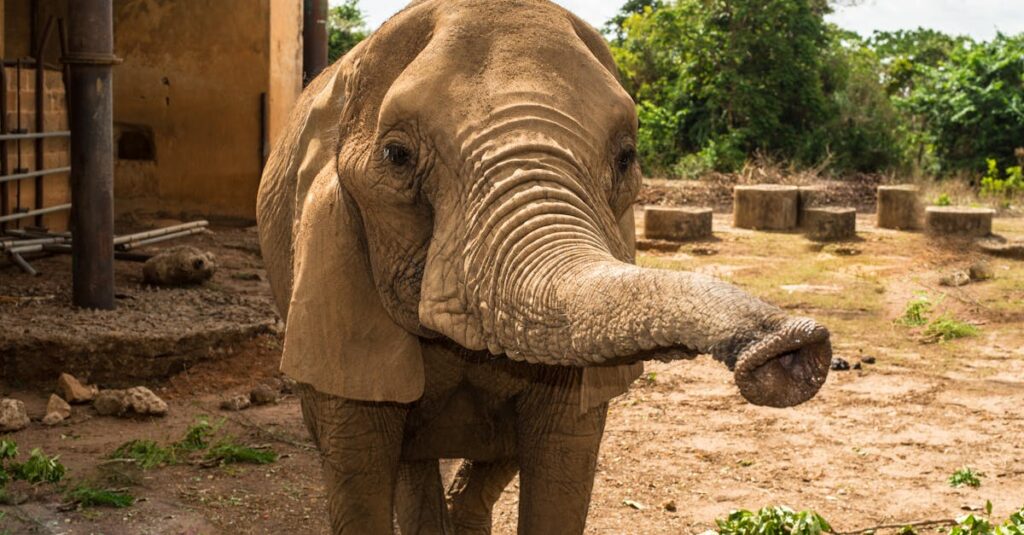
Have you ever imagined coming face-to-face with a massive elephant, watching a troop of monkeys swing through the trees, or spotting a rare chimpanzee hidden deep in the forest?
You probably don’t need to book a flight all the way to Kenya or South Africa to experience that kind of thrill. Nigeria, with its stunning variety of landscapes—from rainforests to savannahs—is actually a fantastic place for wildlife viewing. You just need to know exactly where to look.
1. Yankari National Park: Nigeria’s Wildlife Crown Jewel
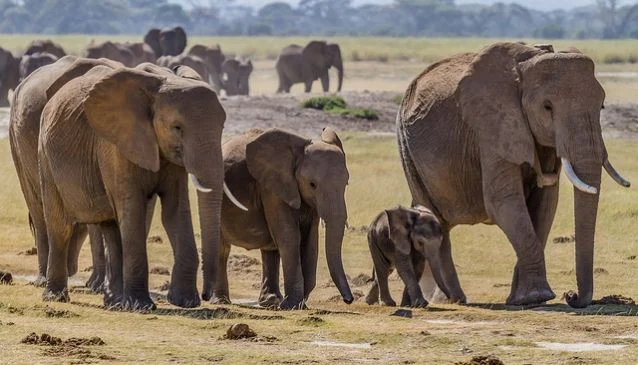
If you only have time for one location on this list, make it Yankari. Located in Bauchi State, this isn’t just a park; it’s Nigeria’s most popular wildlife destination. Yankari is home to the largest surviving elephant population in the whole of Nigeria . It is also considered one of the last strongholds for the critically endangered West African lion, though they are tricky to spot even for experienced guides . This explains why understanding the local conditions is vital.
Here, you will find herds of elephants roaming freely across the savanna plains, often right around the corner from baboons and warthogs . It is also home to more than 350 species of birds, making it a paradise for anyone who enjoys birdwatching .
The best part? After a long day of driving around searching for animals, you can jump into the warm, crystal-clear waters of the Wikki Warm Spring. This is one of four natural springs in the park where the water stays at a constant temperature all year round—perfect for relaxing .
Pro Tip: Go during the dry season (November to March). The animals gather around the remaining water sources, which makes them infinitely easier to spot than in the rainy season .
2. Cross River National Park: Where Primate Lovers Go
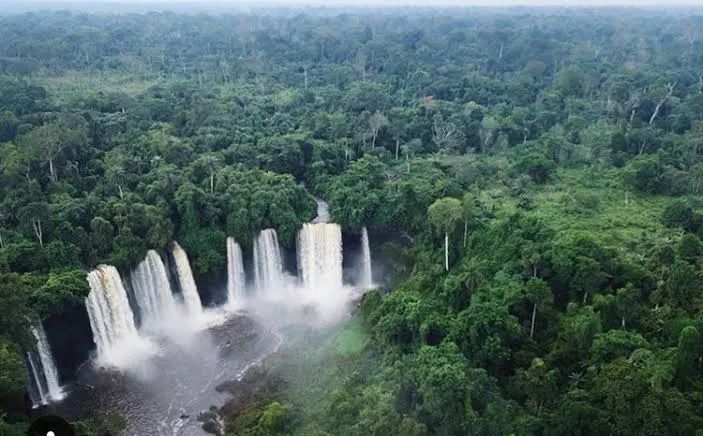
Tucked away in the southern part of Nigeria is the incredible Cross River National Park. This is the place for anyone who is fascinated by primates. It serves as a crucial sanctuary for some of the most endangered species on the planet .
This is one of the only places in the wild where you can track the elusive Cross River gorilla and the Nigeria-Cameroon chimpanzee. The park also hosts 16 different species of other monkeys, including drills and various guenons . Because these animals are shy and the forest is very dense, you will absolutely need a professional guide to help you track them.
Heads Up: This is serious rainforest. It is humid, the ground can get muddy, and the animals are often hard to see unless you are patient. Bring waterproof hiking boots and don’t forget the insect repellent.
3. Gashaka Gumti National Park: The Ultimate Off-Grid Adventure
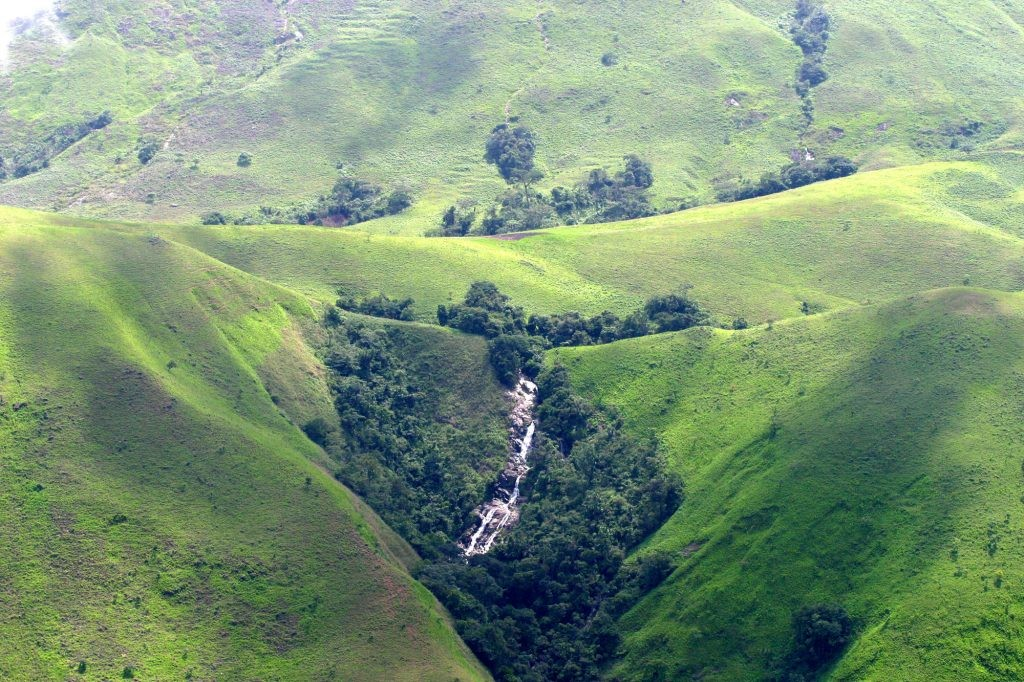
For the true adventurers looking for a rough and ready experience, Gashaka Gumti is Nigeria’s largest and most scenic national park . It is located in Taraba State and spreads all the way to the border of Cameroon. It is far less visited than Yankari, which means you usually get the trails all to yourself.
The biodiversity here is staggering. Reports show the park is home to over 100 mammal species, nearly 500 kinds of birds, and more than 300 butterfly species . It is also a haven for primates, specifically the Nigeria-Cameroon chimpanzee . However, a little honesty is required here: this park is currently facing conservation challenges. Due to past poaching, it is much harder to see large mammals like lions or hippos here today . Still, for the sheer beauty of the landscape, it is unmatched.
Heads Up: This is for the rugged explorer. You must be well-prepared, bring your own supplies, and coordinate with the park’s primate project for accommodation .
4. Lekki Conservation Centre: Wildlife in the City
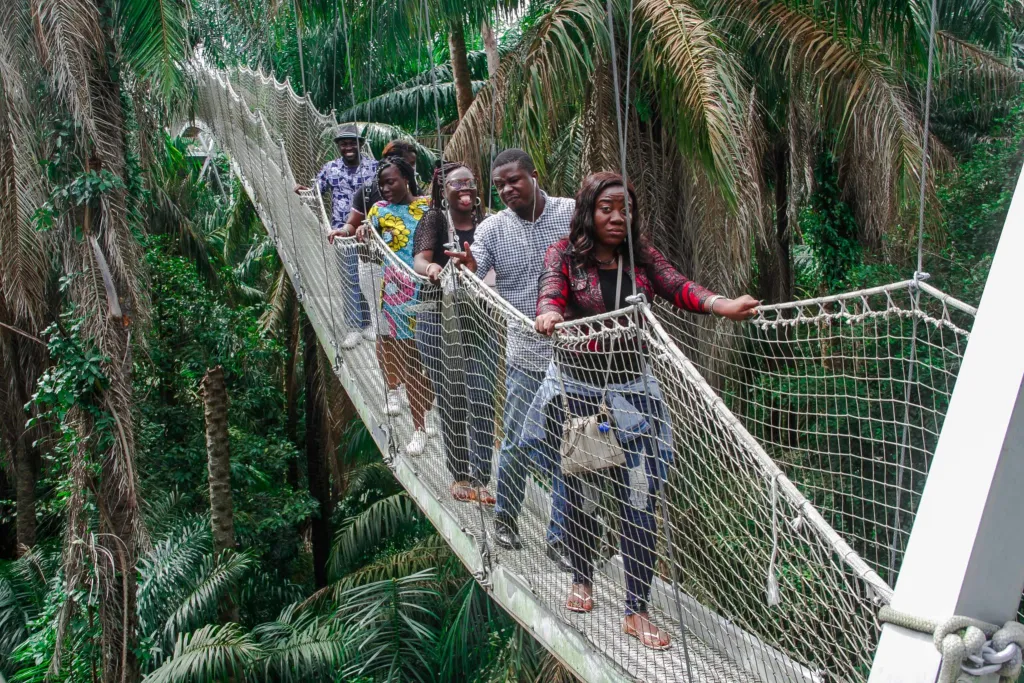
Don’t have weeks to travel out of the city? That’s okay. Lagos has its own green heart. The Lekki Conservation Centre (LCC) is a 78-hectare oasis of wetland and forest right in the bustling Lekki Peninsula .
Here, monkeys are completely used to humans. They leap from branch to branch just meters above your head. You can walk Africa’s longest canopy walkway, which gives you an aerial view of the forest and a chance to spot crocodiles lounging in the water below .
It’s not a full savanna safari, but it is an easy, accessible, and safe way to introduce kids or visitors to Nigerian wildlife. It gives you that nature fix without driving for 10 hours.
Pro Tip: Go early in the morning. The animals are most active when the weather is cool, and you will beat the school tour crowds.
5. Okomu National Park: The Hidden Gem in Edo State
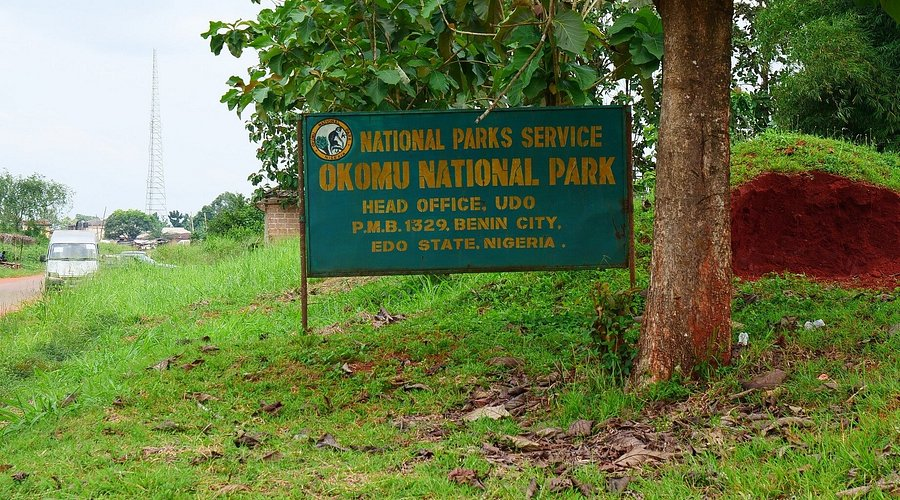
Deep in Edo State, about an hour’s drive from Benin City, sits Okomu National Park. This is a remnant of the tropical rainforest that used to cover most of southern Nigeria. While it is one of the smaller national parks, it packs a punch .
Okomu is the stronghold for the rare, white-throated monkey. It is also one of the few places where you can see the African forest elephant, which is smaller and hairier than its savanna cousin. There are also forest buffalo, bush pigs, and over 150 species of colorful birds here .
Heads Up: Like Gashaka, Okomu is undergoing a major revival through conservation programs. It is best visited from November to March to avoid the heavy rains which turn the roads to mud .
6. Afi Mountain Wildlife Sanctuary: The Drill Capital
Just across from Cross River National Park lies the Afi Mountain Wildlife Sanctuary. This place holds a very specific title: the best protected area for drills in the entire world .
Drills are large, colorful monkeys that are sadly very endangered. Afi Mountain is also another refuge for those ever-elusive Cross River gorillas and chimpanzees. The sanctuary boasts a forest canopy walkway that is 25 meters above the jungle floor, giving you a completely different view of the monkeys below .
Frequently Asked Questions (FAQs)
What is the best time of year to see animals in Nigeria?
Almost unanimously, the dry months between November and March are your best bet. The vegetation is less thick, and the sparse water sources draw the animals out of the deep forest .
Are these parks safe to visit?
Yankari and Lekki are generally very safe and well-patrolled. For parks in the far north or east (like Gashaka), you need to check the current travel advisories from local authorities before you go. Always use the official park rangers for guidance.
Do I need to book my tickets online?
Most of these parks don’t have fully automated online booking systems. Expect to pay at the gate. For guided treks (like chimp tracking in Cross River), you must arrange with the park headquarters or a tour operator a few days in advance.
Can I see the Cross River gorilla easily?
No, not easily. These are the world’s rarest apes. They are very shy and live in rough terrain. It takes a lot of patience and luck to see them, even with a guide. Do not go expecting a guaranteed sighting.
Which Spot Will You Try First?
Nigeria’s wildlife scene is raw, authentic, and ready for you to explore. It might take a bit more effort than visiting a zoo, but standing in the wild and watching an elephant cross the road is an feeling that never goes away.
So, after reading this, which destination is at the top of your wish list? Let me know if you have any questions about traveling to these spots.
Practical Tips for Your Wildlife Adventure
Before you pack your bags, there are a few realities to face. Traveling to these places usually requires a reliable vehicle (preferably a 4×4 truck). Tickets are usually bought at the park gates, and it is always better to call ahead.
Always, always hire a local guide. Your safety is important, but beyond that, the rangers know exactly where to look for the animals. A pair of binoculars is your best friend on any Nigerian safari.
Also, we need to talk about protection. Illegal poaching is a real threat to these animals . When you buy a ticket or hire a guide, you are funding the people who risk their lives to stop poachers. Be a responsible tourist. Do not litter, do not feed the animals, and do not buy animal skins or tusks as souvenirs.
