
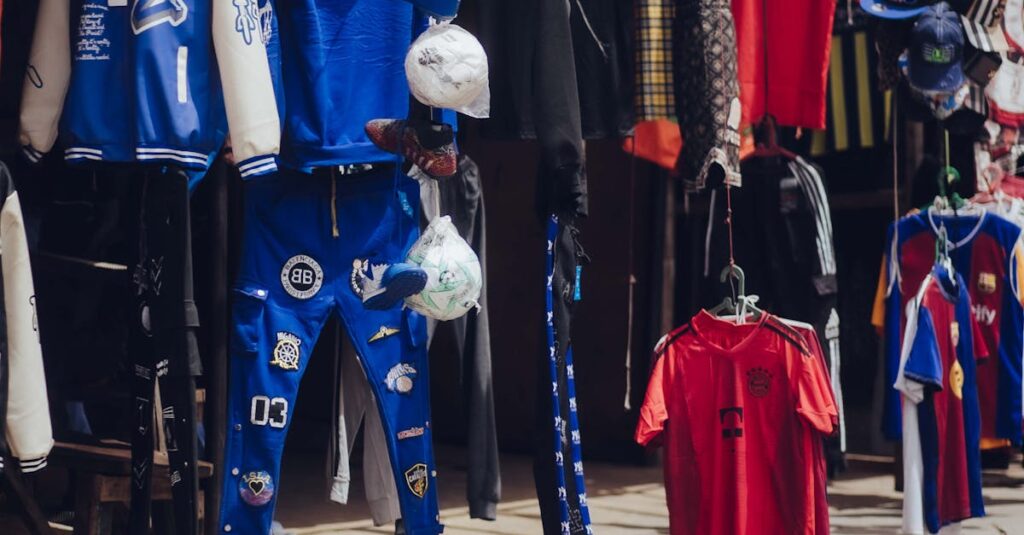
Walking into a Nigerian market for the first time can feel overwhelming. The noise, the crowd, the endless rows of goods, and sellers calling out to you from every direction.
But here is the truth most foreigners and new shoppers get wrong: the price you hear first is not the real price. It is simply an opening move in a game everyone expects you to play.
Bargaining is not about being cheap or fighting over small change. It is a social dance. A way of showing respect, building quick rapport, and walking away with a fair deal that leaves both sides feeling okay. And once you learn the rhythm, it actually becomes fun.
This guide will walk you through exactly how to bargain like someone who has done it a hundred times. No fancy tricks. No aggressive tactics. Just real, honest methods that work.
Why The First Price Is Never The Real Price
Here is something important to understand. When a seller gives you a price, they are not trying to cheat you. They are simply starting the conversation. In Nigerian markets, prices are flexible by design. Sellers expect you to negotiate. If you pay the first price, you are essentially skipping the whole process, and honestly, they will be a little surprised.
Think of it this way. The first price leaves room for bargaining. Maybe 30 to 50 percent higher than what they will actually take. That is normal. That is how the system works. Your job is not to insult them with a ridiculously low offer. Your job is to find the real price through respectful back-and-forth.
Before You Even Open Your Mouth
The bargaining actually starts before you say a single word. How you walk, how you look at items, how long you pause, it all matters.
Dress the part
You do not need to wear rags. But flashing expensive watches, designer bags, or obvious tourist gear will make sellers start with higher prices. Keep it simple. Casual and comfortable works best. Blend in rather than stand out.
Carry small notes
This one saves so much headache. If you agree on a price of two thousand naira and hand over a five thousand note, the seller might suddenly claim they have no change. Then you are stuck waiting or forced to buy something extra. Break your money before you get to the market. Carry small denominations so you can pay the exact amount.
Do your homework first
For common items like tomatoes, rice, clothing, or phone accessories, ask friends or neighbors what a fair price looks like. Even a rough idea helps. If you know a wrapper should cost around three thousand, you will not panic when someone starts at eight thousand.
The Step-By-Step Bargaining Process
Let me walk you through an actual exchange so you see how the pieces fit together.
1. Show interest without looking desperate
Pick up the item. Look at it carefully. Check the stitching, the weight, the color. Sellers are watching your body language. If you look like you have already fallen in love with the item, you lose some power.
Ask a simple question like “How much?” Do not react to the number. Just nod.
2. Counter with confidence
The seller gives their price. Let us say ten thousand naira. You smile and offer something much lower, but not insulting. Somewhere around forty to fifty percent of their price. So you say “I can do four thousand.”
They will act shocked. Maybe laugh. That is fine. That is part of it.
3. Let them come back
They will likely say something like “Four thousand? This is good quality! Let me help you, eight thousand last price.”
Notice they said “last price.” That is not really the last price most of the time. It just means they want you to move up.
4. Meet somewhere in the middle
You say “Five thousand. And that is my own last price.” Now you are both using the same language. You are speaking their game.
They might sigh, say something about their children needing to eat, and finally agree on six thousand. Congratulations. You just saved forty percent.
5. Pay and leave clean
Hand over your money. Say thank you. Do not gloat. Do not act like you won a battle. A good bargain leaves both people feeling respected. And here is a secret: sellers respect good bargainers. They will remember you next time and might even give you a fairer first price.
Common Mistakes That Scream “Beginner”
Avoid these and you will already be ahead of most newcomers.
Showing excitement too early – The moment your eyes light up and you say “I have been looking for this everywhere,” the price just went up.
Bargaining for very cheap items – Do not haggle over ten naira on a hundred naira item. It looks petty and wastes everyone’s time. Save your energy for bigger purchases.
Getting emotional – If you feel angry or frustrated, walk away. There are always other stalls selling the same thing.
Forgetting to check the item first – Bargain on price, then inspect again before paying. Some sellers might try to swap in a lower quality version while you are negotiating.
Talking too much – You do not need to explain why you want a lower price. Just state your offer calmly. Explanations weaken your position.
Different Markets, Different Rules
Not every Nigerian market works exactly the same way. Knowing the differences helps you adjust.
Open air markets like Balogun, Onitsha, or Ariaria – This is where bargaining is expected most aggressively. Prices start high. You can negotiate hard here.
Supermarkets and malls – Fixed prices. Do not bargain. You will just look confused.
Small neighborhood shops – Some bargaining is possible, especially if you buy multiple items. But the prices here are usually closer to the real value already.
Specialized markets like computer villages or fabric markets – Sellers in these spaces see a lot of bargaining every day. They are sharp. You need to have done real research before stepping in.
How To Handle “This Is My Last Price” (Because It Rarely Is)
Sellers love this phrase. And sometimes it is true. But most of the time, there is still room to move.
Here is how you test it without being rude. Say “Okay, I understand. Let me walk around and check other stalls. If yours is the best, I will come back.”
Then actually start walking. This is not a fake threat. You should genuinely be willing to leave. Many times, the seller will call you back within ten seconds with a better price.
If they do not call you back, then that really was their last price. And you can decide if it is fair or keep looking elsewhere.
When To Walk Away And When To Pay
Walking away is your strongest tool. But only use it when you mean it.
If you have reached a price that feels fair to you, just pay it. Trying to squeeze out every last naira can backfire. The seller might get annoyed and refuse to sell completely. Or they will remember you as difficult and give you worse prices next time.
A good rule: if the difference is small enough that you would feel silly walking away over it, just take the deal.
A Few Real Examples To Make It Stick
Let me give you some concrete numbers so you see the pattern.
- Pair of casual shoes – First price 15,000 naira. Offer 6,000. Settle around 9,000 or 10,000.
- Bunch of plantains – First price 2,000. Offer 800. Settle around 1,200 to 1,500.
- Secondhand clothing (okrika) – First price 5,000 for a shirt. Offer 2,000. Settle around 3,000.
- Handmade jewelry – First price 8,000. Offer 3,000. Settle around 5,000.
These are rough guides. Actual prices depend on quality, location, and how busy the market is that day.
The Cultural Side You Should Know
Bargaining in Nigeria is not just business. It has a social layer that outsiders often miss.
Smiling helps. A little small talk before negotiating goes a long way. Ask how their day is going. Comment on the weather. Nigerians are generally warm and friendly people, and that warmth extends to market interactions.
Also, avoid being aggressive or loud. There is a difference between confident bargaining and being rude. Stay calm. Keep your voice low. Let your willingness to walk away do the heavy lifting, not your tone.
One more thing: if a seller offers you something to drink or a seat, that is a sign of respect. Accept graciously. It does not mean you owe them a purchase, but it does mean you should be polite in return.
What About Buying In Bulk?
If you are buying many items or shopping for a business, the rules change slightly.
Tell the seller upfront. “I want to buy ten of these, not just one.” Then ask for their bulk price. You should expect a much lower per-unit cost than if you bought one at a time.
Do not be afraid to ask “What is your best price for this quantity?” And then still negotiate a little from there. Bulk buyers have real power because sellers want to move large amounts of inventory quickly.
Frequently Asked Questions
Is it rude to bargain?
No. In Nigerian markets, not bargaining is seen as unusual. Sellers expect it and price their goods accordingly.
How low should I go?
Start around 40 to 50 percent of their first price. That gives you room to meet in the middle.
What if the seller gets angry?
That is often part of the act. Stay calm. If they are genuinely angry (rare), just apologize and walk away. There are plenty of other sellers.
Should I bargain differently as a foreigner?
You will likely get higher first prices. But the process works the same. Stay friendly. Do your research. Be willing to walk away. Respect goes both ways.
Can I bargain online?
Not really. Prices on platforms like Jumia or Konga are usually fixed. Bargaining works best in physical markets.
Putting It All Together
Bargaining at Nigerian markets is a skill. Like any skill, it gets easier with practice. Your first few tries might feel awkward. You might pay more than a local would. That is fine. Every experienced bargainer started exactly where you are now.
The real goal is not to get the absolute lowest price possible. That mindset will make you frustrated and unpleasant to deal with. The real goal is to pay a fair price, build a little connection with the seller, and leave with what you came for without feeling cheated.
So here is my question for you: What is one item you have been putting off buying because you were nervous about the bargaining? And what would change if you walked into that market tomorrow knowing exactly how the game works?
Drop your answer in the comments. I would love to hear what you are planning to shop for.
