
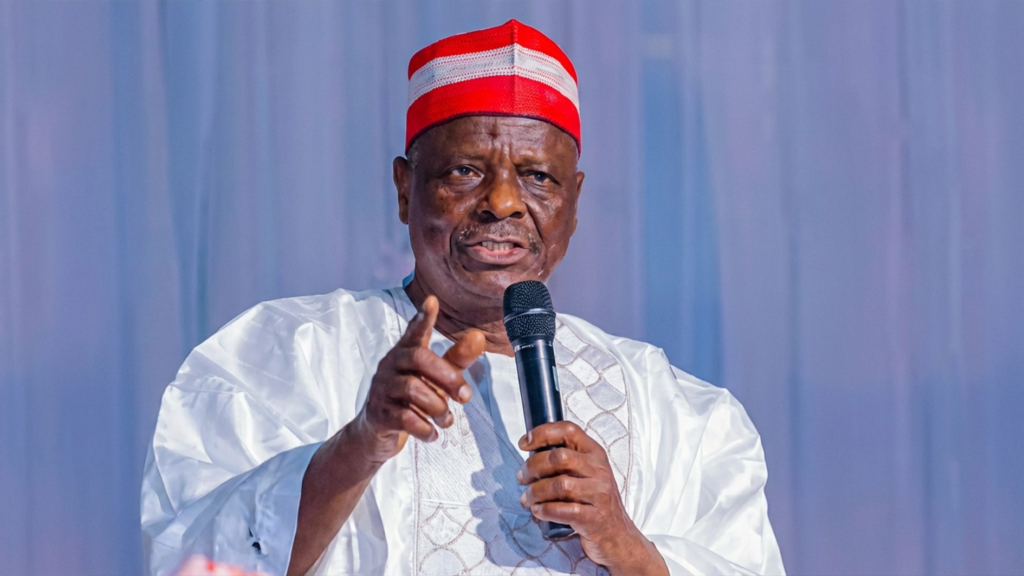
Nigerian political discussions move fast, but whenever a prominent figure from the North speaks out about power rotation, the entire country pauses to listen. Rabiu Musa Kwankwaso, a former governor of Kano State and the national leader of the New Nigeria People’s Party (NNPP), made a statement that continues to spark intense debate across political circles. His message was direct and clear: the North does not always have to produce Nigeria’s president.
At WhatsBuzzn, our mission is to break down major national stories and trending topics into plain, simple language that everyone can understand. Political decisions made in party offices and convention grounds in Abuja are not just abstract games played by politicians in formal robes. They directly shape government policies, food prices, fuel costs, job opportunities, and local security across every state in Nigeria.
When a politician who commands millions of dedicated supporters in Kano and across Northern Nigeria speaks openly about power rotation, it signals a potential shift in how the next presidential race could unfold. Why is Kwankwaso taking this position ahead of the 2027 general elections? What does it mean for the major political parties, opposition alliances, and everyday voters? Let us look at the details behind his statement and what it means for the country.
Who is Rabiu Kwankwaso and Why Does His Voice Matter?
Rabiu Musa Kwankwaso is one of the most recognizable and influential political figures in modern Nigerian history. He served two full terms as the governor of Kano State, served as a Federal Minister of Defence, and represented Kano Central Senatorial District in the National Assembly. Beyond holding official titles, he is the founder and leader of the Kwankwasiyya movement, a grassroots political group widely recognized by their signature red caps and deep voter loyalty throughout Northern Nigeria.
In the 2023 presidential election, Kwankwaso contested under the banner of the NNPP. Even though his party was relatively new on the national stage compared to older political structures, he gathered over 1.4 million votes nationwide, winning Kano State by a decisive margin. That election proved that Kwankwaso holds significant influence in one of Nigeria’s most populous and politically active states. Kano consistently registers high voter turnout numbers during national elections, making it a key battleground state for anyone seeking the presidency.
Build Funnels, Email Lists & Sell Online With One Free Tool
Create funnels, send emails, and sell online using Systeme.io without paying for multiple tools.
Create Free AccountFree forever • No credit card • Beginner-friendly
Because Kwankwaso controls such a solid political foundation, any position he takes on national leadership carries real weight. When a leader from a high-voter region suggests that power should not remain tied to regional dominance, rival politicians and political analysts take notice immediately.
What Did Kwankwaso Actually Say About Power Rotation?
Kwankwaso’s central argument focuses on fairness, governance quality, and national unity. For many years, political discourse in Nigeria has heavily revolved around regional identity—Northern groups wanting the presidency in the North, and Southern groups demanding power shift to the South.
Kwankwaso pointed out that simply having a president from one’s home region does not automatically guarantee development or prosperity for the people living there. He noted that Northern voters turned out in massive numbers in past election cycles to elect Northern leaders, yet many communities across the region continue to face severe poverty, educational gaps, and security concerns.
His perspective highlights two important points:
First, maintaining fairness and regional balance helps protect national harmony. When power rotates across different regions, it helps every part of Nigeria feel included in the governance of the nation. Supporting power rotation or showing willingness to back a candidate from another region helps build trust among diverse ethnic groups.
Second, the character, track record, and competence of a leader matter far more than where that leader was born. A president who lacks good governance skills will not solve economic or security issues, regardless of their state of origin. Conversely, an effective leader who builds roads, creates jobs, stabilizes the economy, and improves security benefits citizens in every part of the country.
As reported by major media outlets like Vanguard News, opposition parties are actively holding discussions about potential political alignments ahead of the next electoral cycle. Kwankwaso’s public willingness to support power rotation fits right into these ongoing discussions about how opposition coalitions might structure their presidential tickets.
The Debate in Nigerian Politics: Power Rotation vs. Competence
To fully grasp why Kwankwaso’s comments created so much interest, it helps to look at the two main viewpoints that dominate political debates in Nigeria today.
The Case for Regional Fairness and Zoning
Supporters of power rotation, commonly known as zoning, argue that it is vital for holding a diverse nation together. Nigeria has over 200 distinct ethnic groups spread across six geopolitical zones. Because of this diversity, zoning acts as an informal arrangement that ensures no single region holds total control over the presidency indefinitely.
Advocates argue that zoning reduces political tension, prevents political dominance by a single group, and gives every region a fair opportunity to lead. From this viewpoint, Kwankwaso’s declaration that the North must not always hold power reflects a commitment to political balance and national unity.
The Case for Competence and Leadership Performance
On the other hand, many citizens and political commentators argue that Nigeria’s core challenges require prioritizing competence over regional background. Economic difficulties, inflation, power outages, and unemployment do not discriminate based on region. High market prices affect a family in Kano, Kaduna, Enugu, or Lagos in the exact same way.
From this perspective, picking candidates strictly based on where they come from can sometimes exclude highly capable leaders who have clear solutions to the country’s problems. Critics of strict zoning believe that political parties should present candidates based on their vision, integrity, and ability to deliver real economic results.
Kwankwaso’s statement touches both sides of this debate. He acknowledges the need for regional equity while insisting that good performance must remain the ultimate goal of leadership.
What This Stance Means for the 2027 Political Chessboard
While the 2027 general elections may seem far away on the calendar, political strategic planning in Nigeria begins long before election day. Opposition figures recognize that entering a major election divided across multiple parties makes it much harder to challenge an incumbent ruling party like the All Progressives Congress (APC).
In recent months, political discussions involving leaders from the NNPP, the Labour Party, the African Democratic Congress (ADC), and factions of the People’s Democratic Party (PDP) have focused on possible coalitions or party mergers.
For any political alliance to succeed, the leaders involved must agree on key decisions, particularly who will run as the presidential candidate and who will take the vice-presidential position. If every political leader insists that the presidential ticket must go to their own region, negotiations reach a quick dead end.
By publicly stating that the North does not always need to produce the president, Kwankwaso creates valuable room for negotiation. It signals to potential coalition partners that he is willing to participate in flexible arrangements, party mergers, or joint tickets aimed at building a formidable political opposition.
How Technology and Digital Media Shape Modern Election Debates
Political conversations today look very different from how they did a decade ago. In the past, political news was largely shaped by traditional radio, print newspapers, and evening television broadcasts. Today, millions of young Nigerians follow political breaking news, watch full press conferences, and share their opinions instantly using digital platforms and smartphones.
Digital creators, news blogs, and social media channels play a major role in keeping citizens informed, checking facts, and giving everyday voters a platform to voice their thoughts.
If you are curious about how modern content creators use automated systems and digital video strategy to build news channels and grow online audiences, you can read our breakdown of YouTube automation strategies. Understanding these platforms helps you see how political messages and trending news stories spread so quickly across the web.
At the same time, technological advancements like artificial intelligence, big data, and voter analytics are changing how political parties organize campaigns, track voter trends, and communicate with the public. You can discover more about how technological changes are transforming modern industries by visiting our section on technology and AI developments.
Practical Ways Every Citizen Can Prepare for Upcoming Elections
As political leaders negotiate alliances, discuss zoning, and lay out their strategies for 2027, ordinary citizens do not have to sit quietly on the sidelines. Politics directly impacts the quality of public schools, roads, healthcare facilities, business environments, and general security.
Here are practical steps every citizen can take to stay engaged and prepared:
- Keep your voter registration updated: Ensure your Permanent Voter Card (PVC) is stored safely and verify your voting location well ahead of election day so you are fully prepared to cast your vote.
- Focus on practical policies instead of regional bias: Look closely at what candidates propose regarding economic growth, security measures, youth employment, and public infrastructure rather than focusing solely on their state of origin.
- Verify political information before sharing it: Misinformation and exaggerated claims increase during political cycles. Always cross-check news items with reliable sources before sharing posts on social media.
- Participate in civil community discussions: Share your perspectives respectfully, engage with local civic groups, and encourage fellow citizens to take voter participation seriously.
You can join our growing online community to discuss trending political updates, business insights, and lifestyle news. Connect with us directly on our Instagram page, follow our latest posts on Facebook, or join the daily conversational updates on X (formerly Twitter).
If you have questions, feedback, or a news story you would like to submit to our editorial team, feel free to drop us a message through our official contact page.
Frequently Asked Questions (FAQs)
What exactly did Rabiu Kwankwaso say about the 2027 presidency?
Rabiu Kwankwaso stated that Northern Nigeria does not always have to produce the country’s president. He explained that while regional fairness and political balance matter, finding competent leaders who can deliver good governance and improve the daily lives of citizens is what Nigeria needs most.
Which political party does Rabiu Kwankwaso lead?
Rabiu Kwankwaso is the national leader and main figurehead of the New Nigeria People’s Party (NNPP). He was formerly a high-ranking member of the People’s Democratic Party (PDP) and later the All Progressives Congress (APC) before leading the NNPP in the 2023 presidential election.
Build Funnels, Email Lists & Sell Online With One Free Tool
Create funnels, send emails, and sell online using Systeme.io without paying for multiple tools.
Create Free AccountFree forever • No credit card • Beginner-friendly
Why is Northern Nigeria so influential in presidential elections?
Northern Nigeria accounts for a significant portion of the country’s registered voters and routinely records high voter turnout numbers in states like Kano, Kaduna, and Katsina. Because candidate popularity in these high-density states can yield millions of votes, the support of Northern voters is a major factor in winning the Nigerian presidency.
What is political zoning in Nigeria?
Zoning is an informal political arrangement used by Nigerian political parties to rotate key elective offices, particularly the presidency, between the Northern and Southern regions of the country. The goal of zoning is to ensure balanced regional representation and prevent any single area from dominating federal power.
Are opposition parties forming a merger for the 2027 election?
Key figures from several opposition parties, including the NNPP, Labour Party, ADC, and PDP, have held informal discussions regarding possible alliances or mergers. However, official merger details and presidential ticket decisions are still being negotiated as the political landscape develops.
Statements like the one made by Rabiu Kwankwaso remind us that Nigerian politics is flexible and constantly shifting. While regional origin and zoning agreements will always be heavily debated topics during election seasons, what matters most to ordinary citizens is electing leaders who can deliver safety, lower living costs, and build a stable economy.
As the journey toward 2027 continues, paying attention to candidate proposals, staying informed, and evaluating political figures based on their track records will empower every voter to make choices that move the nation forward.
Kwankwaso Backs Move to Zone Presidency
This video provides direct coverage and political analysis of the opposition coalition’s discussions regarding power rotation and Kwankwaso’s support for regional zoning decisions ahead of 2027.
