
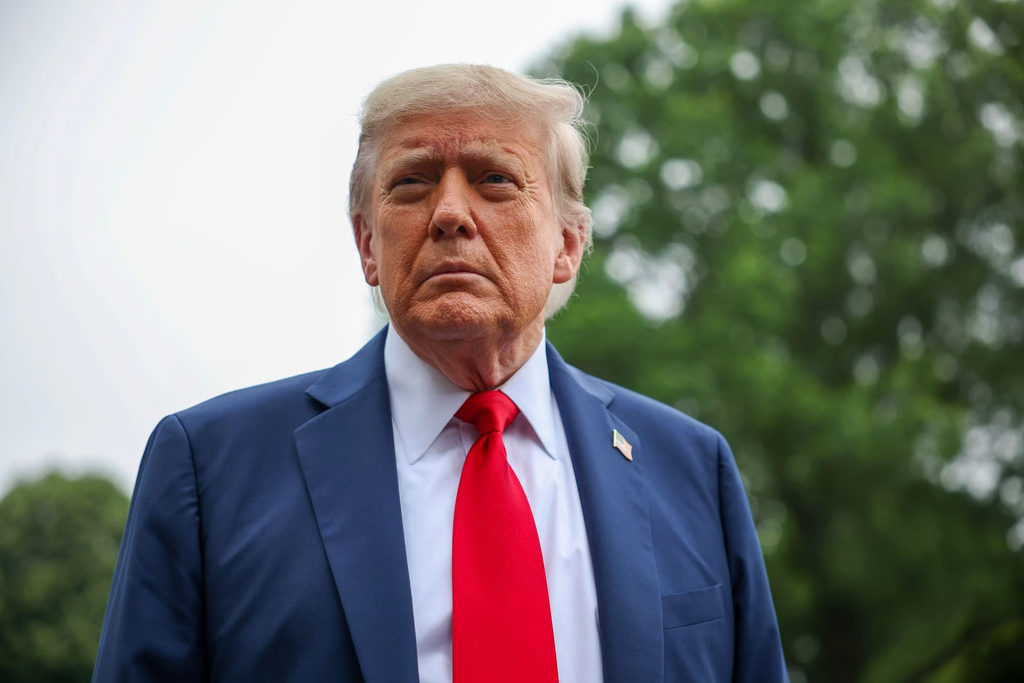
Global trade just took another sharp turn, and the ripple effects could hit your local market faster than you think. On November 25, 2026, the Donald Trump administration unveiled a fresh round of sweeping import taxes targeting 14 major global trading partners, including economic giants like China, the European Union, India, Japan, and South Korea. If you thought the trade wars of the past couple of years were finally cooling down, this announcement proves the White House is only getting started.
Following months of behind-the-scenes investigations by the Office of the United States Trade Representative, officials are moving forward with plans to slap new duties on billions of dollars worth of foreign goods. While the administration argues these taxes are necessary to protect American factories and punish unfair trade habits, global leaders are already pushing back. For everyday shoppers, business owners, and investors around the world, this latest move raises serious questions about rising prices, supply chain delays, and what happens next to the global economy.
What Exactly Are These New Trump Tariffs?
To understand why everyone is talking about this, it helps to look at the numbers on the table. A tariff is simply a tax that a government places on goods coming into the country from abroad. When a foreign company wants to sell electronics, clothes, or car parts in the United States, someone has to pay that extra tax at the border.
Under this new proposal, the Trump administration is targeting 14 key economies with specific import taxes. China faces the steepest penalty, with a proposed 20 percent tariff on a wide list of covered goods. Meanwhile, close American allies and major Asian manufacturing hubs—including the 27-nation European Union, Japan, South Korea, Taiwan, and Switzerland—are looking at tariff caps of around 15 percent. Several Southeast Asian and South Asian economies, such as Vietnam, Thailand, Indonesia, Malaysia, Cambodia, and Bangladesh, face caps up to 18 percent. India and Singapore are also squarely on the target list.
The Office of the United States Trade Representative released massive reports detailing what it calls unfair trade practices and excess industrial production in these regions. The report on China alone stretches to more than 450 pages. By laying out detailed evidence, the White House hopes these new rules will survive the tough court battles that derailed some of its earlier trade moves.
The $0 Secret To Launching Your Entire Online Empire
Why pay hundreds every month for separate software? Build funnels, send emails, and make sales with Systeme.io completely free.
Get Started For $0Free Forever • No Credit Card Needed • Beginner-Friendly
Why Is the White House Pushing New Tariffs Right Now?
This announcement did not happen in a vacuum. Back in February 2026, the United States Supreme Court struck down many of President Trump’s earlier broad global tariffs, ruling that the administration had overstepped its authority by using a national emergency law to tax imports. That court decision was a major setback for the White House’s signature economic policy.
Since that ruling, trade officials have been scrambling to rebuild their leverage using different legal tools. Instead of relying on emergency powers, the administration is now using Section 301 of the Trade Act of 1974. This older trade law allows the president to penalize foreign countries if an investigation proves they are using unfair practices that hurt American commerce.
There is also a strong political message behind the timing. Despite facing tough midterm election results earlier in the month, President Trump is signaling to his base and to foreign capitals that he will not back down from his “America First” trade agenda. By focusing on excess factory production abroad, the White House wants to stop foreign governments from flooding global markets with cheap, subsidized goods that make it hard for American companies to compete.
How Do These Rules Differ From Previous Trade Wars?
If you have been following the news since 2025, you might feel like you are experiencing déjà vu. However, trade experts point out a few major differences between this November 2026 proposal and the chaotic tariff rollouts of the past.
First, these new taxes are designed to replace certain older penalties rather than stack on top of them. According to senior administration officials, the proposed levies will not be added onto existing sector-specific tariffs, such as the separate taxes already placed on imported steel, aluminum, and automobiles. They also will not stack on top of the forced-labor tariffs announced back in July 2026. Because they act more like a legal replacement for the tariffs struck down by the Supreme Court, financial markets reacted calmly when the news broke, with stocks in Europe and Asia even seeing modest gains.
Second, the White House is leaving room for ongoing negotiations. U.S. Trade Representative Jamieson Greer noted that the proposed caps line up with bilateral trade frameworks the United States signed with partners like the European Union, Indonesia, and Malaysia over the past year. Moreover, the tariffs will not take effect overnight. Officials have scheduled a public hearing for January 25, 2027, giving businesses, consumers, and foreign diplomats a two-month window to argue their cases before any new taxes are collected at the border.
How Will This Affect Everyday Shoppers and Global Consumers?
Even though these taxes are collected at American borders, the financial shockwaves rarely stay inside the United States. When the world’s largest economy changes the rules of trade, everybody feels it eventually.
For American shoppers, tariffs almost always lead to higher price tags at the store. Despite political claims that foreign countries pay these taxes, the reality is that American importing companies pay the bill when cargo ships arrive at U.S. ports. Those companies rarely absorb the full cost themselves. Instead, they pass the extra expense along to everyday consumers through higher prices on smartphones, clothing, shoes, furniture, and groceries. Recent data from the Bureau of Economic Analysis already shows consumer inflation ticking upward, and fresh import taxes could keep prices elevated well into next year.
For people living outside the United States—including consumers and business owners in Nigeria and across Africa—the impact is indirect but very real. When giant exporters like China, Vietnam, and the European Union face steeper barriers to selling their goods in America, they have to find new buyers for their extra inventory.
In the short term, this could mean a flood of cheaper electronics, textiles, and machinery heading toward markets in Africa, Asia, and Latin America as manufacturers try to clear out their warehouses. While lower prices sound great on paper, a sudden wave of cheap imports can hurt local factories and small businesses that cannot compete with heavily discounted foreign goods. At the same time, if trade tensions slow down global economic growth, demand for raw materials and energy can drop, affecting currencies and government budgets worldwide.
Are Other Countries Going to Fight Back?
Whenever Washington raises tariffs, the biggest question is always how other capitals will respond. History shows that major economies rarely accept new trade taxes without hitting back.
The European Union was quick to express frustration over the latest announcement. European trade officials noted that they had already signed a joint trade agreement with the White House in August 2025 to keep tariffs capped and avoid this exact kind of friction. While Brussels says it will keep talking with Washington to protect that deal, European leaders have a long list of American products—from agricultural goods to luxury items—ready for retaliatory taxes if talks break down.
China, which faces the heaviest burden under the new proposal, is also weighing its options. Over the past year, Beijing and Washington have gone through cycles of steep tariff hikes, temporary pauses, and tense negotiations. When the U.S. previously raised duties on Chinese goods, Beijing responded by taxing American farm exports and tightening controls on critical minerals and rare-earth metals needed for modern tech manufacturing. Meanwhile, the U.S. is also running separate trade investigations into Mexico and Norway, meaning even more countries could be pulled into the crossfire soon.
What Should Small Business Owners Do Right Now?
If you run a business that relies on imported goods, international shipping, or cross-border sales, waiting until the last minute to react is a risky move. Even if your business is not based in the United States, global shipping routes and supplier prices are tightly connected.
Here are a few practical steps you can take right now to protect your bottom line:
Send, Spend & Hold Money Worldwide Without Hidden Fees
Transfer money internationally at the real exchange rate and hold 40+ currencies in one account.
Open a Wise AccountMid-market rate • Fast transfers • 40+ currencies
- Audit your supply chain: Find out exactly where your products and raw materials are made. Even if you buy from a local distributor, their prices will go up if their upstream suppliers get caught in a tariff dispute.
- Talk to your suppliers early: Reach out to your manufacturing partners to ask how they plan to handle upcoming trade shifts. Many factories in Asia are already shifting production lines to different countries to avoid targeted tariffs.
- Build a small cash buffer: Trade policies can change with a single announcement. Keeping a little extra cash on hand helps you buy inventory early before price hikes kick in, or weather temporary shipping delays without stalling your operations.
- Watch currency swings: Major trade announcements often cause the U.S. dollar to fluctuate against local currencies. If you pay for international goods in dollars, keep a close eye on exchange rates so you can time your payments wisely.
Will Legal Battles Stop These Tariffs Before They Start?
Just because the White House proposes a tariff does not mean it will automatically happen. Over the last two years, business groups, state governments, and trade associations have aggressively sued the administration to block new import taxes.
In August 2026, several U.S. states filed a major lawsuit challenging the administration’s forced-labor tariffs on 60 trading partners, arguing the government failed to provide solid proof for such widespread penalties. Trade lawyers expect similar lawsuits to target this new batch of Section 301 tariffs as soon as they are finalized.
Because the law requires the government to prove specific unfair trade practices for each country on the list, courts will closely examine the USTR’s 450-page reports. If judges decide the administration cut corners or stretched the law too far, these new tariffs could end up frozen in court just like the earlier ones.
Frequently Asked Questions (FAQs)
When will the new Trump tariffs actually start?The tariffs are currently in the proposal stage. The Office of the United States Trade Representative has scheduled a public hearing for January 25, 2027. No new taxes under this specific announcement will be collected until after that hearing is completed and final rules are published.
Which countries face the highest tax rates under this plan? China faces the highest proposed rate at 20 percent on covered goods. Southeast and South Asian nations like Vietnam, Thailand, Indonesia, Malaysia, Cambodia, and Bangladesh face caps up to 18 percent, while the European Union, Japan, South Korea, Taiwan, and Switzerland face caps around 15 percent.
Do these new tariffs add onto existing taxes on cars and steel? No. Administration officials confirmed that these new duties are targeted at specific products and will not stack on top of existing tariffs on steel, aluminum, automobiles, or forced-labor goods.
Why did the Supreme Court strike down Trump’s earlier tariffs?In February 2026, the Supreme Court ruled that the president could not use a national emergency law to impose broad, sweeping tariffs on almost every country in the world without clearer permission from Congress. That ruling forced the White House to switch to Section 301 trade investigations instead.
How can businesses share their opinion before the tariffs take effect?Because the administration is using Section 301, American businesses, trade groups, and members of the public can submit written comments and sign up to testify at the official USTR public hearing scheduled for January 2027.
What Comes Next for Global Trade?
The next two months will be a critical testing ground for the global economy. Between now and the January 2027 public hearings, diplomats from Europe and Asia will be working overtime in Washington to negotiate exemptions, lower caps, or fresh trade deals. At the same time, major retailers and manufacturers will be lobbying the White House to keep everyday consumer goods off the final tariff lists.
Whether these proposals turn into permanent border taxes or serve as a bargaining chip for new trade agreements, one thing is clear: the era of predictable, low-tariff global trade is over. Staying informed and keeping your finances flexible is the best way to navigate whatever surprises come next.
The $0 Secret To Launching Your Entire Online Empire
Why pay hundreds every month for separate software? Build funnels, send emails, and make sales with Systeme.io completely free.
Get Started For $0Free Forever • No Credit Card Needed • Beginner-Friendly
