
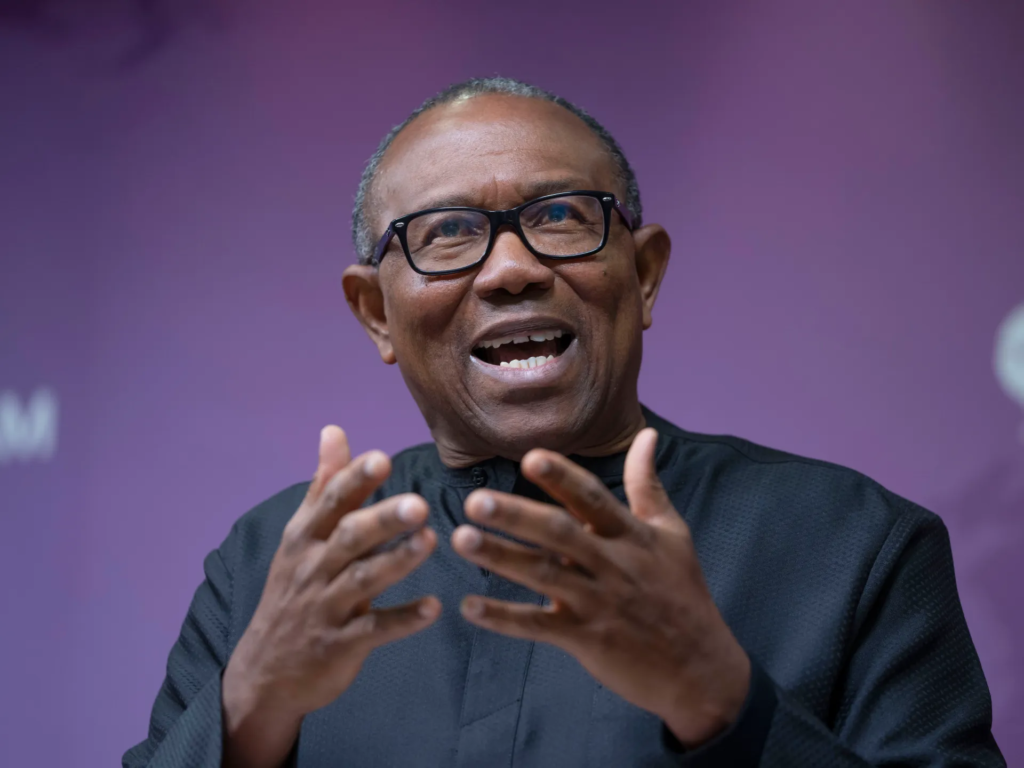
Here is the situation straight to the point: Peter Obi, the former presidential candidate and leader in the opposition, has publicly stated that President Bola Ahmed Tinubu is tired and lacks the capacity to fix Nigeria’s major challenges. Speaking during a television interview, Obi argued that the president should step down and be allowed to retire in peace so that someone with fresh energy can lead the nation.
This statement has sparked widespread conversation across the country. At WhatsBuzzn, we break down trending stories like this so you can stay informed without having to wade through confusing political language. Here is a clear breakdown of what was said, why it matters, and how different sides are reacting.
The Interview That Triggered the Headline
During an appearance on Sunday Politics on Channels Television, Peter Obi offered a direct evaluation of President Tinubu’s performance in office. Obi noted that while Tinubu achieved notable success as the governor of Lagos State decades ago, leading the entire country today is a completely different challenge.
Obi shared his perspective openly: “The Bola Tinubu that was governor is not the one that is president today. He’s tired. He should be allowed to retire in peace, and then go home”.
He explained that Nigeria is currently on the wrong track and requires a leader who has the physical vitality, clear vision, and total commitment to address deepening economic and security struggles. According to Obi, the current administration is leading citizens nowhere, and a change in leadership is necessary to reverse the country’s fortunes.
Build Funnels, Email Lists & Sell Online With One Free Tool
Create funnels, send emails, and sell online using Systeme.io without paying for multiple tools.
Create Free AccountFree forever • No credit card • Beginner-friendly
Breaking Down Obi’s Main Arguments
Peter Obi’s comments were not limited to a single phrase. He pointed to several specific issues currently affecting millions of Nigerian families.
1. Economic Hardship and Poverty Statistics
Obi emphasized that public discussions should focus on the actual living conditions of citizens rather than political posturing. He pointed out recent data from international organizations like the World Bank showing that a vast majority of the population is facing severe poverty.
With basic food items, transport fares, and household items becoming increasingly expensive, Obi noted that millions of people are struggling just to get by every day. He argued that any government’s success must be measured by how easily citizens can afford basic needs like food, health care, and housing.
2. Rising Insecurity and Community Safety
Safety remains a major concern across several states. Obi cited recent mass abductions in Zamfara State, where dozens of people were taken from their homes within days, causing entire communities to flee.
He argued that insecurity cannot be solved simply by making promises or spending money without addressing root causes like widespread poverty and out-of-school children. In his view, securing lives and property requires a hands-on president who is ready to take personal responsibility for public safety.
3. Education and Out-of-School Children
Obi raised concerns about the high number of children who are not attending school. He stated that money lost through corruption or spent on unnecessary administrative items should instead be directed into public schools and health facilities. Investing in basic education, he argued, is the most effective long-term strategy for reducing crime and growing the economy.
How the Presidency and Government Supporters Responded
As expected, statements of this nature quickly drew a strong reaction from the government. Representatives from the administration dismissed Obi’s comments as an unnecessary political distraction.
Official statements from the State House emphasized that Nigeria operates a presidential system with fixed four-year terms. Government spokespersons maintained that President Tinubu was validly elected and is actively working through difficult, necessary reforms to rebuild the economy.
Supporters of the government highlighted several ongoing programs:
- Major structural economic adjustments intended to stabilize national finances over time.
- The rollout of Compressed Natural Gas (CNG) initiatives designed to reduce transport costs.
- Student loan programs created to ensure tertiary students can fund their education without interruptions.
- Ongoing military operations aimed at neutralizing security threats across regions.
Government officials maintain that repairing decades of structural problems takes patience, and they urge citizens to give the current policies time to produce positive results.
Why Energy and Physical Fitness Matter in Modern Governance
The debate over a leader’s age and energy level is not unique to Nigeria, but it carries extra weight in a nation where over half the population is young. Citizens increasingly want leaders who can keep up with the fast pace of modern economic demands, technological change, and global competition.
In today’s digital era, political news spreads almost instantly across online channels. Content creators, analysts, and everyday citizens use online media to track government performance in real time. If you want to understand how modern digital platforms and content creation models operate, check out our insights on YouTube automation trends and stay informed on how technology is shaping public communication through our guides on technology and AI developments.
Public reactions to Obi’s statement continue to flood social media platforms. Join the ongoing discussion and share your thoughts on our community pages on Instagram, follow our latest updates on Facebook, or join the trending debate on X (formerly Twitter).
What This Discussion Means for Nigeria’s Political Future
Peter Obi’s call for President Tinubu to step aside marks an important point in the political conversation leading up to future elections. It highlights two fundamental views on governance currently present in the country:
- One view holds that the current administration is taking tough but necessary steps that require time to bear fruit.
- The opposing view argues that the current approach is causing too much hardship and that fresh leadership with new energy is needed immediately.
As citizens listen to both sides, the focus remains on measurable results: lower food costs, safer streets, better schools, and stable jobs.
If you have news tips, feedback on this story, or topics you want us to cover next, reach out directly to our team on our Contact page.
Frequently Asked Questions (FAQs)
What exactly did Peter Obi say about President Bola Tinubu?
Peter Obi stated during a television interview that President Bola Tinubu is tired, lacks the capacity to fix Nigeria’s economy and security challenges, and should be allowed to retire in peace.
Where did Peter Obi make these remarks?
Obi made these remarks during a live interview on the program Sunday Politics broadcast on Channels Television.
How did the Presidency respond to Peter Obi’s statement?
The Presidency described Obi’s remarks as childish and a political distraction, stating that President Tinubu was elected for a fixed term and is implementing long-term reforms to improve the country.
What main problems did Peter Obi highlight in his interview?
Obi highlighted rising poverty rates, high inflation, severe security issues including mass abductions, and a high number of out-of-school children.
Why is the leader’s energy level a topic of debate?
Nigeria has a very young population, and many citizens believe the country’s complex economic and security issues require a leader with high energy and hands-on involvement.
Political conversations like this highlight the ongoing push for accountability in public office. As the debate continues across online spaces and everyday gatherings, citizens will keep watching closely to see whether government policies deliver real improvements to daily life or if calls for leadership change gain even greater momentum across the country.
Channels Television report on Peter Obi’s interview
This video provides the direct broadcast clip where Peter Obi shares his perspective on national leadership and governance challenges during his interview on Channels Television.
