
Politics and religion are two topics people love to argue about. When you bring them together, the conversation gets even more intense.
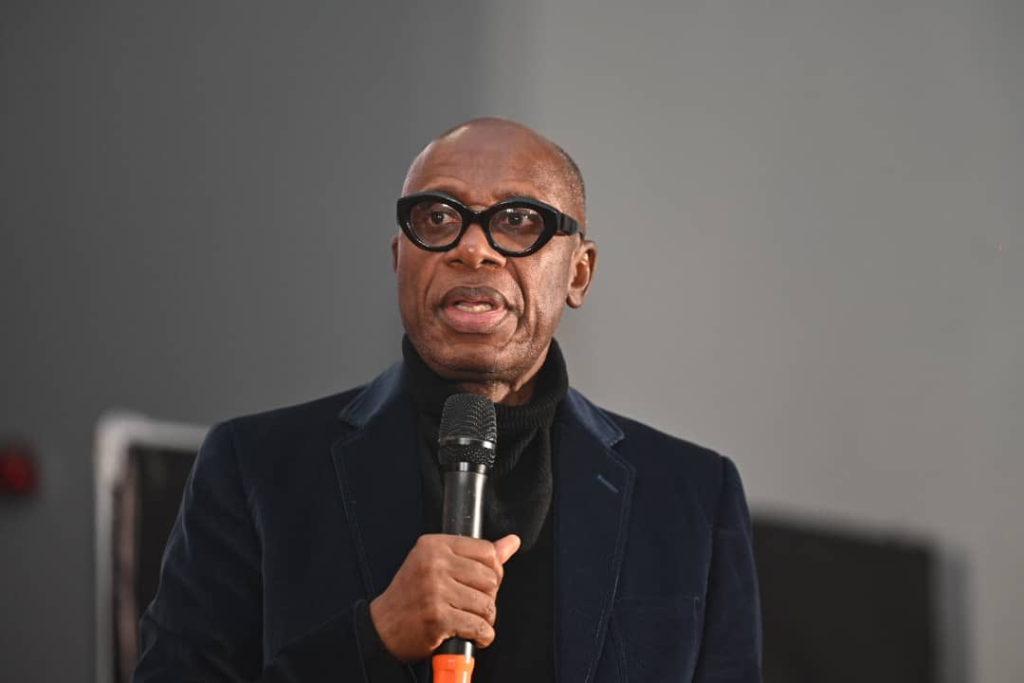
Recently, a very popular Nigerian politician made a comment that caught the attention of the whole country. Rotimi Amaechi, a former governor and former minister, stated clearly that religious leaders have every right to criticize the government.
This simple statement, reported by news outlets like TheCable, sparked a massive debate. Some people agreed with him immediately. Others felt that pastors and imams should stick to praying and leave politics alone.
We want to break down what he meant, why he said it, and why it matters to everyday citizens. Politics can sometimes feel complicated, but the basic idea here is very simple. We will look at the role of religious leaders in our society and how their voices can help bring positive change to the country.
Understanding the Background: Who is Rotimi Amaechi?
Before we talk about the statement itself, we need to understand the person who said it. Rotimi Amaechi is not a new face in Nigerian politics. He has been in the system for many decades.
The $0 Secret To Launching Your Entire Online Empire
Why pay hundreds every month for separate software? Build funnels, send emails, and make sales with Systeme.io completely free.
Get Started For $0Free Forever • No Credit Card Needed • Beginner-Friendly
He served as the Governor of Rivers State for eight years. After that, he served as the Minister of Transportation under the federal government. Because of his long history in public office, he understands exactly how the government works. He knows the pressure that leaders face, and he knows how citizens react to government policies.
When someone with this much inside experience speaks about government criticism, people listen. He is not an outsider guessing how things work. He has been on the receiving end of public anger and public praise. His belief that the government should accept criticism from religious groups carries a lot of weight.
The Core Message: Breaking Down the Statement
What exactly was the point Amaechi was trying to make? The message is actually very clear. Religious leaders are citizens of the country first. Before they became pastors, priests, or imams, they were human beings living in the society.
Because they live in the society, they go to the same markets. They pay the same electricity bills. They buy the same fuel. When the economy is difficult, they feel the exact same pain that everyone else feels.
Amaechi believes that having a religious title does not take away your right to speak about the condition of the country. A leader in a church or a mosque has a platform. They have a microphone and an audience. If they see that the government is making mistakes or failing the people, they have a right to point it out.
Many politicians get very angry when religious figures speak out. They tell them to focus on spiritual matters. Amaechi is taking a completely different path. He is reminding his fellow politicians that feedback is necessary, no matter who it comes from.
The Heavy Burden on Pastors and Imams
To really understand why religious leaders speak out, you have to look at what happens in their daily lives. In this part of the world, religious centers are more than just places of worship. They are community centers. They are places of hope.
The First Line of Defense
When people lose their jobs, they go to their religious leaders for counseling and financial help. When people cannot pay their rent, they run to the church or the mosque for support. When the cost of food goes up, the poor and hungry look to their places of worship for charity.
Religious leaders carry a massive burden. They see the real-life suffering of the common man up close. They hear the cries of the people every single week.
Becoming the Voice of the Voiceless
Because they see this suffering constantly, it is almost impossible for them to stay quiet. If a religious leader sees their congregation starving because of a bad government policy, they will naturally want to defend their people.
They become the voice for those who do not have the power to speak to the president or the governor. When they stand on the altar or the pulpit to criticize the government, they are usually just repeating the cries of their members. Amaechi seems to understand this deep connection between the religious leaders and the ordinary citizens.
Why Politicians Usually Dislike Criticism
If it makes so much sense for religious leaders to speak the truth, why do many politicians hate it? The answer is simple. No one likes to be told they are doing a bad job.
Government officials often want the public to focus only on their achievements. They want the media to broadcast the new roads they built or the new hospitals they opened. When someone with a loud voice points out the high unemployment rate or the lack of security, it makes the government look bad.
Religious leaders have a lot of influence. If a popular pastor or imam says the government is failing, thousands or even millions of people will agree with them. This can make politicians lose votes. It can make them lose the trust of the public.
Because of this fear, many people in power try to silence religious voices. They accuse them of mixing religion with politics. Amaechi’s comment is refreshing because it shows a politician who is willing to accept that criticism is a normal part of democracy.
Send, Spend & Hold Money Worldwide Without Hidden Fees
Transfer money internationally at the real exchange rate and hold 40+ currencies in one account.
Open a Wise AccountMid-market rate • Fast transfers • 40+ currencies
The Digital Age: How Sermons Go Viral Now
Things have changed drastically in the last few years. In the past, if a religious leader criticized a governor, only the people sitting inside the building heard it. Today, the world is completely connected.
When a cleric speaks out about corruption or bad roads, someone in the audience records it with their phone. Within minutes, that video is uploaded to the internet. It spreads across social media platforms.
People now build massive online communities by sharing these clips. Some people even create dedicated channels just to discuss and analyze these viral moments. If you want to understand how people build successful channels around trending video clips without showing their faces, you can read more in our YouTube Automation section.
This digital spread means the government can no longer hide from public opinion. The algorithms push these critical videos to millions of screens. The intersection of modern systems and daily news is changing how we hold leaders accountable. You can learn more about how algorithms and modern tools shape what we see online by reading our articles on Technology & AI.
Because these messages spread so fast, politicians have no choice but to listen. The internet has given ordinary citizens and their religious leaders a global microphone.
The Responsibility of Every Citizen
While it is great that people like Rotimi Amaechi support the rights of religious figures, the work does not end there. We cannot just wait for pastors and imams to do all the talking.
Every single citizen has a voice. We all have a role to play in making the society better. Holding the government accountable is a group effort.
Speaking Up in Your Community
You do not need a massive platform to make a difference. You can start in your local community. Ask questions about local projects. Talk to your neighbors about the changes you want to see.
Voting and Civic Duty
Criticism is good, but action is better. The most powerful way to speak to the government is through the ballot box. Participating in elections is how you hire and fire leaders. When citizens know their rights, the government is forced to sit up and do the right thing.
The beauty of a democracy is that freedom of speech is guaranteed for everyone. It does not matter if you are a market trader, a student, a tech worker, or a religious leader. If things are not going well, you have the absolute right to demand better service from the people in power.
The $0 Secret To Launching Your Entire Online Empire
Why pay hundreds every month for separate software? Build funnels, send emails, and make sales with Systeme.io completely free.
Get Started For $0Free Forever • No Credit Card Needed • Beginner-Friendly
Staying Informed with Whatsbuzzn
At Whatsbuzzn, we believe that information is power. The more you know about what is happening in the country, the better decisions you can make. We built this platform for curious minds who want to keep a finger on the pulse of what is happening around the world.
Our goal is simple. We want to deliver information that matters in a way that is interesting and easy to understand. We cover everything from breaking political events to the latest trends in technology.
If you want to know more about our mission and how we source our stories, you can easily check out the About Us page. We always love hearing from our readers. If you have a story idea, feedback, or just want to connect with the team, feel free to visit our Contact Us page.
You can also join our growing community online. We post daily updates, viral stories, and engaging content across all our social media platforms. Follow us to make sure you never miss an important update:
- Connect with us on Instagram: https://www.instagram.com/whatsbuzznnigeria/
- Join our community on Facebook: https://web.facebook.com/whatsbuzznNigeria/
- Follow our updates on X: https://x.com/whatsbuzznng
Frequently Asked Questions (FAQs)
Did Rotimi Amaechi actually say this?
Yes. His comments were reported by reputable news outlets, including TheCable. He made the statement while discussing the relationship between the government, the citizens, and religious institutions. He was very clear about his stance on the right to free speech.
Can religious leaders be arrested for criticizing the government?
In a true democracy, freedom of speech is protected by the constitution. A person cannot be arrested simply for saying the government is performing poorly. However, the law does not protect hate speech or statements that encourage violence. As long as the criticism is peaceful and focuses on governance, it is entirely legal.
Why is religion so important in Nigerian politics?
Nigeria is a deeply religious country. A large majority of the population attends church or mosque regularly. Because of this, religious leaders have a massive amount of influence over how people think and vote. Politicians know this, which is why they often visit religious centers during election campaigns to seek support.
What is Whatsbuzzn.com all about?
Welcome to whatsbuzzn.com, your go-to destination for staying informed, inspired, and entertained. We are a viral magazine-style blog built for curious minds who want to keep a finger on the pulse of what is happening around the world. At our core, we publish engaging articles on trending topics across multiple industries. Our goal is to deliver information in a way that is interesting and accessible for everyone.
Should religion and politics mix?
This is a debate that has gone on for centuries. Some people believe they should be kept completely separate. Others believe that because religious leaders guide the morals of the society, they must speak out when political leaders act immorally or unfairly. There is no perfect answer, but the reality is that the two will always intersect.
Conclusion
The conversation sparked by Rotimi Amaechi is a very important one. It forces us to think about who has the right to speak up in our society. The simple truth is that everyone has that right.
When a leader performs poorly, the effects are felt by everyone, regardless of their religious beliefs. The price of food does not care if you are a Christian or a Muslim. The lack of good roads affects the pastor and the common man exactly the same way.
By supporting the right of religious leaders to criticize the government, Amaechi is reminding us of a basic democratic principle. Leaders must be open to feedback. They must be willing to hear the harsh truth.
When those who have platforms use their voices to fight for the common man, the country moves forward. It is a reminder that the pulpit is not just a place for prayers. It is also a place for speaking truth to power. We hope this explanation helps you understand the situation better. Let us all continue to stay informed, ask the right questions, and work together for a better society.
