
If you have stepped into a local market lately or paid for food at a neighborhood shop, you already know that times are tough in Nigeria. Prices keep climbing, making simple meals feel like luxury purchases for millions of families. At the same time, concerns about safety make everyday activities feel risky.
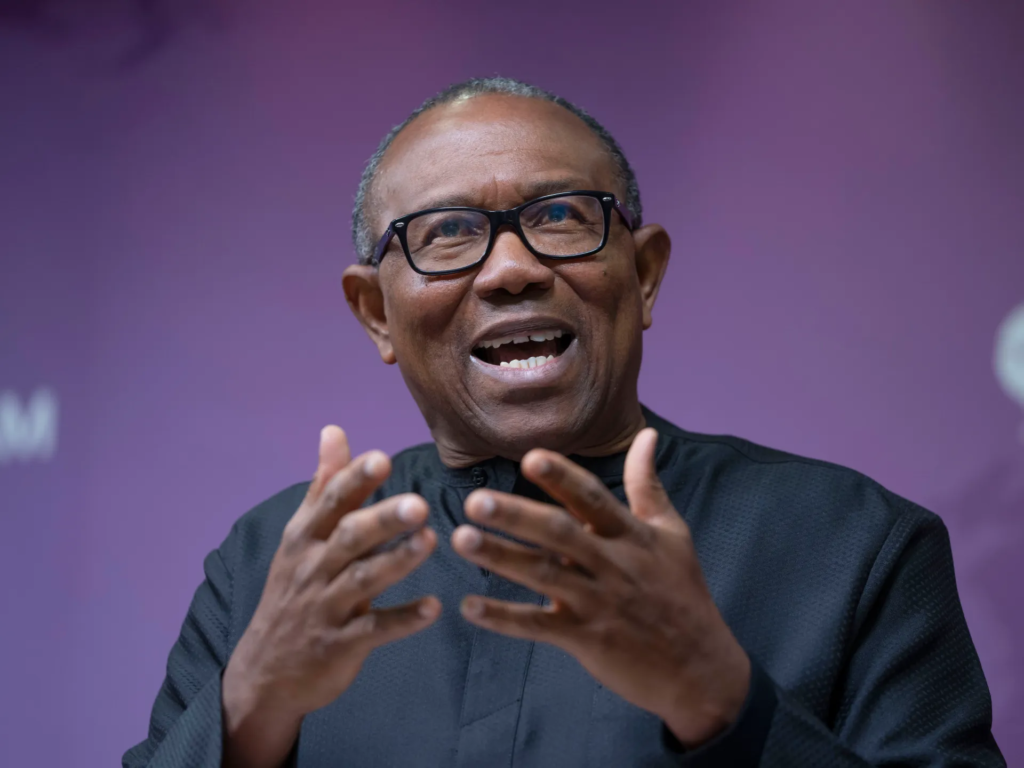
Former Anambra State Governor and prominent political leader Peter Obi recently spoke directly about these challenges. While attending a public event in Ebonyi State, he stated that Nigerians across the entire country are currently dealing with severe hunger, widespread security problems, and constant daily pressure under President Bola Ahmed Tinubu’s government.
Obi pointed out that the hardship is no longer just a political debate between rival parties. Instead, it has become a daily reality affecting regular citizens in every state and village.
At Whatsbuzzn, our mission is to break down major national developments so you can understand what is happening in the world around you. In this article, we will take a close look at what Peter Obi said, why his words resonate with so many people, and what these growing challenges mean for the future of the nation.
The Gathering in Ebonyi State: What Sparked the Conversation?
The statements were made during a visit to Onicha Local Government Area in Ebonyi State. Obi was attending the funeral service of late Okaji Simon Okorie Abaa, father of Hon. Linus Okorie.
The $0 Secret To Launching Your Entire Online Empire
Why pay hundreds every month for separate software? Build funnels, send emails, and make sales with Systeme.io completely free.
Get Started For $0Free Forever • No Credit Card Needed • Beginner-Friendly
While the event was meant to pay final respects to a respected community leader, journalists gathered at the venue asked Obi about the political climate in the country. Specifically, reporters questioned him about reports of political harassment directed at opposition figures and their supporters.
Instead of focusing only on political rivalries, Obi broadened the conversation to highlight what ordinary citizens experience every single morning.
He explained that while political figures often complain about political harassment, the bigger issue is that basic living conditions have become unbearable for the general public. In his view, the real harassment happening in Nigeria today comes in the form of empty stomach and rising safety threats.
“Hunger Is Harassing Everybody”: Breaking Down Obi’s Core Message
One phrase from Obi’s interaction with reporters instantly caught national attention: “Hunger is harassing everybody.”
Obi stressed that economic trouble does not care about political party affiliations, ethnic groups, or religious backgrounds. Whether someone voted for the ruling party or the opposition, the cost of rice, garri, beans, and cooking oil hits everyone the same way.
“For me, every Nigerian is already being harassed, not just my supporters,” Obi noted during the interview. “Hunger is harassing everybody. The worsening economic situation is affecting everyone. Go to any village, and you will see that people are suffering. It is time for Nigerians to tell those governing us that enough is enough.”
This direct statement highlights a key truth:
- Poverty does not select sides: High inflation affects all households regardless of who they supported during elections.
- Rural areas are feeling the pinch: Village communities that traditionally relied on cheap local farming now struggle because input costs like fertilizer and transport have skyrocketed.
- The middle class is shrinking: Families that were comfortable a few years ago are now cutting back on essential goods just to get by.
The Economic Reality: What the Numbers Tell Us
Obi’s remarks align closely with economic data released by global financial institutions. During his speech, he referenced recent findings from international observers regarding poverty trends in Nigeria.
Reports from organizations like the World Bank indicate that poverty levels have risen significantly over recent years due to high inflation, fuel subsidy removal, and currency devaluation.
Obi noted that while official figures show poverty climbing sharply, ordinary people do not even need complex statistical charts to understand the situation. Anyone who visits local markets or speaks with neighbors can see the burden clearly.
Key Factors Driving High Living Costs: + Fuel Price Adjustments -> Drives up transport fares for food items + Currency Fluctuations -> Increases the cost of imported goods and machinery + High Inflation Rates -> Reduces purchasing power for wage earners + Farm Supply Disruptions -> Limits available local food supplies
When fuel prices increase, transport workers must charge higher rates to move farm produce from rural areas to city markets. That cost is passed directly to shoppers. As a result, even locally grown food becomes too expensive for many households.
Insecurity and Food Supply: Why Farming Has Become Harder
You cannot separate hunger from security issues. Nigeria’s agricultural sector relies heavily on smallholder farmers across different regions. However, widespread security threats have made farming extremely dangerous in many parts of the country.
When farmers cannot work their fields safely due to fear of attack or extortion, food production drops dramatically. Less food in the markets naturally drives prices up.
Obi emphasized that tackling hunger requires fixing security first. If farmers can safely return to their lands without fear, food output will increase, helping to naturally bring down market costs.
Send, Spend & Hold Money Worldwide Without Hidden Fees
Transfer money internationally at the real exchange rate and hold 40+ currencies in one account.
Open a Wise AccountMid-market rate • Fast transfers • 40+ currencies
How Insecurity Impacts Everyday Life:
- Reduced Harvests: Farmers abandon fields in high-risk zones, leading to smaller harvests nationwide.
- Interstate Transport Risks: Drivers transporting food face safety risks along key highways, driving up haulage prices.
- Local Market Closures: Rural markets in affected zones operate irregularly, cutting off local supply networks.
Political Harassment vs. Public Suffering
During his speech, Obi addressed accusations of political intimidation against opposition members. While acknowledging that political friction exists, he argued that discussing political disputes misses the main point if it ignores the general population.
He explained that focusing only on party politics separates leaders from the actual concerns of the people. When citizens struggle to afford two meals a day, their primary concern is survival, not political debates.
Obi pointed out that advocating for meaningful political and economic reforms requires great courage in the current environment. Leaders and citizens who voice concerns are stepping up to demand better governance for the collective good.
The 2027 Outlook: Elections, Electoral Commissions, and Citizen Action
With discussions already turning toward future elections, journalists asked Obi about his level of confidence in electoral institutions, such as the Independent National Electoral Commission (INEC).
His response shifted the focus away from government agencies and onto the power of ordinary citizens.
“It is not really about confidence in INEC; it is about having confidence in the people,” Obi asserted. “The people will determine what INEC does. If Nigerians insist that their votes must count, then their votes will count.”
He encouraged Nigerians to ask fundamental questions about the future:
- What kind of country are we building for the next generation?
- Can the current economic approach produce lasting prosperity?
- How can citizens use their constitutional rights to demand better results?
Obi stated that public participation is the ultimate check on political authority. When people remain engaged and united in demanding fair practices, leadership becomes more accountable.
How Everyday Nigerians Are Adapting to Economic Strain
Across cities and rural areas alike, people are finding practical ways to cope with rising costs. While the situation is challenging, the resilience of everyday citizens remains clear.
Here are some common ways people are adjusting their routines to manage their finances better:
The $0 Secret To Launching Your Entire Online Empire
Why pay hundreds every month for separate software? Build funnels, send emails, and make sales with Systeme.io completely free.
Get Started For $0Free Forever • No Credit Card Needed • Beginner-Friendly
- Bulk Buying Partnerships: Neighbors and friends pool money together to buy staple items like rice or flour in large sacks, sharing the goods to save money.
- Starting Home Gardens: Families with small compound space grow vegetables like fluted pumpkin (ugu), tomatoes, and peppers to lower weekly grocery bills.
- Exploring Digital Work: Young adults are looking into online opportunities to earn income in foreign currencies or build digital businesses.
If you are interested in exploring how modern digital tools and platform management can help create new earning channels, check out our guides on YouTube Automation to learn about content creation opportunities.
The Impact of Technology and Information in Modern Nigeria
Today, news spreads faster than ever before. Social media platforms, online newspapers, and digital community blogs keep citizens informed about economic trends, policy updates, and civic rights.
As technology continues to reshape how we access information, staying informed is critical. Modern tools allow citizens to track public spending, review government statements, and hold leaders accountable in real time.
For readers interested in how innovation is changing daily life and business across Africa, explore our articles on Technology & AI to stay ahead of digital trends.
What Needs to Change? Key Steps for Recovery
Solving Nigeria’s economic and security challenges requires practical actions rather than endless debate. Political observers and economic analysts generally agree on several steps that could help ease the pressure on everyday citizens:
1. Direct Support for Local Farmers
Giving farmers access to affordable inputs, security support, and modern equipment can quickly boost local food production and bring market prices down.
2. Reducing the Cost of Governance
Trimming unnecessary administrative spending shows that leadership shares in the economic sacrifices asked of citizens. Redirecting funds toward healthcare, education, and public infrastructure creates real value.
3. Strengthening Regional Security
Ensuring secure travel routes and protecting rural farming communities will restore business confidence and encourage local trade.
4. Transparent Communication
Keeping the public updated with clear, honest reports on economic recovery plans builds trust between the government and the population.
Stay Connected with Whatsbuzzn
At Whatsbuzzn, we bring you clear, straightforward breakdowns of trending news, culture, business, and technology.
Want to keep up with the latest updates and join the conversation? Follow our official social media handles:
- Connect with us on Facebook
- Follow our latest posts on Instagram
- Join the live discussion on X (Twitter)
If you have questions, story tips, or feedback for our editorial team, feel free to visit our Contact Page to get in touch directly.
Frequently Asked Questions (FAQs)
What main points did Peter Obi raise regarding Tinubu’s administration?
Peter Obi stated that worsening hunger, widespread insecurity, and everyday hardship affect Nigerians across all political lines. He emphasized that poverty has increased and called for urgent government focus on security and economic relief.
Where did Peter Obi make these recent statements?
Obi made these remarks while speaking to journalists in Onicha Local Government Area of Ebonyi State during a public funeral service.
Why are food prices so high in Nigeria right now?
Food prices have risen due to a combination of factors, including high fuel costs, currency exchange shifts, transport expenses, and security challenges that prevent farmers from producing crops safely.
What did Peter Obi say about INEC and the upcoming 2027 elections?
Obi stated that electoral fairness depends more on the determination of the people than on institutional promises alone. He encouraged citizens to remain active and insist that their votes are properly counted.
How can ordinary citizens cope with rising living expenses?
Many households are adjusting by buying food in bulk with friends, growing local crops at home, budgeting carefully, and exploring digital side income opportunities online.
Wrapping Up
Peter Obi’s recent comments highlight issues that millions of Nigerians experience daily. From high market prices to security concerns, the pressure on ordinary families is real.
Addressing these challenges requires focused policies, strong security measures, and genuine efforts to rebuild economic stability. As citizens navigate these times, staying informed, supporting local communities, and actively engaging in civic life remain essential steps toward building a better future for everyone.
