
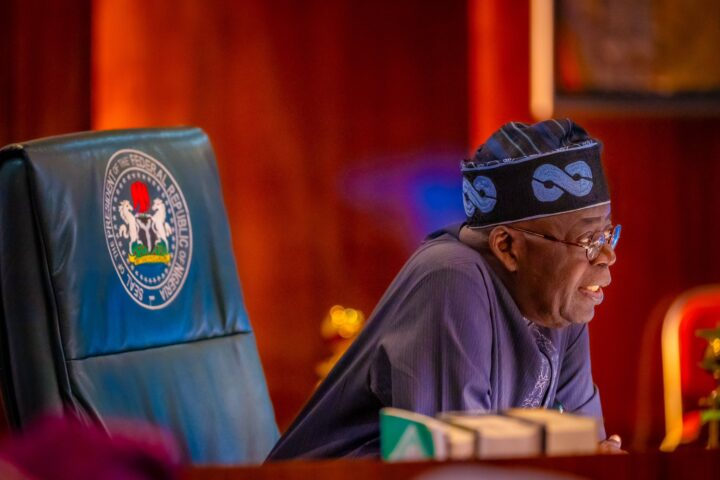
Politics and religion in Nigeria have always shared a complex relationship. When prominent spiritual leaders speak publicly on national issues, millions of citizens pay close attention. A major verbal exchange erupted between the Nigerian Presidency and senior Catholic clergy, centered around comments made by Cardinal John Onaiyekan.
The public debate began after strong statements were made regarding the state of the nation, prompting a sharp response from government spokespersons. Public conversations quickly spread across news outlets, social media networks, and local community spaces.
Understanding the background of this dispute helps clarify why public opinion remains deeply divided. At WhatsBuzzN, our mission is to break down major national conversations so you can understand what is happening without getting lost in complicated political jargon.
What Sparked the Conflict? Understanding the Core Issues
Cardinal John Onaiyekan, the Archbishop Emeritus of Abuja, is well known for his willing approach to speaking openly about public governance. During recent public gatherings and media appearances, the senior cleric voiced strong concerns regarding the economic difficulties facing ordinary Nigerian citizens.
He highlighted issues such as rising food costs, security challenges in various regions, and what he described as a growing distance between official government promises and daily reality on the street.
The $0 Secret To Launching Your Entire Online Empire
Why pay hundreds every month for separate software? Build funnels, send emails, and make sales with Systeme.io completely free.
Get Started For $0Free Forever • No Credit Card Needed • Beginner-Friendly
“Religious leaders have a moral duty to speak out when the people suffer.”
The Catholic Bishops Conference of Nigeria (CBCN) has maintained a long tradition of commenting on social justice issues. Through regular communiqués and pastoral letters, Catholic bishops frequently bring attention to topics such as:
- Poverty levels and unemployment among young people
- Security concerns affecting rural farming communities
- Accountability and transparency in public spending
- The overall quality of public infrastructure and basic services
Cardinal Onaiyekan’s recent statements carried a direct tone that generated widespread attention. He questioned whether current national policies were effectively addressing the suffering of ordinary people, calling for urgent action to reduce public hardship. His remarks matched the feelings of many citizens struggling with living expenses, but they also drew immediate attention from government officials.
The Presidency Speaks Back: Official Defense and Rebuttal
The response from the State House came quickly through official statements released by presidential media aides. The administration rejected the criticisms, describing the remarks as an incomplete assessment of ongoing government efforts and structural reforms.
Government representatives emphasized that current administration policies were introduced to fix long-standing economic problems. They argued that difficult measures, including fuel subsidy adjustments and foreign exchange policy reforms, are necessary steps to build long-term financial stability.
Key points raised in the Presidency’s response:
– Structural economic reforms require patience before benefits manifest fully.
– Criticism from respected leaders should remain balanced and constructive.
– Public figures must avoid statements that could trigger unnecessary anxiety.
The administration urged spiritual leaders to use their influence to encourage national unity and hope rather than spreading discontent. Government officials emphasized that while open feedback is a crucial part of democracy, public commentary should take into account the global economic challenges affecting many nations today.
The Deep Connection Between Faith and Politics in Nigeria
To grasp why this verbal exchange created such a major wave, it helps to understand the role faith leaders play in Nigerian society. Religious institutions in the country serve as much more than places for weekend worship. They operate schools, hospitals, welfare centers, and community relief networks.
When public infrastructure or social safety nets face pressure, citizens often rely on faith organizations for basic support. Because of this close connection with everyday people, religious figures gain direct insight into community struggles.
Roles played by faith organizations in local communities:
– Providing emergency financial aid and healthcare support
– Operating schools and community development projects
– Offering direct guidance during economic hardships
This close relationship gives clerics a powerful voice when discussing public affairs. However, political leaders often view critical statements from religious bodies with caution. Government officials worry that strong public statements from respected faith leaders could undermine trust in public institutions or create unnecessary political friction.
Public Reaction and Social Media Buzz
Once the Presidency released its statement, public discussion grew rapidly across online platforms. Citizens quickly split into different viewpoints regarding whether spiritual leaders should participate in political discussions.
Many citizens expressed agreement with Cardinal Onaiyekan, arguing that leaders of religious organizations have a duty to stand up for the public interest. They felt that bringing attention to economic hardship is a natural responsibility for community leaders.
Conversely, another group of commentators supported the government’s position. They argued that economic restructuring takes time and that public figures should refrain from making comments that might cause public panic or undermine ongoing national development projects.
Send, Spend & Hold Money Worldwide Without Hidden Fees
Transfer money internationally at the real exchange rate and hold 40+ currencies in one account.
Open a Wise AccountMid-market rate • Fast transfers • 40+ currencies
Key perspectives from the public debate:
– Supporters of the Clergy: Believe religious leaders must hold leaders accountable.
– Government Allies: Argue that public commentary should highlight progress and long-term goals.
The debate dominated trending topics across major online networks. Readers following updates on our official social media channels on X (formerly Twitter), Facebook, and Instagram shared diverse opinions on how government officials and clergy should manage public disagreements.
How Digital Media Amplifies Political Discourse
The speed at which political news travels today is vastly different from past decades. News regarding national disputes spreads across digital platforms within minutes, allowing people across the country and the global diaspora to participate in the conversation immediately.
Modern media outlets and independent creators quickly produce analysis videos, podcast episodes, and social media posts to break down these political events. Many creators use YouTube automation strategies to publish timely news summaries, keeping audiences updated on major political stories as they happen.
At the same time, tools powered by technology and AI allow media monitoring platforms to analyze public reactions in real time. This data provides clearer insight into how communities feel about policy decisions and public statements from leaders.
Economic Realities Meets Policy Implementation
At the center of this debate is a clear tension between short-term public comfort and long-term policy goals. The administration maintains that difficult economic choices made today will produce a more stable economy in the future.
However, community organizations and religious groups focus on the immediate effect these decisions have on daily living expenses. Higher transport fees, increased prices for basic foodstuffs, and general inflation place a real burden on family budgets.
Common economic challenges facing households: – High inflation affecting basic food items – Increased costs for local transportation and energy – Growing pressure on household savings and disposable income
Finding a reasonable balance between long-term strategic plans and immediate relief for citizens remains a central goal for policymakers. Clear communication between elected officials and community leaders can help ensure that policy execution considers the everyday needs of the public.
The Value of Constructive Engagement Between Leaders
Rather than viewing this dispute solely as a political conflict, many observers view it as a useful opportunity for dialogue. When civic and religious leaders raise concerns, it offers government officials direct feedback on how policies affect everyday lives.
The $0 Secret To Launching Your Entire Online Empire
Why pay hundreds every month for separate software? Build funnels, send emails, and make sales with Systeme.io completely free.
Get Started For $0Free Forever • No Credit Card Needed • Beginner-Friendly
Benefits of structured dialogue: – Helps government officials refine policy implementation details. – Ensures community leaders remain informed on economic strategies. – Reduces public misunderstanding through direct communication.
By establishing regular channels for communication, political authorities and religious organizations can work together to address social issues. Cooperative engagement ensures that public criticism remains helpful while giving government institutions space to carry out necessary reforms.
How to Stay Properly Informed on Political News
With so much news and commentary circulating online, distinguishing verified information from dramatic claims can be challenging. Staying properly informed requires reading news from dependable sources that present multiple sides of a story.
Tips for following national news responsibly:
– Read full statements from official sources rather than relying solely on headlines.
– Compare coverage across diverse news outlets to get a balanced view.
– Verify claims before sharing political content on social media.
You can read official press releases directly on institutional platforms like the Catholic Bishops Conference of Nigeria to understand original statements in their full context.
If you have questions about how we report on major events or if you want to submit news tips to our team, you can always reach us through our contact page.
Frequently Asked Questions (FAQs)
What caused the conflict between the Presidency and Cardinal Onaiyekan?
The exchange started after Cardinal John Onaiyekan made public statements expressing concern over economic hardship, security issues, and policy outcomes in Nigeria. The Presidency responded by defending its reform efforts and asking for balanced commentary.
Why do statements from Catholic Bishops carry so much weight in Nigeria?
Catholic Bishops represent a broad network of institutions, schools, and community services. Because of their direct involvement in public welfare, their observations on governance issues are followed closely by millions of citizens.
What was the main defense presented by the Presidency?
The Presidency explained that current economic reforms, such as subsidy adjustments and foreign exchange changes, are necessary steps to achieve long-term growth. They urged public figures to consider these long-term goals when making public comments.
Can religious leaders participate in political discussions in Nigeria?
Yes. Under Nigerian law, religious leaders have the freedom to express their views on governance and public welfare. However, government officials often request that such commentary remain non-partisan and focused on constructive suggestions.
Where can I join the conversation about this news story?
You can participate in ongoing discussions by connecting with our online community across our official social profiles on Facebook, Instagram, and X.
Conclusion
The recent public exchange between the Nigerian Presidency and Catholic clergy highlights the ongoing relationship between state policy and spiritual leadership.
While government officials remain focused on implementing long-term economic plans, religious leaders continue to highlight the daily challenges faced by ordinary citizens.
Open debate is a normal feature of a dynamic democracy. When conducted with mutual respect, discussions between political authorities and faith leaders can lead to better understanding and improved policy execution. Keeping informed with factual, clear reporting ensures that citizens can follow these events with clarity.
