
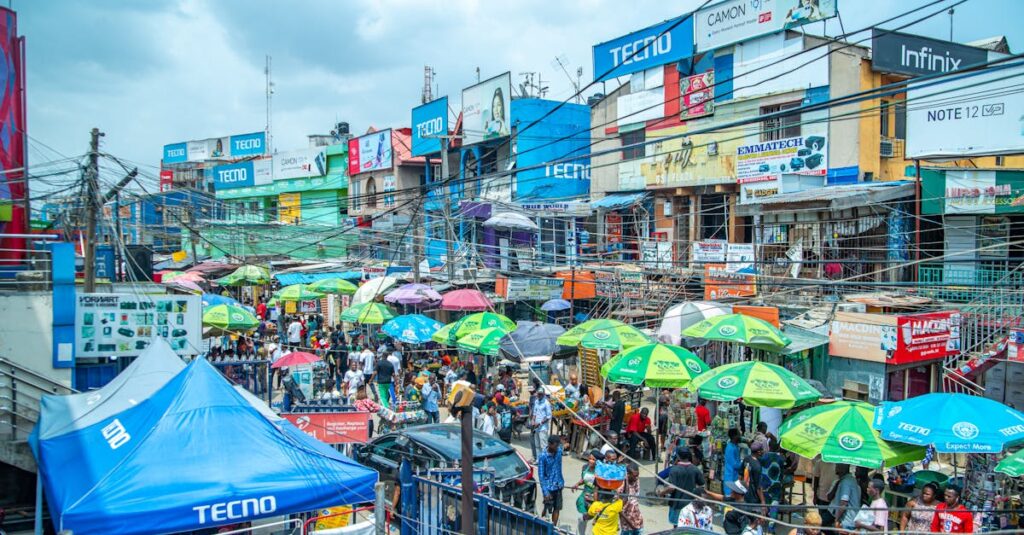
You wake up, check the news, and see another headline about Nigeria that makes you want to throw your phone across the room. Bad roads. Unstable electricity. Corruption stories that feel like the same script playing over and over.
It’s exhausting. And it’s easy to think, “What can I even do about it? I’m just one person.”
But here’s what I’ve learned watching everyday Nigerians over the years. The country doesn’t change because of some superhero politician riding in to save everyone. It changes when normal people like you and me start doing small things differently.
Not dramatic things. Not dangerous things. Just consistent, smart things.
Here’s your real-world guide to helping Nigeria improve without waiting for someone else to start.
1. Start With Your Own Attitude First
Before you try to fix anything outside your door, look at what’s inside your head.
A lot of us have gotten comfortable complaining. And look, some complaining is fair — things are genuinely hard. But complaining without action is just noise. It drains your energy and changes absolutely nothing.
Ask yourself honestly: Do you actually believe Nigeria can get better?
If your answer is no, that belief will show up in everything you do. You won’t bother voting. You won’t hold anyone accountable. You’ll just accept the nonsense because “nothing ever changes anyway.”
That mindset is a self-fulfilling prophecy.
I’m not asking you to be blindly optimistic. Be realistic. But also be willing to be part of the solution instead of just being mad about the problem.
2. Pay Your Taxes
Nobody loves paying taxes. I get it.
But here’s something most people don’t think about. When you avoid paying taxes, you’re not sticking it to the government. You’re starving the very systems that could make your life better. Schools. Hospitals. Roads. Public security.
The real problem isn’t just that people don’t pay. It’s that many Nigerians don’t trust where the money goes. And that distrust is totally reasonable.
So here’s what you do instead:
Pay what you owe. But also track where that money is supposed to go. Follow the budget announcements. Pay attention to local projects in your area. When you see a road that was supposed to be fixed three years ago and it’s still a disaster, ask questions.
Who got the contract? How much was it? What’s the completion date?
You have the right to that information. Use it.
3. Vote Like Your Future Depends On It.
Here’s a painful truth many of us ignore.
The voter turnout in Nigerian elections is embarrassingly low. In the 2023 presidential election, only about 27 percent of registered voters actually showed up. Think about that. Almost three out of four people didn’t bother.
And then those same people turn around and complain about who got elected.
That doesn’t make sense.
Voting isn’t just about picking the least terrible option. It’s about sending a message. When you vote, you become harder to ignore. Politicians notice when a constituency has high turnout. They start paying attention because they know you’ll remember their promises.
But don’t just vote and disappear. That’s not enough either.
4. Pay Attention Between Elections.
The real work happens in the two, three, four years between voting days.
Do you know what your local council chairman promised during campaigns? Do you check in on whether those things are happening? Do you attend town hall meetings when they happen?
Most people don’t. And politicians know this. That’s why they make big promises, win the seat, and then disappear until the next election cycle.
Break that cycle. Show up to community meetings. Join a local accountability group. Follow your representatives on social media and post actual questions, not just insults.
5. Take Responsibility For Your Immediate Environment
You don’t need government approval to clean your street.
You don’t need a permit to fix a dangerous pothole with some sandbags and a warning sign.
You don’t need permission to organize your neighbors to keep the drainage system clear before rainy season.
These sound like small things. But small things compound.
Here’s a practical example. In Lagos, there are neighborhoods where residents collectively decided to stop dumping refuse in drainage channels. They organized weekly cleanups. They confronted neighbors who kept doing it. Within months, flooding in those areas dropped significantly.
No government contract. No commissioner for environment. Just people deciding they were tired of the nonsense.
What’s one thing in your immediate area that bothers you every day? Start there.
6. Stop Fuelling The Corruption You Say You Hate
This part might sting a little. But we have to talk about it.
For every government official taking a bribe, there’s someone giving it. For every police officer demanding “settlement,” there’s a driver handing it over without a fight. For every inflated contract, there are contractors offering kickbacks.
We can’t demonize corruption while participating in it the second it becomes convenient.
Now, I know what you’re thinking. “If I don’t pay the bribe, I’ll be stuck at that checkpoint for hours.” Or “If I don’t grease some palms, my paperwork will sit on a desk for six months.”
I hear you. And I’m not pretending those aren’t real dilemmas.
But here’s a different way to think about it. Every time you pay a bribe, you’re investing in a system you say you want to destroy. You’re keeping it alive. You’re proving that corruption works.
So what can you actually do?
First, start documenting everything. Record interactions when you can. Note names, badge numbers, locations, dates. Second, report through official channels — not because they always work, but because patterns matter. One report gets ignored. Fifty reports from different people about the same officer? That becomes harder to dismiss.
Third, find alternative routes when you can. Digital payments that leave trails. Verified processes that skip the middlemen. It’s not perfect, but it’s better than just handing cash and calling it “how things work.”
7. Support Local Businesses That Play Fair
Here’s something most Nigerians overlook.
The economy isn’t just something that happens to you. You shape it every time you spend money.
When you buy from that local business that pays its staff properly, uses genuine materials, and doesn’t cut corners, you’re voting with your wallet. When you choose the roadside seller who doesn’t cheat on measurements over the one who does, you’re sending a message.
And when you avoid businesses that enable shady practices — like the ones paying police to harass competitors or selling clearly fake products — you’re withdrawing support from the wrong kind of behavior.
It takes more effort to be intentional about where your money goes. But that effort adds up across millions of people.
8. Get Good At Something And Share The Knowledge
Nigeria needs skilled people more than it needs another angry Twitter thread.
Think about the problems around you. Someone needs to know how to fix the generator properly. Someone needs to understand how to keep vegetables fresh longer without constant electricity. Someone needs to teach basic digital skills to neighbors who are getting left behind.
That someone could be you.
You don’t need a degree or a government certification to be useful. If you know how to budget and save money, teach a friend. If you understand how to register a business properly, help three other people do it. If you’ve figured out how to earn online despite the unstable power and expensive data, document what worked and share it.
Skills spread person to person. That’s how communities get stronger. Not through policies written in Abuja, but through one person helping another person solve a real problem.
9. Use Social Media For More Than Arguments
Social media in Nigeria has become mostly outrage and entertainment. And look, we all need to laugh sometimes. But we’re also wasting a massive tool for actual change.
Here’s a better way to use your online presence.
Follow the official handles of your local government, your state, and relevant agencies. Not to cheer them on — to track what they say they’re doing.
When they announce a project, save the post. Set a reminder for three months later. Then go check if it actually happened. If it didn’t, post the evidence and ask why.
Tag responsible officials. Tag local journalists. Make it public.
One person doing this seems small. But when hundreds of people in the same area start doing it consistently, officials notice. They hate being called out in public more than almost anything else.
Stop arguing with strangers about which political party is worse. That changes nothing. Start tracking promises and demanding answers.
10. Raise Your Children Differently
If you’re a parent, you have more power than you probably realize.
The way you raise your kids shapes the next generation of Nigerian citizens. And right now, too many children are learning that cutting corners is smart, that cheating is just being clever, that personal gain matters more than collective good.
Change that in your own home.
Teach your kids that paying the correct fare matters even when the conductor wouldn’t notice. Teach them that returning extra change builds character even when nobody claps for it. Teach them that reporting a lost wallet instead of keeping the money inside isn’t foolish — it’s integrity.
These lessons feel small in the moment. But they build people who won’t grow up to be the corrupt officials we all hate dealing with.
11. Don’t Wait For Permission
The most common trap I see good people fall into is waiting.
Waiting for the right government. Waiting for the economy to stabilize. Waiting for someone more qualified to step up. Waiting for an NGO to start a program before they do anything.
Meanwhile, years pass. Nothing changes. And you’re still waiting.
Here’s what I’ve learned. The people who actually move Nigeria forward aren’t waiting for anyone’s permission. They’re just starting. Fixing one small thing today. Then another tomorrow. Then another next week.
That’s not naive. That’s how every successful country on earth was built. Not by waiting for perfect conditions, but by imperfect people doing whatever they could with whatever they had.
What’s One Thing You’ll Actually Do Differently?
You’ve read this far. That means you probably care more than most people.
So I’ll leave you with a question worth sitting with.
Think about your life this week. Your routine. The things that annoy you every single day. The small injustices you just accept because “that’s Nigeria.”
Pick one. Just one. And decide what you’re going to do about it that doesn’t involve complaining to your friends on WhatsApp.
Then do it.
Not next month. Not when things get better. This week.
Because here’s the truth nobody wants to say out loud. Nigeria doesn’t need more people with good intentions. It needs more people doing small, boring, unglamorous things consistently over a long period of time.
That’s it. That’s the secret. And it’s available to every single one of us right now.
What’s the one small change you’re committing to make in your community this month? Drop your answer below — no judgment, just real talk about what actually works.
