
If you’re planning to spend several weeks or months in Nigeria, where you lay your head at night becomes a big deal. Hotels and Airbnbs both have their strengths, but for long-term stays, the math and experience work out very differently.
I’ve spent enough time bouncing between both options across Lagos, Abuja, and Port Harcourt to know what works and what will drain your patience. Let me break down what you actually need to consider before booking.
The Cost Difference Adds Up Fast
Hotels in Nigeria charge nightly rates. For a three-night stay, that’s fine. But multiply a decent hotel rate by 30 days and you’re looking at serious money. A mid-range hotel in Lagos costing 25,000 to 40,000 naira per night becomes 750,000 to 1.2 million naira for a month.
Airbnb hosts almost always offer monthly discounts. Many will drop their rates by 30 to 50 percent once you book 28 days or more. That same quality of space might cost you 400,000 to 600,000 naira for a full month.
Here’s what most people miss: Hotels include services in that nightly rate. Cleaning, towel changes, security, reception. Airbnbs charge you lower rent because you handle more yourself. Figure out what your time is worth before deciding.
The Daily Reality of Power and Water
Nigeria’s electricity situation makes this category critical. Hotels worth their name run generators or inverters. You won’t think about power much because they’ve already built it into what you pay. The lights stay on. Your phone charges. Your laptop works.
Airbnbs vary wildly. Some properties have 24-hour power with solar or heavy inverters. Others have generators that only run for a few hours in the morning and evening. I learned to ask hosts three specific questions before booking:
What powers the apartment and for how many hours daily?
Who pays for generator fuel if the mains go out?
Is there a backup for the backup?
Long-term travel means you need reliable power for work. An Airbnb with spotty electricity will cost you more in lost productivity than you save on rent.
Space to Actually Live
Hotels give you a room. Sometimes a nice room, but still a room. After two weeks, that one room starts to feel small. You eat there, work there, sleep there, watch TV there. There’s no separation.
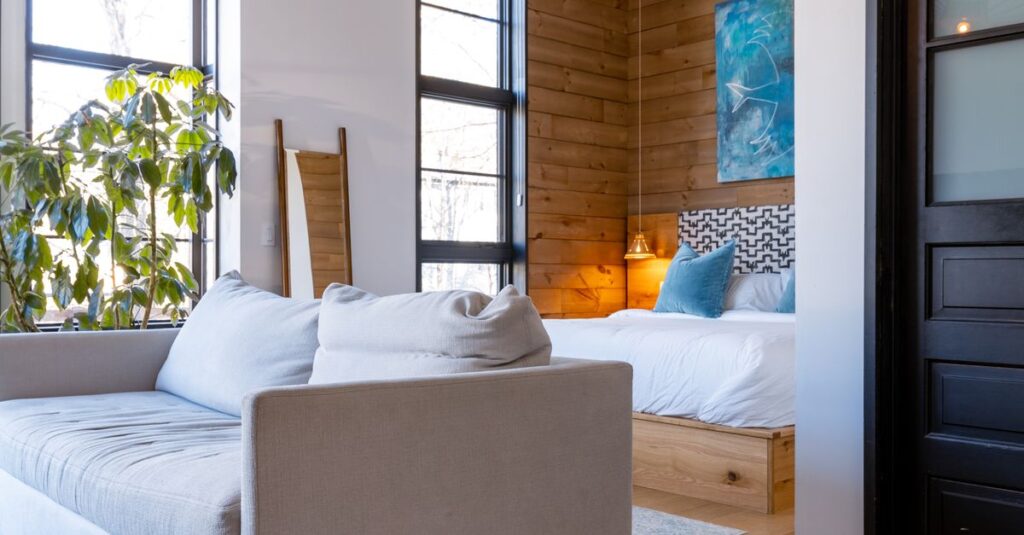
Airbnbs offer apartments or houses. A living room where you can leave your laptop setup. A kitchen where you can cook when you’re tired of restaurant food. A bedroom that stays just for sleeping. That separation matters more than you think when you’re staying somewhere for a month or longer.
The kitchen especially makes a difference on long stays. Eating out for every meal in Nigeria adds up fast. Having the option to prepare your own breakfast or simple dinners cuts your daily expenses significantly.
Security and Peace of Mind
Hotels have a front desk. Someone is there 24 hours watching who comes and goes. If something breaks or you have a problem, you walk downstairs and talk to someone. That immediate response gives a certain comfort, especially if you’re new to the area.
Airbnb security depends entirely on the property. Some are in well-guarded estates with cameras and askaris on every gate. Others are standalone buildings with just a padlock and hope. Check the reviews carefully for any mention of security concerns.
But here’s an advantage Airbnbs have for long stays: You don’t look like a tourist walking in and out every day. Hotels announce to everyone that you’re a visitor. A short-term rental lets you blend in more, which in some neighborhoods is actually safer.
Flexibility and Host Relationships
Hotels don’t care if you stay one night or thirty. You’re a customer number. There’s no negotiation on price or rules. What they say goes.
Airbnb hosts are individuals running a business. For a long-term stay, you can build a relationship. I’ve had hosts give me discounts beyond the automatic monthly price after talking with them. I’ve arranged late checkouts without fees. I’ve asked for extra shelves or a better workspace and gotten them.
That flexibility works both ways though. A bad host can make your stay miserable. Read the reviews from other long-term guests specifically. Look for people who stayed 14 days or more. Their experience will tell you what you’re actually signing up for.
Internet and Working Remotely
Ask both hotels and Airbnbs for a speed test before booking. Not “do you have WiFi” but “what is the actual speed.” Many places in Nigeria advertise internet that can barely load email.
Hotels often have shared WiFi. That means when other guests check in, your speed drops. Nighttime when everyone is streaming movies becomes unusable for video calls.
Airbnbs with dedicated fiber to the unit are becoming more common in places like Lekki and Victoria Island. You can also ask the host about getting your own 4G or 5G router delivered to the property. For long stays, buying your own data plan is sometimes the most reliable option regardless of where you sleep.
Making Your Decision
Book a hotel if you value convenience over cost, want zero responsibilities, and plan to be out most of the day anyway. Hotels work great for the first week while you figure out the city.
Book an Airbnb for anything over two weeks if you find a host with strong reviews for power and internet, the space has a separate living area and kitchen, and the monthly discount makes the math work in your favor.
The smartest approach I’ve seen is booking a hotel for the first three nights while you visit shortlisted Airbnbs in person. Never trust photos alone. See the power setup, test the WiFi, check the water pressure, and talk to neighbors if you can. Then make your move.
Frequently Asked Questions
Can I negotiate with Nigerian hotels for monthly rates?
Yes, but you need to call or visit in person. Online booking engines won’t show long-term discounts. Ask for the sales manager, not the front desk. Expect 20 to 30 percent off the nightly rate for a month.
Is Airbnb legal in Nigeria?
Yes, in most major cities. Some estates have restrictions, so confirm with the host before booking. Lagos State has regulations for short-term rentals, but enforcement is still light.
Which platform has better cancellation policies for long stays?
Airbnb’s long-term cancellation policy protects hosts more than guests. For stays over 28 days, the first month is generally non-refundable. Hotels with flexible rates let you cancel with 24 hours notice. Read both carefully.
How do I pay for a long-term Airbnb in Nigeria?
The platform handles payment in your home currency or naira depending on your settings. Some hosts will offer off-platform rates for extended stays, but that removes your protections. I don’t recommend it for your first booking.
What Works for You Depends on Your Work
The right choice comes down to what you need to be productive. If your work requires silence, stable electricity, and reliable internet for eight hours daily, lean toward a verified Airbnb with backup systems or a business hotel with good reviews from other remote workers.
If you’re traveling for leisure or visiting family and just need a place to sleep, the cheaper Airbnb is almost always the smarter financial move.
Take your time picking. A bad lodging decision for a weekend is annoying. For two months, it’s miserable.
What’s the longest you’ve stayed in one place while traveling, and what made that stay work or fail for you?
