
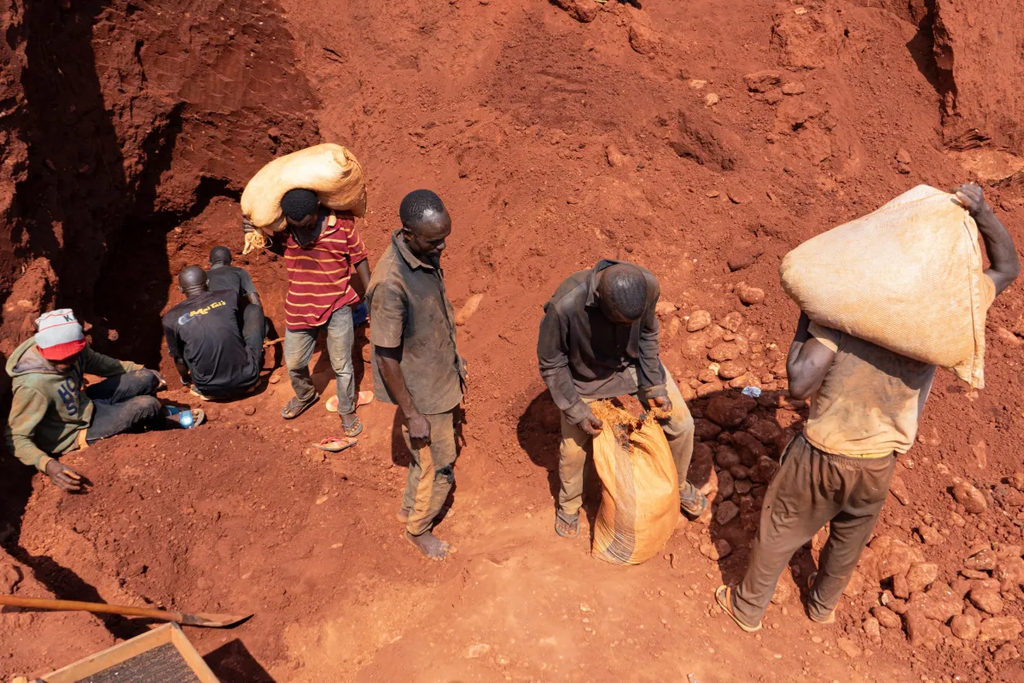
Global tech markets are scrambling right now after the Democratic Republic of Congo made a shock announcement that is sending shockwaves through the supply chain. Starting November 30, 2026, the country is freezing all exports of cobalt, the critical metal hiding inside almost every smartphone, laptop, and electric vehicle on the planet.
Within hours of the news breaking, international cobalt prices shot up by more than 30 percent on major exchanges, leaving manufacturers, traders, and battery makers rushing to figure out what comes next. Because Congo controls roughly three-quarters of the world’s mined cobalt supply, closing its borders to shipments immediately tightens the screws on global tech production.
What Actually Happened in the Democratic Republic of Congo?
On November 23, 2026, Congo’s Regulatory and Control Authority for Strategic Mineral Markets, known locally as ARECOMS, dropped a bombshell policy directive. The agency ordered a complete, indefinite suspension of all cobalt shipments leaving the country, taking effect at the end of the month.
This is not just a minor slowdown or a temporary paperwork delay. The freeze applies across the board, hitting massive international mining corporations and small-scale local miners alike. Even more surprisingly, the government stated that shipments with existing, approved export permits that have not physically crossed the border by November 30 will be stopped dead in their tracks. Any unused export quotas from this period are wiped out completely and cannot be carried over later.
Authorities noted they will review the market situation in about four months. However, there is no guarantee the ban ends then, as shipments can only restart after a brand-new regulatory approval.
The $0 Secret To Launching Your Entire Online Empire
Why pay hundreds every month for separate software? Build funnels, send emails, and make sales with Systeme.io completely free.
Get Started For $0Free Forever • No Credit Card Needed • Beginner-Friendly
Why Did Congo Decide to Pull the Plug on Exports Right Now?
To understand why Kinshasa made such an aggressive move, you have to look at what happened to mineral prices over the last several months. Simply put, Congo got tired of watching its most valuable resource sell for pennies on the dollar.
Earlier in 2025, Congo tried a similar export freeze that briefly sent prices skyrocketing. They eventually replaced that ban with an annual quota system designed to keep supply steady. Unfortunately for the Congolese government, global inventories piled up outside the country, and slower-than-expected battery demand dragged prices back down. By mid-November 2026, prices for cobalt hydroxide—the main form shipped out of Congo—had dropped by nearly half from their April highs.
Mines Minister Louis Watum made it clear that the government refuses to let oversupply and speculative trading dictate the value of its natural wealth. By cutting off the supply completely, Congo is flexing its muscle as the world’s dominant supplier to force global prices back up and regain control over the market.
How Did Global Markets React to the News?
The financial reaction was instant and dramatic. Traders did not wait for November 30 to start pricing in a massive supply squeeze.
On the London Metal Exchange, cobalt futures jumped from around $33,080 per tonne on Monday straight up to $43,855 per tonne by Thursday—a massive 33 percent surge in just a few days. Over in China, which processes the vast majority of the world’s raw cobalt into battery chemicals, futures contracts on the Wuxi Stainless Steel Exchange hit their daily upper trading limits. Shares of major Chinese cobalt refiners like Ganzhou Tengyuan Cobalt and Nanjing Hanrui Cobalt jumped by over 11 percent in a single trading session as investors bet on tighter supplies.
At the same time, sellers across Europe and Asia immediately pulled their offers off the table, refusing to sell existing metal at yesterday’s lower prices while waiting to see how high the market climbs.
Why Does Cobalt Matter So Much to Your Daily Life?
You might never buy a bar of raw cobalt, yet you probably carry it in your pocket every single day. Cobalt is the secret ingredient that keeps modern lithium-ion batteries stable, safe, and long-lasting.
Without cobalt, the batteries inside smartphones, laptops, tablets, and wireless earbuds would overheat much faster and lose their ability to hold a charge after just a few months. In the automotive world, cobalt is essential for high-range electric vehicles, helping cars travel hundreds of miles on a single charge without battery degradation. Beyond consumer gadgets, the metal is also critical for aerospace jet engines, medical implants, and military defense equipment.
Because roughly 75 percent of the world’s cobalt comes out of Congolese soil, an export freeze in Central Africa creates a ripple effect that touches factories in Shenzhen, car plants in Detroit, and tech stores in Lagos and London.
Will This Make Smartphones and Electric Cars More Expensive?
If you are planning to buy a new phone or an electric vehicle soon, you probably will not see price tags jump tomorrow morning. Battery manufacturers and carmakers keep buffer stocks in warehouses and have materials already sitting on cargo ships in transit. Those existing supplies will cushion the blow for the next few weeks.
However, if Congo keeps its borders closed to cobalt past the four-month review window, things will get tight very quickly. Refiners outside Congo have been running down their local stockpiles over the past year, meaning there is less extra inventory sitting around than people think. Once those warehouse reserves dry up, battery makers will have to pay much higher prices for raw materials. Historically, when battery costs stay elevated for several months, electronics brands and automakers pass those extra expenses directly onto everyday shoppers.
Who Wins and Who Loses From This Export Freeze?
Every major shock in the commodities market creates clear winners and losers, and this ban is shaking up the global mining industry overnight.
Who stands to gain?Rival producers outside Africa are suddenly sitting in the driver’s seat. Indonesia, which has rapidly grown into the world’s second-largest cobalt producer by extracting it alongside nickel, is positioned to capture huge market share as buyers look for alternatives. Battery recycling companies in North America, Europe, and Asia also get a massive boost. When fresh mined cobalt becomes scarce and expensive, pulling cobalt out of old phones and scrap electric car batteries becomes far more profitable.
Who takes the hardest hit?Chinese refining companies that rely heavily on steady shipments of Congolese cobalt hydroxide face shrinking profit margins as replacement costs soar. Meanwhile, giant mining companies operating inside Congo—such as Glencore and major Chinese conglomerates—are stuck with a tricky logistical headache. Many of them mine cobalt as a byproduct of copper. They want to keep digging up copper to sell, which means they have to keep pulling cobalt out of the ground and storing massive piles of it inside Congo until the government lets them export again.
Is This Part of a Bigger Trend Across Africa?
What is happening in Congo is not an isolated incident. Across the African continent, resource-rich nations are rewriting the rules of global trade and demanding a bigger slice of the pie.
Send, Spend & Hold Money Worldwide Without Hidden Fees
Transfer money internationally at the real exchange rate and hold 40+ currencies in one account.
Open a Wise AccountMid-market rate • Fast transfers • 40+ currencies
For decades, foreign companies extracted raw minerals from African countries, shipped them overseas for cheap, and sold finished high-tech products back to the world at massive markups. Now, governments are pushing back. In 2026 alone, Guinea moved to ban exports of unrefined gold, while Zimbabwe has enforced strict limits on shipping raw lithium and chrome.
By halting raw exports, countries like Congo want to force international companies to build processing plants and refineries locally. That brings factory jobs, infrastructure, and tax revenue directly to local communities rather than sending all the wealth abroad.
Could Battery Makers Simply Stop Using Cobalt Altogether?
This is the billion-dollar question hanging over Kinshasa’s strategy. While Congo holds the cards today, pushing prices too high carries a serious risk for the country in the long run.
Whenever cobalt prices spike wildly, battery engineers work overtime to design it out of their products. We are already seeing a massive shift toward Lithium Iron Phosphate (LFP) batteries, which use zero cobalt and zero nickel. In China, LFP batteries already power over 80 percent of new electric vehicles. Even in high-performance batteries that still use cobalt, manufacturers have slashed the amount needed per battery to a fraction of what it was five years ago.
If Congo’s export ban keeps prices volatile and unpredictable, more automakers and tech companies might permanently switch to cobalt-free battery chemistries. Analysts point out that while stockpiles outside Congo shrink during the ban, massive mountains of unsold cobalt will build up inside Congolese warehouses. When the government eventually reopens exports, flooding the market with all that stored metal could cause prices to crash all over again.
How Can You Stay Updated on Global Market Shifts Like This?
Global supply chain shocks move fast, and keeping track of how international politics affect everyday prices can feel overwhelming. You can follow breaking updates across our social channels on Instagram, Facebook, and X to stay ahead of major world news as it unfolds. If you have tips, business insights, or questions about stories you want covered next, reach out directly through our contact page.
Frequently Asked Questions About the Congo Cobalt Ban
When does the Congo cobalt export ban officially start?
The suspension officially takes effect on November 30, 2026. Any cobalt shipment that has not physically left the Democratic Republic of Congo by that date is blocked from exporting, even if the seller already holds a valid permit.
How long will Congo keep its cobalt exports frozen?
The ban is indefinite. Regulatory officials at ARECOMS announced they will review market conditions, global inventory levels, and prices after four months. However, exports will only restart when the agency issues a formal new decision.
Why does Congo have so much control over cobalt prices?
The Democratic Republic of Congo produces roughly 75 percent of the world’s mined cobalt. Because almost no other country produces it at anywhere near that scale, stopping shipments from Congo immediately cuts off the vast majority of global supply.
Does this ban affect copper exports from Congo?
No, the suspension specifically targets cobalt. However, because most Congolese mines dig up copper and cobalt together from the same rock, mining companies must continue separating the two metals and storing the cobalt locally while shipping the copper out.
The $0 Secret To Launching Your Entire Online Empire
Why pay hundreds every month for separate software? Build funnels, send emails, and make sales with Systeme.io completely free.
Get Started For $0Free Forever • No Credit Card Needed • Beginner-Friendly
Which countries are affected most by the cobalt shortage?
China is affected most immediately because Chinese refineries process the majority of Congo’s raw cobalt into battery-grade chemicals. Major electric vehicle and electronics manufacturing hubs in South Korea, Japan, Europe, and the United States also feel the downstream pressure on battery costs.
What Comes Next for the Global Tech Supply Chain?
Congo’s decision to halt all cobalt exports is a bold power play that proves just how fragile global tech supply chains really are. By turning off the tap on three-quarters of the world’s supply, Kinshasa successfully jolted sluggish prices back to life overnight. Over the next four months, the world will be watching a high-stakes standoff between a resource-rich nation demanding fair value for its minerals and global tech giants scrambling to protect their battery supplies.
