
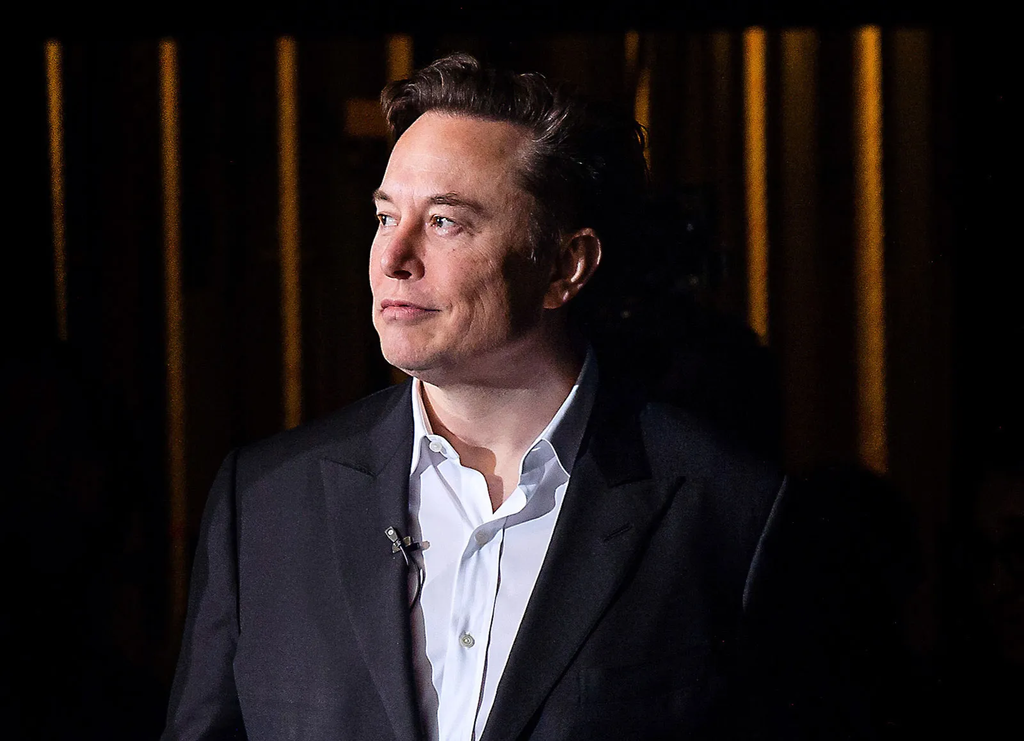
Elon Musk just issued an open warning to Washington lawmakers, and the political world is feeling the shockwaves. The world’s richest person is making it clear that he has no plans to sit quietly if congressional investigators decide to target him or his sprawling business empire.
Instead of preparing standard legal defenses, Musk took directly to his social platform, X, to promise aggressive political retaliation. He signaled that anyone who launches probes against his companies will find themselves on the receiving end of a very personal, high-stakes fight.
The public threat follows private strategy talks among Capitol Hill lawmakers. Democratic leaders have quietly been drafting plans to launch wide-ranging congressional investigations into Musk’s corporate network, his government influence, and his federal contracts if they recapture control of Congress in the upcoming midterm elections.
Now, the battle lines are officially drawn. On one side sits the constitutional oversight power of the United States Congress. On the other sits a tech mogul with hundreds of billions of dollars, unmatched private space hardware, global satellite networks, and a massive digital megaphone.
What Did Elon Musk Actually Say?
The confrontation started when reports detailed how House Democrats are preparing subpoenas against Musk and his companies. In response to an article originally broken by Politico, Musk did not mince words.
The $0 Secret To Launching Your Entire Online Empire
Why pay hundreds every month for separate software? Build funnels, send emails, and make sales with Systeme.io completely free.
Get Started For $0Free Forever • No Credit Card Needed • Beginner-Friendly
He posted a classic ancient proverb: “Live by the sword, die by the sword”.
Musk quickly followed that up with a much more pointed warning. He told his followers that lawmakers picking a fight with him should realize he will not just target the politicians themselves. Musk wrote that he will find out who is really pulling the strings behind the scenes and go directly after them, rather than just focusing on their “puppets”.
That single statement set off alarm bells across Capitol Hill. In ordinary politics, corporate chief executives tread lightly when lawmakers threaten hearings. They hire high-powered corporate lawyers, prepare polite written testimony, and try to lower the temperature.
Musk does not run his businesses that way, and he certainly does not handle politics that way. By telling lawmakers that he will find out who directs their actions and target them directly, Musk made it clear that he views congressional scrutiny not as legitimate government oversight, but as an act of political warfare that justifies an aggressive response.
Why Are Democrats Planning to Investigate Elon Musk?
Congressional committees hold broad constitutional authority to investigate how federal agencies run, how public money gets spent, and whether private vendors follow the law. When a single individual gains massive influence over national defense, space travel, communications, and federal agency reform, lawmakers naturally start asking tough questions.
For years, Democrats watched Musk move steadily from a somewhat eccentric, clean-energy champion to a massive political power player. He endorsed conservative candidates, spent record-breaking amounts of money on election campaigns, and forged an ultra-close alliance with Donald Trump.
As the midterm elections approach, Democratic strategists see Musk as a central figure in American politics. If voters give Democrats the majority in the House of Representatives or the Senate, committee leaders will hold the gavel. That means they will control subpoena power.
Subpoenas are legal orders that require people to produce internal company documents, hand over private messages, and testify under oath. Democratic lawmakers argue that Musk’s sprawling operations present serious conflicts of interest and national security concerns that demand formal answers.
Musk, however, views these planned investigations as pure political harassment. He believes that Democrats want to weaponize the power of Congress simply to damage his businesses, punish him for his conservative political contributions, and silence his voice.
The Key Battlegrounds: What Lawmakers Want to Probe
The list of potential targets spans nearly every corner of Musk’s empire. If congressional committees start issuing demands for records, several major areas will take center stage.
1. The DOGE Controversy and Government Efficiency
One of the biggest lightning rods is Musk’s involvement with the Department of Government Efficiency, widely known as DOGE. Under Trump, DOGE was envisioned as an advisory initiative tasked with identifying billions of dollars in federal waste, cutting bureaucracy, and shrinking government agencies.
Democrats have raised loud objections to this setup. Lawmakers argue that letting a private billionaire advise the White House on eliminating federal regulations and firing government workers creates massive ethical dilemmas.
For example, agencies that regulate Musk’s companies—like the Federal Aviation Administration (FAA), the Securities and Exchange Commission (SEC), and the National Highway Traffic Safety Administration (NHTSA)—could face budget cuts or leadership changes recommended by DOGE. Democrats want to know if Musk or his close associates used government access to shield his personal commercial interests.
2. Starlink, Starshield, and Global Geopolitics
Musk’s satellite internet service, Starlink, has transformed global communication. Operated by SpaceX, thousands of small satellites circle Earth to deliver broadband internet to remote regions, ships at sea, and military zones.
Starlink played a critical role in Ukraine by keeping local forces and emergency crews connected during the war with Russia. But questions arose when reports surfaced about service restrictions and slowdowns affecting Ukrainian operations. Lawmakers, including Senator Adam Schiff, voiced strong concerns about whether a single private businessman should have the power to control battlefield communications.
Send, Spend & Hold Money Worldwide Without Hidden Fees
Transfer money internationally at the real exchange rate and hold 40+ currencies in one account.
Open a Wise AccountMid-market rate • Fast transfers • 40+ currencies
Musk has insisted that operational decisions regarding military communication networks are guided by official United States policy rather than his personal whims. Still, Democrats want internal communications showing exactly how choices were made regarding Starlink and its specialized defense sister network, Starshield.
3. SpaceX and Heavy Reliance on Federal Contracts
SpaceX is no longer just a private space startup. It is an indispensable partner to the United States government.
NASA depends on SpaceX to fly American astronauts and cargo to the International Space Station. The Pentagon relies on SpaceX Falcon rockets to launch top-secret national security satellites. The company has won billions of dollars in taxpayer-funded contracts because traditional defense aerospace giants often cost far more and move much slower.
Democratic investigators want to examine how these contracts are awarded, whether safety or labor standards are properly enforced, and if the federal government has grown so dependent on SpaceX that officials are hesitant to hold the company accountable.
4. Tesla Regulatory Scrutiny and Corporate Merger Talks
Musk’s electric vehicle company, Tesla, is also on lawmakers’ radar. Federal safety regulators have spent years looking into Tesla’s advanced driver-assistance features, known as Autopilot and Full Self-Driving.
Beyond safety questions, fresh corporate rumors have caught Wall Street and Capitol Hill off guard. Musk confirmed that Tesla and SpaceX have formed special committees of independent directors to explore a potential corporate merger. Combining an electric vehicle automaker with a private aerospace and defense contractor would be unprecedented.
A deal of that scale would trigger massive antitrust reviews and security evaluations. Democrats would almost certainly demand complete transparency to ensure the move does not harm investors or create an unchecked corporate monopoly.
5. Massive Campaign Donations and America PAC
Musk has emerged as one of the most generous financiers in modern American political history. Through his political action committee, America PAC, Musk has spent hundreds of millions of dollars funding Republican candidates in key battleground states.
His contributions have targeted critical Senate and House races that determine which party controls the lawmaking agenda. Musk’s political operations have funded massive digital advertising campaigns and aggressive door-to-door voter mobilization efforts.
Because Musk is pouring personal wealth directly into competitive races, Democratic lawmakers view his political operations as an attempt to buy legislative protection. Probing his campaign finances and interactions with party leaders is high on their priority list.
The $0 Secret To Launching Your Entire Online Empire
Why pay hundreds every month for separate software? Build funnels, send emails, and make sales with Systeme.io completely free.
Get Started For $0Free Forever • No Credit Card Needed • Beginner-Friendly
How Could Elon Musk Retaliate Against Lawmakers?
When Musk warns that he will retaliate and “come for them,” he is not talking about ordinary lobbying. He possesses unique tools that very few individuals in human history have ever commanded.
First, Musk has nearly unlimited financial resources. If a particular Democratic lawmaker decides to chair an investigation into Tesla or SpaceX, Musk can easily spend millions of dollars backing their opponents in the next election cycle. He could fund aggressive attack ads, support primary challengers inside the politician’s own party, or bankroll massive grassroots operations to drive them out of office.
Second, Musk owns X. The platform remains the digital town square for political reporters, media outlets, and voters. With over two hundred million followers of his own, Musk can shine an intense public spotlight on any committee chairman or donor he chooses. In his own words, he plans to focus on the people “pulling the strings”—which means he could direct public scrutiny toward major Democratic donors, non-profit groups, and political strategists.
Third, Musk holds immense practical leverage over federal programs. If federal agencies or congressional leaders push his companies into legal battles, it could disrupt ongoing space launches, satellite deployments, and clean-energy infrastructure. The United States military and NASA need SpaceX hardware to execute their missions. Pushing Musk into a defensive stance creates headaches not just for him, but for government agencies that have few viable alternatives.
Billionaires vs. The Power of Congress
This clash points to a much bigger question about how modern democracy works. Can an individual billionaire use their wealth and media power to fight off the oversight powers of the United States government?
America has seen titanic clashes between business leaders and the federal government before. Over a century ago, industrial magnates like John D. Rockefeller and J.P. Morgan were called before Congress to answer for their corporate monopolies. In the late 1990s, Microsoft co-founder Bill Gates faced grueling government antitrust hearings that reshaped the software industry.
What makes Musk’s situation unusual is the sheer speed and directness of the conflict. In past eras, corporate executives communicated through carefully drafted legal memos. Musk responds in real time on his own social network, directly threatening political fallout.
He represents a new breed of business titan—someone who merges corporate dominance with aggressive political activism. When private executives step into the political arena as major party donors and White House advisers, congressional investigations inevitably follow. The line between legitimate government oversight and partisan fighting becomes blurrier than ever.
What This Clashing Means for Everyday People
While this looks like a brawl between high-profile politicians and a billionaire in Washington, the outcome impacts ordinary citizens in practical ways.
When Congress launches major corporate probes, the proceedings consume immense amounts of public time and tax money. Lawmakers spend months holding public hearings, reading through millions of emails, and grilling witnesses instead of passing legislation to fix roads, schools, or healthcare systems.
At the same time, the industries Musk touches are central to daily life. Starlink provides high-speed internet to rural towns and disaster-stricken regions where traditional telecom cables never reach. Tesla drives a major share of the transition toward electric transportation and clean energy storage. SpaceX carries American astronauts into orbit and deploys weather and navigation satellites.
If congressional investigations stall commercial contracts or lead to regulatory standoffs, progress in high-tech industries could slow down. On the other hand, if lawmakers uncover genuine abuses of power or unchecked corporate waste, public transparency benefits everyone.
Frequently Asked Questions (FAQs)
Why is Elon Musk threatening to retaliate against Democrats?
Musk issued his warning following reports that House Democrats are planning extensive congressional investigations into his business empire and federal contracts if they win back control of Congress. Musk claims these probes are politically motivated attacks designed to punish him for his conservative political support.
Can Congress actually subpoena Elon Musk?
Yes. Congressional committees hold the legal authority to issue subpoenas to private citizens, corporate executives, and businesses. A subpoena legally requires the recipient to testify under oath or provide requested corporate documents and internal records.
What companies of Musk could be investigated?
Lawmakers have signaled interest in examining SpaceX, Tesla, Starlink, and xAI, as well as Musk’s role advising the government through DOGE. Key concerns center on federal defense contracts, satellite network decisions during global conflicts, vehicle safety standards, and potential conflicts of interest.
How does Elon Musk plan to strike back?
Musk stated he will focus on the people “pulling the strings” behind the scenes. Observers expect this could involve pouring massive funding into political action committees to back the political opponents of investigating lawmakers, using X to criticize his critics publicly, and challenging investigations in federal court.
Is it legal for Musk to finance campaigns against lawmakers who probe him?
Yes. Under United States campaign finance laws, wealthy individuals can donate unlimited amounts of money to independent political action committees (Super PACs). These groups can spend money on political advertising, voter turnout, and opposition campaigns against specific candidates.
What happens if Democrats do not win the midterms?
If Republicans retain control of both the House and the Senate, Democratic lawmakers will not hold committee chairmanships. Without committee majorities, Democrats cannot issue official congressional subpoenas, which would prevent these proposed investigations from moving forward.
The Looming Showdown on Capitol Hill
The battle between Elon Musk and congressional Democrats is just beginning, and the coming months will determine how far both sides are willing to go. As voters prepare for the midterm elections, the balance of power in Washington will decide whether Musk faces aggressive public hearings or continues expanding his influence unchecked.
Musk has demonstrated time and again that he does not back down from high-profile fights. Whether taking on government regulators, competing tech rivals, or sitting politicians, his strategy centers on hitting back twice as hard. For Democrats, holding tech moguls accountable is becoming a central test of their oversight authority.
As the political tension heats up, expect more fiery statements, legal maneuvering, and campaign spending records to be shattered. Washington is heading toward an unprecedented clash of political power and private capital, and neither side shows any sign of blinking.
