
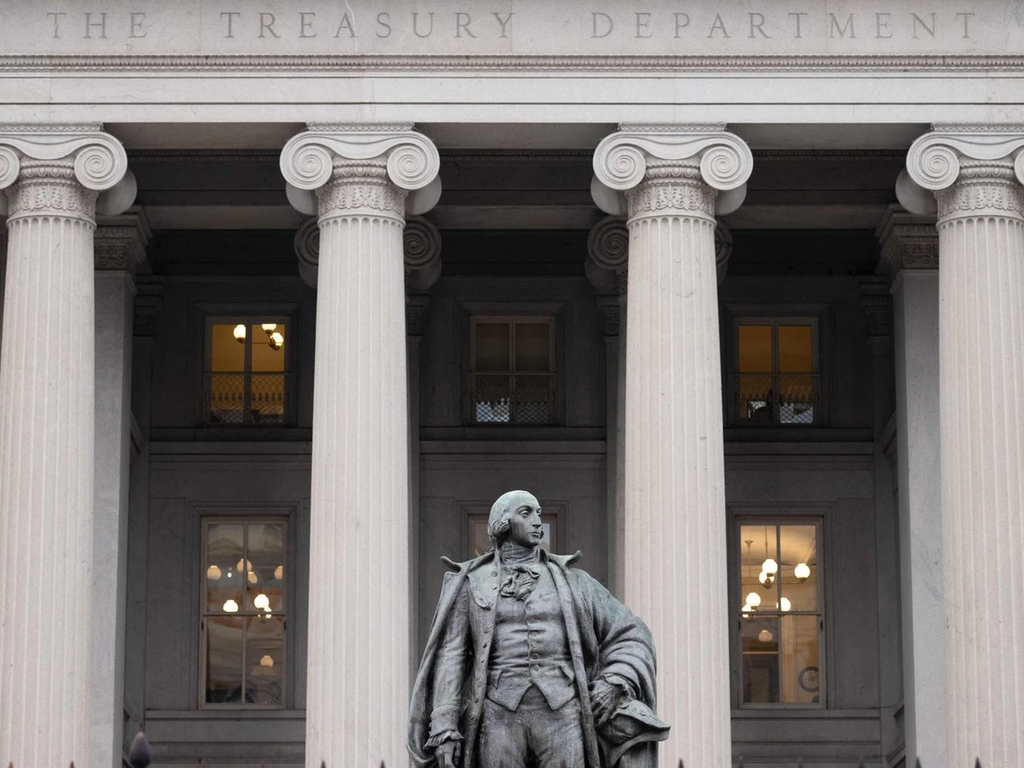
For decades, the financial relationship between the United States and China was highly predictable. The United States would buy massive amounts of manufactured goods from China, and in return, China would take those billions of dollars and invest them right back into U.S. government debt. It was an arrangement that kept interest rates low for Americans and kept the global economy humming along.
But things are changing rapidly. Over the last few years, China has been stepping back from its role as the biggest foreign buyer of U.S. Treasuries. They are shedding American debt at a noticeable pace, and the financial world is paying close attention.
For the average person, talk about foreign debt, bond yields, and international trade might sound like high-level economic noise. You might think this only matters to bankers on Wall Street or politicians in Washington. The truth is much closer to home. When a major player like China changes how it handles money, the ripple effects eventually reach your bank account, your mortgage, and your retirement portfolio.
Let us break down exactly what is happening, why China is making this move, and most importantly, why every investor needs to be paying attention right now.
The Big Shift: What Exactly Are U.S. Treasuries?
Before we look at why China is selling, it helps to understand what they are actually holding. When the United States government needs money to fund its operations, build infrastructure, or pay for public services, it does not just print cash. Instead, it borrows money by issuing U.S. Treasury securities.
The $0 Secret To Launching Your Entire Online Empire
Why pay hundreds every month for separate software? Build funnels, send emails, and make sales with Systeme.io completely free.
Get Started For $0Free Forever • No Credit Card Needed • Beginner-Friendly
Think of a Treasury bond as an IOU from the U.S. government. When an individual, a company, or another country buys a Treasury bond, they are lending money to the United States. In return, the U.S. promises to pay that money back on a specific date, along with regular interest payments along the way.
Because the United States has the largest economy in the world and has never failed to pay its debts, these Treasuries are considered one of the safest investments on the planet. For a long time, countries with large cash reserves, like Japan and China, bought these bonds by the truckload. It was a safe place to park their massive wealth while earning a steady return.
The Historical Buying Spree
Throughout the 2000s and 2010s, China’s economy grew at a blistering pace. As the factory of the world, they exported trillions of dollars worth of goods. They received U.S. dollars in exchange for these goods. To keep their own currency stable and to safely store their new wealth, they used those dollars to buy U.S. Treasuries.
At its peak around a decade ago, China held over a trillion dollars in U.S. debt. They were consistently the top foreign holder, essentially acting as America’s biggest banker. This massive demand for U.S. bonds helped keep American borrowing costs incredibly low.
The Current Decline
Fast forward to today, and the picture looks very different. Official financial data shows that China’s holdings of U.S. Treasury securities have dropped significantly, falling well below the one trillion dollar mark and hitting levels we have not seen in over a decade. They are not just slowing down their purchases; they are actively allowing their existing bonds to mature without buying new ones to replace them, and in some cases, they are selling them off.
This is a deliberate and calculated shift. China is reorganizing its national wallet, and they are moving away from the U.S. dollar.
Why Is China Stepping Back?
This massive financial pivot is not happening by accident. There are several deep-rooted reasons why Beijing is deciding that holding American debt is no longer in its best interest.
The Fear of Financial Sanctions
Geopolitics is playing a massive role in this financial shift. We recently saw how the United States and its allies responded to global conflicts by freezing the central bank assets of heavily sanctioned countries, such as Russia. Billions of dollars in foreign reserves were rendered useless almost overnight because they were tied up in Western financial systems.
China watched this happen and took detailed notes. If tensions between the U.S. and China were to escalate over trade, technology, or territorial disputes, China knows that holding a massive chunk of its national wealth in U.S. dollars is a huge vulnerability. By selling off U.S. Treasuries, China is actively reducing the leverage the United States has over its economy. They are essentially protecting their national savings from future political disputes.
The Rush for Gold
If China is not buying U.S. debt, where are they putting all their money? The answer is physical gold. The Chinese central bank has been on an unprecedented gold-buying spree over the last few years.
Gold is the ultimate financial safe haven. It does not carry the political risk of another country’s currency. No foreign government can freeze a gold bar sitting in a vault in Beijing. By dumping U.S. paper assets and stacking up physical gold, China is building a financial fortress that operates completely outside the control of the Western banking system. You can read more about global market trends on sites like Reuters.
Pushing for a Multipolar Financial World
China is actively trying to elevate its own currency, the Yuan, on the global stage. Along with other emerging economies, they are pushing for a system where countries trade with each other using their own local currencies instead of relying entirely on the U.S. dollar.
This trend, often called de-dollarization, is gaining momentum. By reducing their reliance on the dollar and U.S. Treasuries, China is sending a message to the rest of the world. They are trying to show that alternative financial systems are possible, encouraging trading partners to bypass the U.S. financial network altogether.
Who Is Buying the Debt Now?
A common question that comes up is what happens to the U.S. government if its biggest customer leaves the store. Does the U.S. run out of money?
Not exactly. The demand for U.S. debt is still incredibly high globally. Other countries, institutional investors, pension funds, and everyday citizens still buy Treasuries. Japan, for instance, remains a massive holder of U.S. debt. Additionally, domestic buyers in the United States have stepped up to absorb a lot of the supply.
Send, Spend & Hold Money Worldwide Without Hidden Fees
Transfer money internationally at the real exchange rate and hold 40+ currencies in one account.
Open a Wise AccountMid-market rate • Fast transfers • 40+ currencies
However, when a giant buyer like China leaves the auction, the dynamics of the auction change. The U.S. government now has to work a little harder to find buyers for its debt.
Why Should Everyday Investors Care?
This is where the story connects to your wallet. You might not trade international bonds, but the mechanics of this shift impact the everyday economy in ways that you will absolutely feel.
Borrowing Costs Go Up
Imagine you are selling something at an auction. If there are a hundred eager buyers, you can demand a high price. But if your wealthiest, most reliable buyer suddenly walks out of the room, you might have to lower your price or offer better terms to convince the remaining people to buy.
The bond market works the same way. When demand from China drops, the U.S. government has to offer higher interest rates to attract other buyers. This is a fundamental rule of finance: when bond prices go down due to lower demand, the yields, or interest rates, go up.
Why does this matter to you? Because the interest rate on U.S. Treasuries is the baseline for almost every other type of loan in the world. When the U.S. government has to pay higher interest rates, banks pass those costs down to consumers.
This means higher mortgage rates when you try to buy a house. It means more expensive auto loans when you need a new car. It means the interest rates on your credit cards creep higher. China stepping away from U.S. debt contributes directly to a higher cost of living and borrowing for the average consumer.
Stock Market Jitters
Higher interest rates are generally bad news for the stock market. When borrowing money becomes expensive, companies have a harder time expanding their operations, hiring new employees, or investing in new technology. Their profit margins get squeezed.
Furthermore, when the interest rates on safe government bonds go up, investors start to rethink their strategies. Why risk money in the stock market if you can get a guaranteed, highly attractive return just by lending money to the government? This causes money to flow out of stocks and into bonds, which can cause stock prices to drop or stagnate. If your retirement account is heavily invested in the stock market, these macro shifts in bond demand can put a dent in your long-term growth.
The Value of the U.S. Dollar
For decades, the constant demand for U.S. Treasuries created a constant demand for U.S. dollars. Countries needed dollars to buy the bonds. This kept the value of the dollar strong on the global stage.
As countries like China stop buying dollar-denominated debt and start trading in other currencies or gold, the demand for the dollar could slowly weaken. A weaker dollar means that imported goods become more expensive. Since the United States imports a massive amount of consumer goods, electronics, and clothing, a drop in the dollar’s strength can lead to higher inflation at the grocery store and the shopping mall.
The $0 Secret To Launching Your Entire Online Empire
Why pay hundreds every month for separate software? Build funnels, send emails, and make sales with Systeme.io completely free.
Get Started For $0Free Forever • No Credit Card Needed • Beginner-Friendly
How You Can Protect Your Portfolio
Understanding this macroeconomic shift is the first step. The second step is adjusting your financial strategy to protect your hard-earned money and possibly even benefit from the changing tides.
Diversification is Key
The old rule of not putting all your eggs in one basket has never been more relevant. If the U.S. dollar and American markets face headwinds due to changing global demand for debt, you need to ensure your investments are spread out.
Look into international stocks and emerging markets. While the U.S. has dominated global returns for the last decade, the next decade might see stronger growth in other regions. By holding a globally diversified portfolio, you protect yourself if the domestic market takes a hit due to rising borrowing costs.
Keep an Eye on Gold and Commodities
If the central banks of the world are loading up on physical gold, it might be worth paying attention to their strategy. Gold has historically acted as a reliable hedge against inflation and currency devaluation.
You do not necessarily need to buy physical gold bars and bury them in your backyard. Many investors gain exposure to gold through exchange-traded funds or by investing in companies that mine precious metals. Commodities, in general, tend to hold their value well when paper currencies are under pressure.
Consider Short-Term Bonds
If interest rates are expected to remain high or climb further because of a lack of foreign demand for U.S. debt, long-term bonds can be risky. If you buy a 10-year bond today and interest rates go up tomorrow, your bond loses value.
Instead, many investors are looking at short-term Treasury bills or high-yield savings accounts. These allow you to capture the currently high interest rates without locking your money away for years. As rates adjust, you can continuously roll your money over into new, higher-yielding short-term investments.
The Bigger Picture for Global Finance
We are witnessing a slow but massive transition in how global finance operates. The era of the United States running massive deficits, completely funded by cheap foreign capital, is facing new challenges.
China’s decision to dump U.S. debt is not going to cause an overnight collapse of the American economy. The U.S. financial system is incredibly deep and resilient. However, it does signal a return to a more normalized economic environment where borrowing money actually costs money.
The days of near-zero interest rates might be behind us for a very long time. Investors who understand why this is happening will be much better prepared to navigate the markets in the coming years.
Frequently Asked Questions (FAQs)
What happens if China sells all its U.S. debt at once?
If China were to dump all of its holdings simultaneously, it would cause a sudden and severe spike in interest rates, which could trigger a global financial panic. However, this is highly unlikely. Doing so would crash the value of the bonds they are trying to sell, meaning China would lose billions of dollars in the process. They are choosing a slow, calculated reduction instead.
Are U.S. government bonds still a safe investment?
Yes. Despite the lack of demand from China, U.S. Treasuries are still backed by the full faith and credit of the United States government. The risk of the U.S. defaulting on its debt remains incredibly low. The real risk for investors is interest rate risk, meaning the value of your current bonds might drop if new bonds are issued at higher rates.
Does this mean the U.S. dollar will lose its status as the world reserve currency?
The U.S. dollar is still by far the most dominant currency in global trade and finance. While the trend of de-dollarization is growing, and countries are testing alternatives, completely replacing the dollar would take decades. The dollar is too deeply ingrained in global banking to disappear anytime soon.
Should I pull my money out of the stock market?
No, panic selling is rarely a good strategy. The stock market has survived major geopolitical shifts before. The best approach is to review your portfolio, ensure it is properly diversified across different asset classes and geographies, and adjust your expectations for future returns.
Conclusion
The financial world is constantly moving, and the relationship between the world’s two largest economies is at the center of that movement. China stepping away from U.S. Treasuries is a clear signal that the rules of the game are shifting.
While it might not be headline news on every local television station, this transition impacts the interest rates you pay, the value of the money in your wallet, and the growth potential of your investments. By staying informed and keeping a close watch on these global trends, you can make smarter, more resilient financial choices for your future.
If you want to know more about our mission to bring you the best news and insights, check out our About Us page. We love hearing from our readers, so if you have questions or topics you want us to cover, reach out via our Contact Page.
Do not forget to join our growing community online! Follow us on Instagram, join the conversation on Facebook, and get the latest quick updates on X. Stay curious, stay informed, and keep making smart moves.
