
A federal judge in California has officially blocked the U.S. government from deporting international students and noncitizens for criticizing Israel or expressing support for Palestinians. Judge Noël Wise, sitting in San Jose, ruled that using visa cancellations to silence political views on college campuses violates both the First Amendment and the Fifth Amendment of the U.S. Constitution.
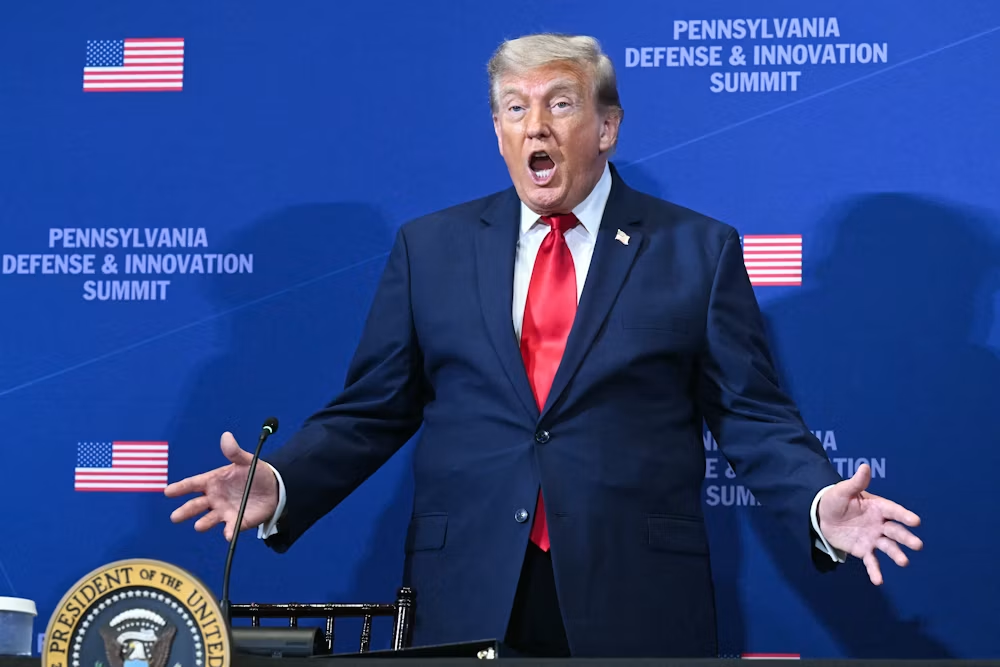
The decision marks a major legal setback for the Trump administration’s efforts to target noncitizen student activists. For months, foreign students across American universities faced the frightening prospect of losing their visas, getting kicked out of school, and being deported simply for attending peaceful rallies or writing articles critical of U.S. foreign policy.
This major legal victory came after The Stanford Daily, the student-run newspaper at Stanford University, joined forces with civil liberties organizations to challenge federal deportation threats. The student reporters argued that the government’s threats created a heavy cloud of fear, preventing international students from speaking out or participating in basic journalism.
Now, the federal court has made it clear that the right to express political opinions belongs to everyone living in the country, regardless of whether they hold U.S. citizenship.
What the Federal Court Ruling Means for Student Free Speech
Judge Noël Wise wrote a detailed opinion explaining why the federal government’s deportation tactics went too far. In her written decision, she stressed that freedom of speech becomes meaningless if people are only allowed to say things that flatter government leaders.
The $0 Secret To Launching Your Entire Online Empire
Why pay hundreds every month for separate software? Build funnels, send emails, and make sales with Systeme.io completely free.
Get Started For $0Free Forever • No Credit Card Needed • Beginner-Friendly
She noted that freedom of speech and a free press are basic foundations of American democracy. When the government uses deportation as a weapon against political critics, it creates what lawyers call a “chilling effect.” That means people stop speaking out because they are terrified of getting punished by immigration authorities.
The judge pointed out that you can dislike what someone says while still protecting their constitutional right to say it. Protecting speech you disagree with is actually a sign of national strength, not weakness.
The Core Principles Behind Judge Wise’s Decision
The court focused heavily on how free expression functions in a democratic society. Judge Wise wrote that freedom of speech is illusory if people are only free to express complementary views about government officials and their decisions.
She explained that allowing the government to punish noncitizens for political speech sets off a dangerous downward spiral. If immigration officers can punish foreign students for criticizing foreign policy today, tomorrow the government could target anyone who speaks out against official actions.
Protecting speech across college campuses ensures that universities remain places where students can test ideas without fear of government retaliation.
Key Constitutional Rights at Stake
The ruling highlighted two main constitutional protections that the federal government violated:
- First Amendment Speech and Press Protections: The court confirmed that noncitizens living in the United States enjoy First Amendment rights to free speech, peaceful assembly, and free press. Expressing political opinions on foreign wars or international relations is core protected speech.
- Fifth Amendment Due Process and Vagueness: The government’s enforcement guidelines were so vague that ordinary people could not figure out what speech was allowed and what was forbidden. International students were left guessing what U.S. foreign policy was at any given moment, making the rules unconstitutionally confusing.
By striking down these vague deportation provisions, the court sent a direct message to federal authorities that immigration discretion does not overrule constitutional protections.
How The Stanford Daily and FIRE Fought Back
The lawsuit reached the federal court thanks to legal action filed by the Foundation for Individual Rights and Expression (FIRE), a non-profit civil liberties organization. They represented The Stanford Daily, whose student reporters were finding it increasingly difficult to cover campus news.
Many international students attending Stanford University were afraid to speak to student journalists. They worried that if their names appeared in a campus newspaper article discussing the war in Gaza or Palestinian rights, immigration officers would revoke their visas.
This fear was grounded in reality. Immigration authorities had already taken retaliatory actions against noncitizens who participated in campus demonstrations or expressed pro-Palestinian views.
The Chilling Effect on Campus Newsrooms
Student newspapers depend on sources who are willing to talk freely. When foreign students went silent out of fear, student newsrooms could not cover political developments accurately.
Reporters were forced to leave out important voices or skip covering major campus events altogether. This damaged the overall quality of campus journalism and kept the broader community in the dark.
By stepping forward as plaintiffs in the lawsuit, The Stanford Daily defended not only its own reporters but also thousands of foreign students attending colleges across the nation.
Statements from the Legal Team and Student Editors
Conor Fitzpatrick, an attorney at FIRE who led the legal battle, praised the court’s decision. He emphasized that free speech in America does not belong only to people who say things the government agrees with.
George Porteous, the editor-in-chief of The Stanford Daily, shared his relief following the ruling. He explained that student reporters in their newsroom should never have to worry that writing a news story could end up causing their deportation.
Send, Spend & Hold Money Worldwide Without Hidden Fees
Transfer money internationally at the real exchange rate and hold 40+ currencies in one account.
Open a Wise AccountMid-market rate • Fast transfers • 40+ currencies
With this victory, student journalists can return to reporting on complex political topics without facing threats from federal immigration agencies.
Understanding the Background: Campus Protests and Visa Enforcement
To understand why this court ruling is such a huge milestone, it helps to review how political tensions unfolded on American university campuses over the past year.
Colleges across the United States became focal points for intense public debate surrounding the war in Gaza and U.S. foreign policy in the Middle East. Students organized peaceful marches, rallies, panel discussions, and tent encampments to express solidarity with Palestinians and demand university action.
While university administrators struggled to manage political tension on campus, federal immigration authorities began stepping in with aggressive policies.
The Rise of Student Activism on Gaza and Foreign Policy
Student activism has a long history in the United States, from anti-war protests in the 1960s to civil rights movements and environmental campaigns. Higher education institutions are traditionally viewed as open spaces where young adults test political ideas and engage in public debate.
However, modern student activism faced unprecedented government pushback. Federal immigration enforcement began focusing on noncitizens who joined political demonstrations, treating political dissent as a potential visa violation.
This policy created deep anxiety among foreign students who moved to the U.S. to pursue degrees, conduct scientific research, and gain valuable professional experience.
How Foreign Visas Became a Target for Suppression
International students hold specific nonimmigrant visas, such as F-1 student visas, which require them to follow strict federal rules to maintain their legal status.
The Trump administration tried to stretch those rules by claiming that participating in protests critical of Israel or U.S. foreign policy disrupted campus operations or conflicted with national interests. Officials announced that noncitizens who engaged in such speech could have their student visas revoked and be placed in deportation proceedings.
Because losing a visa means instant disruption to a student’s education, career, and personal life, this tactic effectively silenced thousands of people who were afraid to take any risks.
The $0 Secret To Launching Your Entire Online Empire
Why pay hundreds every month for separate software? Build funnels, send emails, and make sales with Systeme.io completely free.
Get Started For $0Free Forever • No Credit Card Needed • Beginner-Friendly
Prior Legal Precedents: The Boston District Court Ruling
This California decision is part of a growing line of legal rulings protecting student rights. Nearly a year before Judge Wise’s decision, a federal district judge in Boston reached a similar conclusion.
The Boston court ruled that targeting non-U.S. citizens for deportation solely because they supported Palestinian rights or criticized Israeli actions violated the U.S. Constitution.
Judge Wise explicitly built upon those earlier legal findings, reinforcing the rule that executive agencies cannot bypass constitutional guarantees under the guise of managing foreign policy or immigration.
Why Academic Freedom Depends on Protecting International Students
International students contribute immensely to American higher education. They bring unique global perspectives, diverse life experiences, and fresh insights to university discussions.
When foreign students are forced to suppress their viewpoints out of fear, academic discussions become sterile and one-sided. True learning requires engaging with uncomfortable or challenging ideas.
If noncitizens are stripped of their right to speak, classrooms lose the rich debate that makes higher education valuable.
The Global Perspective in University Classrooms
In fields like international relations, political science, history, and law, foreign students offer firsthand knowledge about global issues. Their voices help American classmates understand complex world events from different angles.
Silencing these students damages the educational experience for domestic students as well. A university environment where certain political topics are off-limits for foreign students creates an atmosphere of self-censorship that harms everyone.
Protecting foreign students allows universities to maintain their status as global leaders in open research and scholarly debate.
Protecting Independent Student Journalism
Student newspapers are the lifeblood of campus communication. They hold university administrators accountable, document historic campus events, and give young writers real-world journalism experience.
When government policies intimidate student sources, newspapers cannot publish balanced news stories. The victory won by The Stanford Daily ensures that student outlets can continue covering sensitive topics without fear of federal interference.
Free speech protections give student newsrooms the safety they need to report truth to power.
Modern Tools, AI, and Online News Publishing
The media landscape has changed dramatically in recent years. Modern journalists and content creators use digital platforms, blogs, and social channels to share news quickly and reach global audiences.
Many writers and publishers rely on modern tools like technology and AI developments to organize complex news research, check facts, and edit articles faster. Others build independent video channels and news outlets using creative approaches like YouTube automation strategies to reach wider audiences.
When legal protections preserve free speech, creators can continue sharing vital perspectives online without fear of unlawful government censorship.
The Danger of Selective Speech Rules
One of the most important aspects of Judge Wise’s decision is her emphasis on the danger of selective free speech enforcement.
If government agencies are allowed to decide which political views are acceptable and which ones deserve deportation, freedom of expression ceases to exist.
Political power changes hands over time. A law or executive tactic used today against one political group can easily be turned against a completely different group tomorrow.
Why Silencing Foreign Students Threatens Everyone
When basic constitutional rights are eroded for noncitizens, it weakens constitutional protections for everyone else in society.
If the public accepts that the government can punish foreign students for their speech, it sets a dangerous legal precedent. Over time, authorities can use similar excuses to restrict the speech rights of green card holders, naturalized citizens, and native-born citizens.
That is why civil liberties groups defend free speech across the board, even when the speech involves unpopular or controversial political opinions.
Due Process and the “Vagueness” Problem
Under the Fifth Amendment, laws and government regulations must be clear. People must be able to understand what conduct is legal so they can adjust their behavior accordingly.
The government’s deportation policy failed this standard completely. Foreign students had no clear way of knowing what specific words, phrases, or protest actions might trigger a visa revocation.
Judge Wise called this an incomprehensible standard. She noted that while the executive branch has broad power over immigration, that power must still operate within clear, predictable, and fair legal rules.
What Lies Ahead in the Legal Battle?
Although this ruling represents a major victory for students and civil liberties advocates, the broader legal discussion is still evolving.
The U.S. Department of Justice has not yet stated whether it plans to appeal Judge Wise’s ruling to the Ninth Circuit Court of Appeals. If an appeal is filed, higher courts will review the case to determine whether to uphold or overturn the injunction.
In the meantime, the federal court’s order remains in effect. Federal immigration agencies cannot use political speech or criticism of Israel as a legal basis to revoke visas or deport noncitizen students.
Practical Legal Protection Steps for Students Today
If you are an international student currently studying at an American university, here are basic facts to keep in mind regarding your rights:
- Your speech is constitutionally protected: You have the legal right to express political views, write articles, sign petitions, and attend peaceful rallies without facing automatic visa revocation.
- Distinguish between peaceful speech and policy violations: While peaceful political expression is protected, university campus rules regarding class attendance, property use, and noise levels still apply to all students.
- Keep records of any communication: If university administrators or immigration officials contact you regarding your political activities, save copies of all emails and written notices.
- Know where to get legal help: Organizations like the Foundation for Individual Rights and Expression offer support and legal resources for students facing speech restrictions.
Frequently Asked Questions (FAQs)
Can the U.S. government deport an international student for criticizing Israel?
No. A federal judge in California ruled that the U.S. government cannot deport foreign students or revoke their visas simply for criticizing Israel or expressing support for Palestinian rights.
Do noncitizens in the United States have First Amendment rights?
Yes. Federal courts have consistently held that noncitizens living in the U.S. are protected by First Amendment rights to free speech, free press, and peaceful assembly.
Who brought this lawsuit against the government?
The lawsuit was filed by the Foundation for Individual Rights and Expression (FIRE) on behalf of The Stanford Daily, the student-led newspaper at Stanford University.
Why did the judge rule against the government’s policy?
Judge Noël Wise ruled that the government’s policy violated the First Amendment by retaliating against political speech and violated the Fifth Amendment because the immigration rules were unconstitutionally vague.
Does this ruling protect student journalists?
Yes. The ruling specifically protects student journalists and student newspapers, allowing them to report on political events and quote international sources without fear of deportation threats.
Final Thoughts
This federal court decision is a historic win for free speech, campus journalism, and international student rights. By stopping attempts to deport noncitizens over political opinions, the legal system has reaffirmed that open debate is a vital part of higher education.
International students and student journalists can now participate in discussions, write articles, and share their global perspectives without fearing that their political views will destroy their academic careers.
To read more about our background and stay updated on important global news, visit our About Us page. If you have questions, story suggestions, or general feedback, feel free to get in touch through our Contact page.
Connect with our active social media channels to stay informed and share your thoughts on this ruling:
- Follow us on Instagram for real-time news updates.
- Connect with us on Facebook to join community conversations.
- Follow us on X (formerly Twitter) for trending news alerts.
