
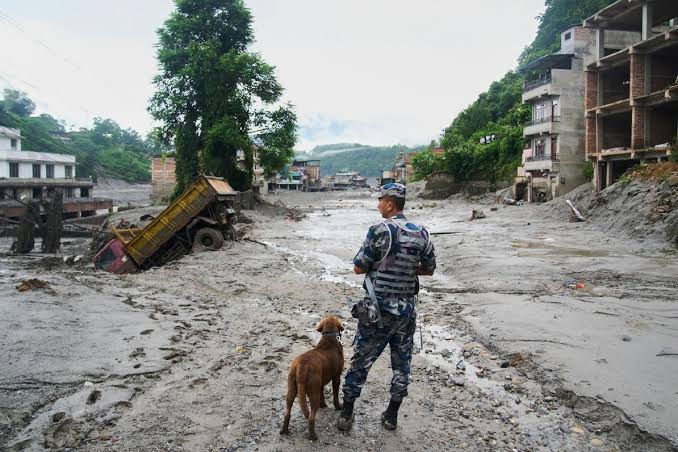
A sudden and catastrophic flash flood along the Nepal-Tibet border has left at least 93,000 people in desperate need of emergency help. The disaster, triggered by a massive glacial collapse high in the Himalayas, sent a deadly surge of water, mud, rocks, and ice tearing down river valleys, crushing entire communities in its path.
More than 540 people have been confirmed dead, while over 1,500 people remain missing across affected regions in Nepal and Tibet. Search and rescue teams are racing against time, but destroyed roads, broken bridges, and the constant threat of secondary flooding are severely slowing down emergency operations.
The situation on the ground is changing quickly, and aid agencies are working around the clock to reach isolated mountain villages. For tens of thousands of survivors, the struggle to find clean water, safe shelter, and medical care is just beginning.
Timeline of the Disaster: How the Surge Unfolded
Understanding how this tragedy developed requires looking back at the weather patterns over recent weeks. High-altitude mountain areas across Nepal and Tibet experienced weeks of relentless monsoon rains. These heavy rains soaked the high mountain soil and weakened steep rocky slopes throughout the region.
Early on Wednesday morning, August 26, 2026, a massive section of a high-altitude glacier broke loose near Langtang National Park in Nepal. The sheer weight of millions of tons of ice crashing down onto the valley floor caused an immediate geological shock.
The $0 Secret To Launching Your Entire Online Empire
Why pay hundreds every month for separate software? Build funnels, send emails, and make sales with Systeme.io completely free.
Get Started For $0Free Forever • No Credit Card Needed • Beginner-Friendly
The falling glacier smashed into accumulated water and sediment, creating a massive wall of liquid mud, ice blocks, and massive boulders. This deadly mixture roared down the mountain valleys at high speeds, gathering more material as it moved.
By Wednesday afternoon, the floodwaters hit populated river valleys along the border. Over Wednesday night and into Thursday, water levels flooded towns and swept away critical infrastructure. By Friday morning, August 28, temporary dams created by falling mud began to overflow, triggering fresh flood warnings and forcing rescuers to retreat.
How the High-Altitude Himalayan Glacial Collapse Happened
The mechanism behind this natural disaster is known as a glacial hazard event. High in the Himalayan mountain range, glaciers naturally hold back huge amounts of water and ice. When heavy rain falls continuously, water collects in high-altitude basins and saturates the surrounding rock structure.
When the glacier collapsed near Langtang National Park, the energy released was immense. The ice mass did not simply melt into water; it acted like a giant hammer striking the valley floor. The force pulverized rock and dislodged thousands of tons of soil.
The sudden rush of water surged into local river channels, including the Lhende, Bhote Koshi, and Trishuli rivers. As the water moved down narrow mountain valleys, it gathered speed and force, tearing down trees, boulder formations, and concrete structures along its path.
Residents living along the riverbanks had almost no warning before the torrent arrived. In many areas, the sound of roaring water was the only warning people received before their homes were submerged or swept away.
Communities Cut Off: Destroyed Roads and Broken Bridges
The physical destruction left behind by the flash floods spans across several mountain districts. In Nepal, the worst-affected areas include the Rasuwa, Nuwakot, and Dhading districts. Across the border in Tibet, Gyirong County suffered heavy damage as well.
In the town of Bidur, located in the Nuwakot district, major buildings were ruined within minutes. Local banks, government offices, and local shops were completely filled with heavy mud and stones. Main concrete roads were ripped apart, making it impossible for normal vehicles to drive through the town.
Key transit routes connecting major hubs have been shut down completely. The primary highway linking Kathmandu, the capital of Nepal, to Lhasa in Tibet has suffered massive landslides and structural failures. The land border crossing at Gyirong Port remains completely blocked by fallen rocks and debris.
Because bridges spanning mountain gorges have been swept away, whole villages are currently isolated. Communication networks and power grids were also knocked out, leaving thousands of families unable to call for emergency help or reach out to relatives.
Survivors Share Stories of Fear and Survival
For the people who lived through the initial flood wave, the experience was terrifying. Many survivors describe hearing a massive sound like low thunder coming from up the mountain, followed quickly by a wall of black water and mud.
In several villages along the Trishuli River, families had only seconds to react. Many people survived by climbing onto the roofs of concrete buildings or clinging tightly to large trees while water rushed beneath them.
Outside hospitals in Kathmandu, relatives who traveled from damaged districts gather along sidewalks holding photographs of missing family members. They check passenger lists from rescue helicopters and ask emergency workers for any updates about missing loved ones.
In mountain communities where roads are destroyed, neighbors are working together to search through mud-filled homes. Even without heavy machinery, local residents are using simple hand tools to dig through debris in search of survivors.
Red Cross Alert: 93,000 People Face Immediate Survival Crisis
The International Federation of Red Cross and Red Crescent Societies released a serious warning regarding the human cost of the flood. David Fisher, the Red Cross head of delegation for Nepal, described the scale of the trauma as enormous.
Send, Spend & Hold Money Worldwide Without Hidden Fees
Transfer money internationally at the real exchange rate and hold 40+ currencies in one account.
Open a Wise AccountMid-market rate • Fast transfers • 40+ currencies
At least 93,000 people are currently in urgent need of basic relief supplies. Thousands of families have lost their houses entirely or have seen their homes damaged beyond repair. Families are now forced to sleep in open fields, temporary tents, or crowded public buildings under harsh weather conditions.
The immediate needs of survivors are growing every hour. Displaced families urgently need:
- Clean drinking water to prevent the spread of waterborne diseases like cholera and dysentery.
- Emergency food packages for families who lost their stored crops, cattle, and food supplies.
- Temporary shelter materials like tarpaulins, warm blankets, and mattresses for cold mountain nights.
- Basic hygiene kits, soap, and medical supplies to care for injured survivors and maintain sanitation.
Because mountain areas can get very cold at night, lack of shelter poses a severe health risk, especially for young children, pregnant women, and elderly residents.
Secondary Floods Threaten Rescue Operations
Rescue operations in the disaster zones have faced major disruptions due to new environmental dangers. The massive landslide created temporary dams along rivers when piles of mud and rock blocked the natural flow of water.
On Friday morning, water behind one of these natural debris dams began overflowing. This sent a fresh surge of water down the Trishuli River, forcing rescue workers and survivors to evacuate immediately. People who had returned to search for lost belongings in ruined towns like Bidur had to run up hillsides to escape the rising water.
The National Disaster Risk Reduction and Management Authority in Nepal issued urgent safety alerts for residents along the Bhote Koshi and Trishuli rivers. Everyone in low-lying areas was advised to move to higher ground until water levels stabilize.
These repeated flood warnings force rescue teams to pause operations repeatedly. Every delay reduces the chances of finding missing people alive under the mud and heavy debris.
Heroic Rescue Efforts on the Frontlines
Despite extreme obstacles, military personnel, emergency responders, and local volunteers are working tirelessly. The Nepali Army has deployed rescue helicopters to reach remote villages where roads no longer exist. Helicopter crews have airlifted over a hundred injured people to Kathmandu for specialized medical treatment.
On the ground, local residents are doing everything they can to clear pathways using basic tools like shovels, pickaxes, and bare hands. Families stand outside hospitals and emergency shelters holding photographs of missing relatives, hoping for any positive news.
Search crews have reported finding victims far downstream from the main disaster site. Bodies have been recovered near the Indian border in the Chitwan district of Nepal, demonstrating how strong and far-reaching the flood currents were.
The $0 Secret To Launching Your Entire Online Empire
Why pay hundreds every month for separate software? Build funnels, send emails, and make sales with Systeme.io completely free.
Get Started For $0Free Forever • No Credit Card Needed • Beginner-Friendly
Local Red Cross volunteers are navigating dangerous footpaths on foot to distribute emergency kits, clean water tablets, and basic food items to trapped villagers.
Economic and Infrastructure Challenges Ahead
Beyond the immediate loss of life and property, the flash floods have dealt a heavy blow to the regional economy. Mountainside farming communities have lost farmland, livestock, and vital irrigation channels that sustain local agriculture.
Trade between Nepal and China has also come to a sudden halt. The land border crossing at Gyirong Port is a crucial trade corridor for goods moving into Nepal. With roads buried and bridges collapsed, freight trucks are trapped on both sides of the border.
Rebuilding damaged infrastructure will require significant financial investment and months of engineering work. Repairing bridges over deep mountain rivers will be especially challenging given the difficult terrain and unstable mountain slopes.
Local business owners in towns like Bidur face immense financial loss. Many lost their entire inventory when floodwaters flooded storefronts, leaving them with no income while trying to rebuild their homes.
Climate Factors, Early Warnings, and Technology
Events like the Nepal-Tibet flash flood highlight the growing risks faced by communities living near high mountain ranges. Rising global temperatures can cause mountain glaciers to melt faster, creating unstable lakes of ice and water high above mountain valleys.
When combined with heavy monsoon precipitation, these high-altitude water bodies can collapse without warning. Early warning systems, satellite monitoring, and rapid communication tools are becoming essential for saving lives in vulnerable regions.
Modern disaster management relies heavily on advanced data collection and automated systems to track weather patterns and river levels. Understanding how innovations in Technology and AI help model natural disasters can improve early response times for emergency workers in the future.
Simultaneously, getting fast, accurate news to the public during a crisis is crucial. Independent digital creators and news channels often use tools like YouTube Automation to publish timely educational content and raise awareness about emergency relief efforts worldwide.
Frequently Asked Questions (FAQs)
What caused the flash floods along the Nepal-Tibet border?
The flash flood was caused by a sudden high-altitude glacial collapse in Nepal’s Langtang National Park on August 26, 2026. A large section of a glacier broke off after weeks of heavy monsoon rains, creating a massive flow of ice, mud, and water that rushed down local rivers.
How many people are affected by the flood disaster?
The Red Cross estimates that at least 93,000 people have been affected and require urgent humanitarian aid. Over 540 deaths have been confirmed, and more than 1,500 people remain missing across Nepal and Tibet.
Which regions suffered the most damage?
In Nepal, the hardest-hit areas are the Rasuwa, Nuwakot, and Dhading districts. In Tibet, Gyirong County experienced severe damage. Key towns like Bidur saw major buildings destroyed and roads covered in thick mud.
Why are rescue teams having trouble reaching affected areas?
Landslides and floodwaters destroyed critical infrastructure, including major roads and bridges. In addition, power cuts and damaged mobile phone networks make communication difficult, while the threat of secondary floods has forced teams to pause rescue work repeatedly.
What is a glacial collapse flash flood?
A glacial collapse flash flood occurs when a glacier or high-altitude ice formation breaks apart, releasing millions of tons of ice and meltwater into steep river valleys below. The rapid downhill movement picks up mud, rocks, and trees, creating a destructive mudslide.
How long will the recovery and rebuilding process take?
Emergency relief operations will likely continue for several weeks. However, rebuilding destroyed highways, bridges, electricity grids, and entire neighborhoods will take many months or even years of coordinated effort.
How can people support relief efforts for flood victims?
You can support emergency relief by donating to recognized international humanitarian organizations such as the Red Cross. Sharing verified news updates on social media platforms also helps raise global awareness for those in need.
Standing Together in Times of Disaster
The catastrophic flash floods on the Nepal-Tibet border remind us how fragile mountain communities can be when sudden natural disasters strike. As emergency workers work around the clock to reach missing individuals and care for survivors, global support and clear information remain vital.
Staying connected and informed helps build empathy and awareness for causes that matter. You can read more stories and updates on our About Us page or reach out directly via our Contact Us page.
To stay updated on important news and global events, join our online community across social media. Follow us on Facebook, connect with us on X (formerly Twitter), and check out our visual updates on Instagram. Together, keeping the conversation going helps bring attention to communities rebuilding after crisis.
