
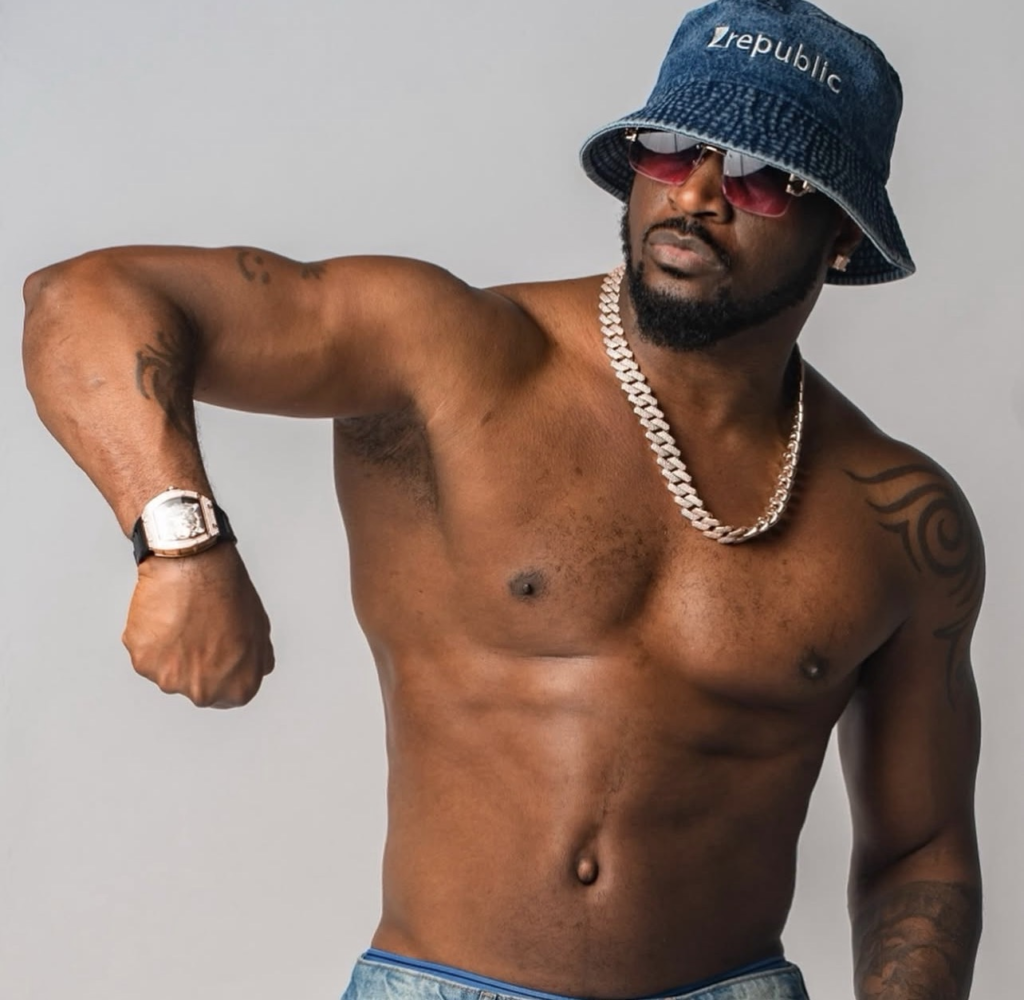
If you listened to African music anywhere in the 2000s or 2010s, you definitely know P-Square. Twin brothers Peter and Paul Okoye were an unstoppable force in pop music.
They filled massive stadiums across the continent, topped music charts month after month, and created dance moves that defined a whole generation. From wedding receptions to school parties and street jams, their hit songs were everywhere.
When news first broke years ago that the brothers were having serious personal problems, music fans across the world were heartbroken. Then came their emotional reunion in 2021, when it seemed like all their old quarrels were finally fixed. But as we know now, that peace did not last very long. The iconic group split up once again, leaving millions of fans confused, sad, and asking endless questions.
Recently, Peter Okoye, who is also known by his solo name Mr P, decided to break his silence. He shared his side of the story in full detail, addressing the drama, the money issues, the deep family conflicts, and the painful allegations that have circulated online for years.
Here at WhatsBuzzn, we are breaking down everything Peter revealed so you can understand what really caused the downfall of Africa’s biggest music duo.
Build Funnels, Email Lists & Sell Online With One Free Tool
Create funnels, send emails, and sell online using Systeme.io without paying for multiple tools.
Create Free AccountFree forever • No credit card • Beginner-friendly
The Golden Era: How P-Square Dominated African Music
To understand why this breakup hurts so many people, it helps to remember how huge P-Square really was. Starting out in Jos, Nigeria, the brothers had a big dream and relentless drive. Combined with their older brother Jude Okoye, who acted as their long-time music video director and business manager, they formed a complete talent powerhouse.
Paul was widely known for his soulful vocal delivery and knack for creating catchy melodies. Peter was famous for his high-energy stage presence, creative choreography, production inputs, and overall visual star power. Jude handled the camera work, music videos, and behind-the-scenes management. Together, they released legendary hits like “Bizzy Body,” “Do Me,” “No One Like You,” “Alingo,” and “Personally.”
Their success went far beyond the borders of Nigeria. They toured the globe, packed giant venues in different countries, and collaborated with top international stars like Akon, Rick Ross, and T.I. You can still watch many of these legendary music videos on platforms like YouTube. They basically set the blueprint for what Afrobeats could achieve globally long before the current global wave of African music took over the world.
The First Split in 2017: A Warning Sign
Despite all their massive success and fame, heavy trouble was brewing under the surface. In 2017, the brothers had a public falling out that stunned the entire entertainment industry. Videos leaked online showing intense verbal arguments in their lawyer’s office, and wild rumors quickly filled social media platforms.
At that time, Peter felt that the internal setup of the group was unfair to him. He expressed that he was being sidelined when important decisions were being made, insulted by his twin brother Paul, and disrespected by Jude. Peter wanted equal respect and a equal say in how their group business was run.
On the other hand, Paul felt Peter was pushing too hard for change and focusing too much on his personal business ideas outside music.
That 2017 breakup led both brothers to launch separate solo careers. Peter took on the stage name Mr P, while Paul started performing as RudeBoy. Even though both brothers went on to release successful solo music and tour on their own, fans never stopped begging them to settle their differences and bring P-Square back to life.
The Emotional 2021 Reunion
In November 2021, the exact moment millions of fans had been praying for finally arrived. Peter and Paul set their differences aside, hugged each other publicly, and announced the official return of P-Square. They threw a massive reunion concert in Lagos, sang their classic hit records together, and apologized to their fans for all the years of fighting.
For nearly two years, everything looked bright. They traveled around the world together, performed on huge international stages, and continuously teased new music for their fans. Everyone expected a brand-new studio album that would put P-Square right back at the top of music charts.
However, behind closed doors, the old wounds had never actually healed properly. The core problems that led to the original split in 2017 were still present, quietly waiting to explode all over again.
Peter Okoye’s Final Revelation: What Led to the Second Breakup
The fragile peace collapsed completely when Paul granted a series of media interviews. In those interviews, Paul implied that he was responsible for writing and producing almost all of P-Square’s songs, while suggesting that Peter contributed very little musically. That was the final straw for Peter.
Peter decided he could no longer remain silent while his reputation was being dragged down. He published a detailed open letter online and granted interviews to set the record straight. He made it clear that his long silence was being mistaken for weakness and that people were believing false stories about his role in the group.
The Fight Against Disrespect and Identity Loss
One of the biggest reasons Peter decided to speak out was the long-standing narrative that he was useless in the group. For many years, critics and commentators on social media claimed that Peter was “just a dancer” while Paul was the sole creative brain behind the music.
Peter tackled this claim head-on. He explained that P-Square was always a joint effort. While Paul brought great melody ideas, Peter brought song arrangements, sound selection, stage direction, performance energy, and key structural ideas that made those songs hit records.
He pointed out how painful it was that the disrespect was not just coming from internet strangers, but from inside his own family. For Peter, staying in P-Square meant enduring constant disrespect, which was taking a heavy toll on his mental health, self-worth, and dignity.
Financial Irregularities and the EFCC Investigation
The most shocking part of Peter’s recent revelation involved money and law enforcement authorities. Public reports surfaced showing that the Economic and Financial Crimes Commission (EFCC), Nigeria’s financial crime agency, was looking into bank accounts connected to the group’s business.
Peter confirmed that he had uncovered serious financial issues regarding company royalties and group revenue. According to Peter, he discovered that a secret company had been set up without his knowledge, and money meant to be shared equally among group members was being diverted into accounts he had no access to.
He made it clear that he did not set out to put his family in legal trouble, but he had to take legal steps to trace missing funds and protect his financial future. Discovering that family members he trusted with his life were allegedly handling shared income behind his back destroyed whatever trust was left among the brothers.
Toxic Family Dynamics vs. Professional Business
Another deep issue was mixing family life with a multi-million-dollar music business. When blood brothers work together, lines easily get blurred. Childhood rivalries, personal jealousy, and family politics can easily ruin professional business decisions.
Peter pointed out that Jude’s double role as both an elder brother and the group’s business manager created an unfair dynamic. Whenever disputes happened, it felt like a two-against-one situation. Peter felt isolated and believed that business choices were being made based on family bias rather than basic fairness and logic.
He stressed that mutual respect must exist in every partnership, whether in marriage, friendship, or family business. Once respect disappears, staying together only creates ongoing bitterness and anger.
Addressing the Accusation of Sibling Jealousy
Throughout this public feud, many commentators accused both brothers of simple jealousy. Some people argued that Peter was jealous of Paul’s singing voice, while others claimed Paul was jealous of Peter’s personal brand, fitness appeal, and business projects.
Peter rejected these accusations completely. He stated that he has never been jealous of his twin brother. On the contrary, he always celebrated Paul’s vocal talent and supported him fully on and off stage. All he ever asked for was fair recognition for his own hard work and contributions to the brand.
He reminded fans that a musical group cannot survive on vocals alone. Stage presence, high-energy performance, styling, video concepts, choreography, and public relations are just as vital in making artists global superstars. Peter felt his effort in building the P-Square brand identity was intentionally being erased.
How the Fans and Music Community Reacted
The entertainment world and music fans reacted strongly to Peter’s detailed open letter. Many fans expressed deep sadness that such an iconic group had to end this way twice over money and personal pride. Others expressed strong empathy for Peter, agreeing that no human being should stay in an environment where they feel constantly cheated or degraded.
Music industry analysts pointed out that the P-Square fallout is a classic lesson on why creative artists need strict legal contracts, independent business managers, and neutral advisors. Relying only on family ties without legal structures often leads to confusion when massive amounts of money enter the picture.
You can stay connected with more trending pop culture discussions and breaking entertainment news by following our official social channels on Instagram, liking our page on Facebook, and reading our updates on X (Twitter).
Build Funnels, Email Lists & Sell Online With One Free Tool
Create funnels, send emails, and sell online using Systeme.io without paying for multiple tools.
Create Free AccountFree forever • No credit card • Beginner-friendly
Business Lessons from the P-Square Split
The story of P-Square is not just about celebrity gossip. It offers super useful lessons for anyone running a business, managing a creative group, or working with family members.
- Always put clear contracts in writing: No matter how much you love your family or friends, write every business agreement down on paper. Clear rules about percentage shares, royalty distribution, and decision-making rights must be signed from day one.
- Keep family roles separate from business roles: When you step into the office or studio, you are business partners first. When you sit down for family dinner, you are relatives. Mixing both without clear boundaries leads to messy disagreements.
- Build independent systems for your career: Modern creators do not need to rely on old-school systems alone. Using modern tools, software platforms, and online distribution helps creators stay independent and protected. You can explore our guides on YouTube Automation to see how modern creators build automated income, or learn how new developments in Technology & AI are completely changing the global entertainment industry.
What Lies Ahead for Mr P and RudeBoy?
With P-Square now effectively over for the second time, both brothers are putting all their focus on their independent journeys.
Mr P (Peter Okoye) continues to build his solo music brand alongside several business ventures outside music, including sports management, beverage brands, and real estate investments. He has made it very clear that his personal peace, dignity, and family well-being come before anything else.
RudeBoy (Paul Okoye) remains focused on his music path, releasing solo singles, working with new producers, and touring different cities as a solo performer. Both brothers have proved beyond doubt that they can survive as solo artists, even if fans still miss the magic they made together as a team.
Could there ever be another reunion down the line? While crazy things happen in show business, Peter’s recent statements suggest that performing together as P-Square again is off the table for a long time. For now, both artists are moving forward on separate paths.
Frequently Asked Questions (FAQs)
Why did P-Square split up again after their 2021 reunion?
The group split up again because long-standing problems regarding missing money, unequal song credits, secret companies, and personal disrespect were never fully fixed during their 2021 reunion. Recent public comments and financial disagreements brought those issues right back to the surface.
What was the EFCC’s involvement in the P-Square drama?
Peter Okoye noticed financial irregularities in business accounts tied to the group and brought in financial investigators to track down missing royalties and corporate earnings. This led to anti-corruption agents investigating accounts managed within their family business structure.
Was Peter Okoye only a dancer in P-Square?
No, Peter was far more than a dancer. While he is a world-class dancer and stage performer, he also contributed significantly to beat selections, song structures, video arrangements, stage energy, and business management that built the P-Square brand.
Are Peter and Paul Okoye currently talking to each other?
No, the twin brothers are currently not on good terms and are living completely separate lives, both personally and professionally.
Where can I stay updated on viral stories and celebrity updates?
You can read the latest breaking stories right here on our blog. Feel free to visit our About Page to learn more about what we do, or send us a message through our Contact Page if you have news tips or questions!
The story of P-Square is both incredible and heartbreaking. They proved to the entire world what African music could accomplish on a global scale, but their split also shows how easily big success can crumble when trust, fairness, and mutual respect disappear. As Peter Okoye continues his solo journey and shares his side of the story, music fans everywhere can only hope that, far away from cameras and music contracts, the twin brothers will eventually find personal peace with each other.
