
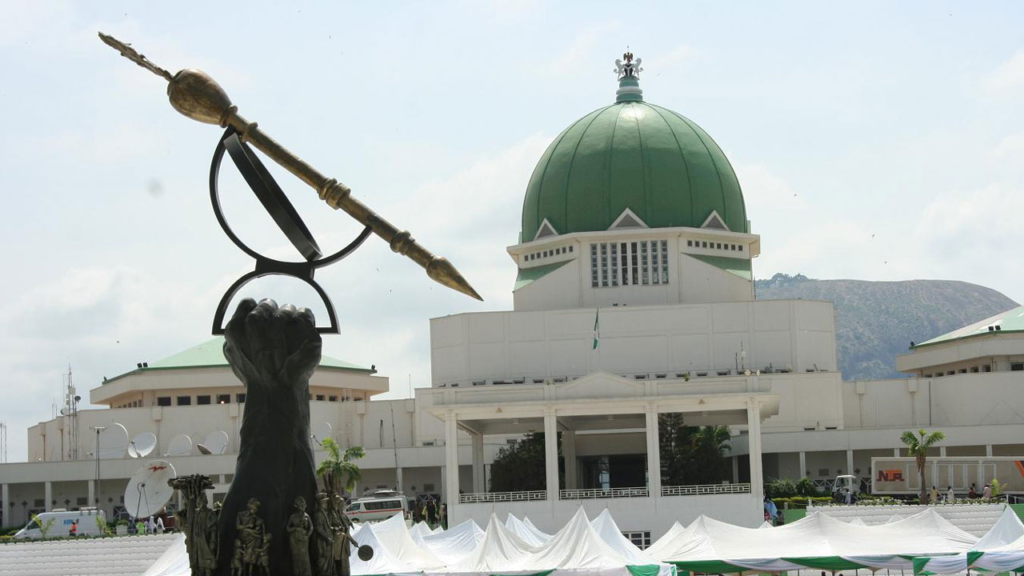
The Nigerian Senate has officially responded to the intense debate surrounding the Federal Road Safety Corps (FRSC) Amendment Bill 2026. Reports recently circulated that lawmakers passed a bill banning preaching, hawking, and trading inside commercial vehicles, backed by a proposed ₦50,000 fine for offenders. The news triggered heavy discussions across social media, church pulpits, and bus stops nationwide.
Many commuters and religious figures believed this was a fresh law designed to curb street evangelism or penalize small traders trying to make a living. However, the Senate released an official statement clarifying that the prohibition of preaching and hawking inside commercial buses is not a new rule. According to the upper legislative chamber, this restriction has been part of Nigerian traffic laws since 2007.
At WhatsBuzzn, we break down trending national stories so you get the facts clearly without the noise. Here is everything you need to know about what the Senate actually said, why the law exists, and what the updated FRSC bill means for everyday passengers and drivers.
What the Senate Statement Said About the Preaching Ban
The clarification came directly from the Directorate of Media and Public Affairs in the Office of the Senate Leader, Senator Opeyemi Bamidele. In the statement reported widely by major outlets such as Punch Newspapers and Channels Television, the Senate noted that public concerns were based on a misunderstanding of the ongoing legislative review.
Lawmakers explained that preaching and hawking inside moving commercial transport are already illegal under existing statutes. Specifically, these actions are prohibited under Section 10(4) of the Federal Road Safety Commission (Establishment) Act, No. 22 of 2007. They are also covered under Regulation 220 of the National Road Traffic Regulations (NRTR) 2012.
Build Funnels, Email Lists & Sell Online With One Free Tool
Create funnels, send emails, and sell online using Systeme.io without paying for multiple tools.
Create Free AccountFree forever • No credit card • Beginner-friendly
In the original 2007 Act, this provision was listed as Item 36 in the Second Schedule. During the review process for the FRSC Amendment Bill 2026, the list of offences was reorganized and updated. As a result, the existing restriction was simply renumbered as Item 49.
The Senate also cleared up misconceptions about who sponsored the bill. Contrary to claims on social media, the amendment was not introduced by Senator Opeyemi Bamidele. Instead, it originated in the House of Representatives. Because Nigerian law requires both chambers of the National Assembly to agree on legislation before it becomes law, the Senate was reviewing it as a concurrence bill.
Why Did the Bill Cause So Much Confusion?
If the ban on bus preaching and hawking has existed for nearly two decades, why did it suddenly spark widespread outrage in 2026? The answer comes down to the big gap between written laws and daily enforcement in Nigeria.
Anyone who regularly travels by commercial bus—whether it is a local danfo in Lagos, a coaster bus in Enugu, or an interstate shuttle from Abuja—knows how common bus preaching is. For millions of commuters, starting a journey with a morning prayer or a short sermon from an itinerant preacher is a familiar routine. Right after the sermon, it is equally common for traders to display herbal medicines, snacks, or household items for sale.
Because FRSC officers and police officers rarely arrested anyone for preaching or selling snacks inside buses, most Nigerians naturally assumed these activities were completely legal.
When reports emerged that the Senate passed an amendment introducing a strict ₦50,000 fine for preaching, hawking, or trading inside commercial vehicles, many people assumed it was a brand-new restriction targeting religious freedom or penalizing poor citizens during tough economic times.
Public Reaction and Concerns From Religious Leaders
The news generated strong reactions from public commentators, civil rights advocates, and religious leaders. Critics argued that imposing heavy fines on bus preachers and hawkers was unnecessary, especially when citizens are facing economic challenges.
Prominent religious figures also voiced opposition. For instance, Pastor David Ibiyeomie, founder of Salvation Ministries in Port Harcourt, criticized the bill during a church service. He expressed concern that restricting Christians from sharing their faith inside public buses while other religious activities happen openly elsewhere could lead to perceived bias and unnecessary friction. He urged lawmakers to focus on pressing national issues like poverty, inflation, and security rather than bus preaching.
In response to these concerns, the Senate clarified that the bill is not an attack on religion. Lawmakers emphasized that the law does not ban street preaching, crusade gatherings, or open-air worship in public places. The law is specifically targeted at commercial transit vehicles while they are in operation, with the sole purpose of ensuring passenger safety and preventing driver distraction.
What Else Is in the FRSC Amendment Bill 2026?
While the debate over bus preaching caught the most public attention, the FRSC Amendment Bill 2026 contains a much broader update to traffic laws in Nigeria. According to reports from national outlets like The Guardian Nigeria, the revised legislation updates penalties across 52 different traffic violations to improve road safety across the country.
Here are some of the key provisions included in the updated bill:
Stiffer Penalties for Drunk Driving
Driving under the influence of alcohol or drugs poses one of the biggest hazards on Nigerian highways. Under the proposed amendment, the penalty for drunk driving rises significantly from the previous ₦5,000 fine to a ₦100,000 fine. Offenders could also face up to two years in prison, or both the fine and imprisonment.
Breathalyzer Test Refusal
To help road safety officers enforce drunk driving rules, the bill introduces clear penalties for motorists who refuse to cooperate during roadside breath checks. Drivers who refuse a breath test when asked by an FRSC official on reasonable suspicion face a ₦50,000 fine, six months in prison, or both.
Higher Fines for Running Traffic Lights and Speeding
Disobeying traffic signals, road signs, or lane markings will now attract a ₦100,000 fine. Reckless driving and exceeding speed limits also carry increased financial penalties and potential custodial sentences to discourage dangerous behavior on expressways.
Penalties for Distracting Commercial Drivers
Item 49, which covers hawking, trading, and preaching inside commercial vehicles, carries a ₦50,000 fine upon conviction. Lawmakers maintain that loud preaching or aggressive trading inside a packed bus creates noise hazards and distracts the driver, increasing the risk of road accidents.
Road Safety vs. Daily Habits: Understanding the Safety Argument
To understand why the FRSC Act includes restrictions on commercial vehicle activities, it helps to look at how transport safety works.
Commercial bus drivers in busy cities often navigate intense traffic, narrow lanes, and unpredictable road conditions. Maintaining focus requires minimal distraction inside the cabin.
When someone stands up in the aisle of a moving bus to preach or sell products, several safety risks arise:
- Driver Distraction: Loud shouting, microphones, or heated arguments over prayers and offerings can draw the driver’s attention away from the road.
- Blocked Aisle and Emergency Hazards: Hawkers moving around with goods can block the central aisle, making it difficult for passengers to exit quickly in an emergency.
- Passenger Discomfort: Commercial vehicles are meant for transportation. Passengers pay for a trip to reach their destination safely, and non-stop preaching or sales pitches can make the journey uncomfortable for those who prefer a quiet ride.
Many countries around the world enforce similar rules on public buses and trains. In many transit systems across Europe, North America, and Asia, unauthorized selling, loud performances, and public address speeches inside transit cars are prohibited to protect commuter comfort and physical safety.
How Will This Affect Bus Preachers, Hawkers, and Passengers?
The main question many Nigerians are asking is how this law will be enforced on the ground.
In reality, FRSC officers are primarily positioned along highways, major intersections, and checkpoints. They focus mainly on checking driver licenses, vehicle roadworthiness, seatbelt compliance, speeding, and dangerous driving. Because FRSC officers rarely board moving intra-city buses to inspect passenger activity, full-scale enforcement against bus preachers may remain challenging.
However, the inclusion of an explicit ₦50,000 fine gives law enforcement authorities and commercial transport operators stronger legal backing to stop unauthorized activities inside vehicles whenever necessary. Bus drivers and transport unions may also use these regulations to keep their vehicles quiet and orderly.
For preachers and traders who relied on commercial buses to reach audiences, this clarification serves as a reminder to shift toward open public spaces, community centers, or digital channels where preaching and trading are fully protected by law.
With the growth of digital media in Nigeria, content creators and evangelists are increasingly taking their messages online. If you are interested in how modern digital creators reach wide audiences using online video platforms, check out our insights on YouTube Automation to see how online content strategies work. You can also explore our section on Technology and AI to learn how digital tools are changing communication across Africa.
What Is the Next Step for the FRSC Bill?
The FRSC Amendment Bill 2026 has progressed through legislative stages in the National Assembly. Since the Senate has reviewed the bill from the House of Representatives, both legislative bodies must align on the final wording before sending the document to the President for assent.
The Senate emphasized that the legislative process remains open. Citizens, transport unions, religious organizations, and civil rights groups who have feedback on any section of the bill are encouraged to submit their views through official parliamentary channels before final passage.
To stay updated on national news, viral trends, and policy changes as they develop, follow us on our official social media channels:
Build Funnels, Email Lists & Sell Online With One Free Tool
Create funnels, send emails, and sell online using Systeme.io without paying for multiple tools.
Create Free AccountFree forever • No credit card • Beginner-friendly
- Join our community on Facebook
- Follow our visual updates on Instagram
- Get real-time updates on X (formerly Twitter)
If you have questions or want to reach out directly to our editorial team, visit our Contact Page and drop us a message.
Frequently Asked Questions (FAQs)
Is preaching in public completely banned in Nigeria?
No, preaching is not banned in public spaces in Nigeria. The Senate clarified that freedom of worship and public evangelism remain constitutionally protected. The restriction applies strictly to preaching, hawking, and trading inside moving commercial vehicles to prevent driver distraction and protect commuter safety.
What is the fine for preaching or hawking inside a commercial vehicle under the new amendment?
The FRSC Amendment Bill 2026 proposes a fine of ₦50,000 for anyone convicted of preaching, hawking, or trading inside a commercial vehicle.
When did the law banning bus preaching first come into existence in Nigeria?
The ban on preaching and hawking in commercial buses is not new. It has been part of Nigerian law since 2007 under Section 10(4) of the FRSC Establishment Act and Regulation 220 of the National Road Traffic Regulations 2012.
Did Senator Opeyemi Bamidele introduce the ban on bus preaching?
No. The Senate clarified that the amendment bill originated in the House of Representatives. It came before the Senate as a concurrence bill as required by the 1999 Nigerian Constitution.
What other penalties are included in the FRSC Amendment Bill 2026?
The bill updates penalties for 52 traffic offences. Notable changes include raising the fine for drunk driving to ₦100,000 (with possible jail time up to two years), imposing a ₦50,000 fine or jail time for refusing a breathalyzer test, and raising fines for running traffic lights and speeding to ₦100,000.
The ongoing conversation around the FRSC Amendment Bill highlights how important clear communication is when updating national laws. While public reaction was fueled by fears of a new religious restriction, the Senate’s explanation confirms that the core goal of the legislation is promoting safety on Nigerian roads. Balancing road safety enforcement with respect for public culture will remain key as the bill makes its way toward final approval.
