
Imagine walking down the street, sitting in a quiet cafe, or even using a public restroom, and suddenly getting a strange feeling that you are being watched. A few years ago, this felt like a paranoid plot from a science fiction movie. Today, it is quickly becoming our everyday reality.
Meta is pushing hard to get its smartglasses onto the faces of millions of people. By partnering with cool, high-end brands like Ray-Ban, they have managed to turn what used to be bulky, nerdy technology into a stylish fashion accessory. But behind the sleek frames, built-in cameras, and helpful voice assistants, a massive battle is brewing.
Privacy advocates, lawyers, and regular citizens are raising the alarm. They are worried that these devices are turning our public spaces into a giant, unregulated surveillance zone.
Here at whatsbuzzn.com, we love covering the coolest trends in the technology and AI category. But we also believe in looking at the real-world impact of these massive shifts. Let’s break down exactly what is happening with Meta’s smartglasses, why people are taking power drills to their expensive eyewear, and why privacy advocates are incredibly worried.
The Rise of the Always-On Camera
Why is everyone suddenly wearing these glasses? It is because Meta finally solved the biggest design problem with wearable technology: they made them look completely normal.
The $0 Secret To Launching Your Entire Online Empire
Why pay hundreds every month for separate software? Build funnels, send emails, and make sales with Systeme.io completely free.
Get Started For $0Free Forever • No Credit Card Needed • Beginner-Friendly
When Google first launched Google Glass over a decade ago, it failed spectacularly. The design was strange, futuristic in a bad way, and the person wearing them was instantly labeled a creep. Meta took a completely different path. By working closely with EssilorLuxottica, the massive company behind Ray-Ban, they built high-tech cameras and speakers directly into classic, timeless frame styles like the Wayfarer.
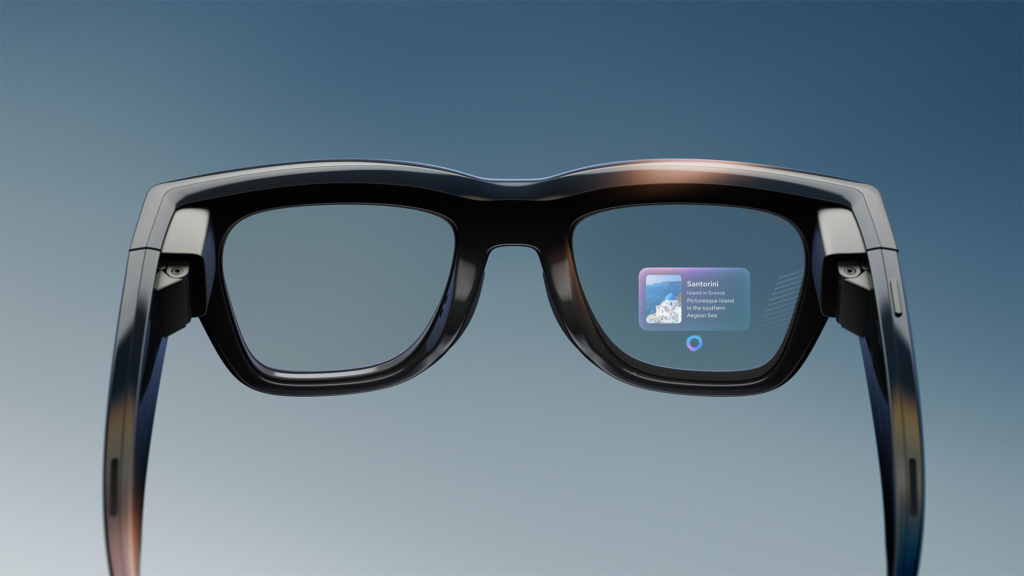
To the average bystander, you are just wearing a regular pair of sunglasses or prescription specs. But to the wearer, you have an incredible piece of technology sitting on your nose. The hardware includes:
- A high-definition camera: This lets you capture photos and videos in an instant, completely hands-free.
- Open-ear speakers and microphones: You can take phone calls, listen to music, and record spatial audio.
- An on-board AI assistant: Meta AI can translate signs in real-time, identify objects you are looking at, and answer complex questions.
This combination of style and utility is working incredibly well. Reports show that Meta has already sold over seven million pairs of these glasses. They are no longer a niche product for tech enthusiasts. They are on college campuses, in restaurants, in gyms, and on public transit.
The Battle of the Recording Light
But here is where things get incredibly messy. To reassure a worried public, Meta built a small white LED light into the top-right corner of the glasses’ frame. Whenever the camera starts recording a video or taking a photo, this “capture” light turns on to let people nearby know they are on camera.
It sounds like a simple, elegant solution. But in practice, it has created a whole new set of problems.
First of all, the light is tiny—barely two millimeters wide. In a bright outdoor setting, or if you are not looking directly at the wearer’s face, you will never notice it. Second, some users actively did not want others to know they were recording. A wild “modding” subculture quickly emerged online. People started putting dark tape, nail polish, or stickers over the light to block it.
When Meta updated its software to block the camera if it detected the light was covered, some users went to absolute extremes. They literally began taking power drills to their $300 glasses, physically drilling out the LED light to create a permanent, undetectable “stealth mode”. Several online businesses even started offering professional hardware modification packages to help users remove the LED safely.
Recently, Meta responded with a heavy hand. A mandatory software update now completely disables the camera functions if the system detects that the physical light has been tampered with, damaged, or destroyed. The company is also threatening legal action and account bans against anyone offering these hardware modifications.
The Threat of “Super-Sensing” Prototypes
While Meta is publicly fighting to protect the warning light on its current glasses, behind closed doors, they seem to have a very different plan.
According to a leaked report by the Financial Times, Meta is actively prototyping a new generation of “super-sensing” AI glasses (reportedly codenamed Aperol and Bellini). These glasses are designed to keep their cameras and microphones active throughout the entire day.
Instead of recording long videos, these upcoming glasses would:
- Take photos quietly: They would automatically snap photos every few seconds.
- Continuously listen to audio: The microphone would stay active to pick up your environment.
- Feed data to Meta AI: This constant stream of data would go directly to the AI, allowing the assistant to remember where you left your keys, what someone told you at lunch, or what you looked at earlier in the day.
The most shocking detail? Meta executives reportedly have no plans to turn on the warning LED while these always-on features are running.
Meta’s internal justification is that if a light is constantly blinking all day on your face, people will eventually ignore it anyway. But privacy experts say this is a massive step backward. If these glasses hit the market, anyone standing near a wearer could be photographed, recorded, and analyzed every few seconds without any warning or signal.
Where Is Your Data Actually Going?
For many privacy advocates, the biggest worry isn’t just the creep next to you on the subway. It is the trillion-dollar company standing behind them.
Meta’s business model has always been built on collecting massive amounts of user data and using it for targeted advertising. When you take a photo or ask the AI a question with your smartglasses, that information is sent to Meta’s cloud servers to be processed. According to Meta’s own policies, this data can be used to train its artificial intelligence models.
Send, Spend & Hold Money Worldwide Without Hidden Fees
Transfer money internationally at the real exchange rate and hold 40+ currencies in one account.
Open a Wise AccountMid-market rate • Fast transfers • 40+ currencies
This became a massive scandal recently when investigations revealed that Meta had been using offshore human contractors (including teams in Kenya) to review images and video captured by the glasses. Some of these clips included incredibly private, graphic moments, such as users having sex or going to the toilet. Because the glasses are so easy to activate accidentally, users were unknowingly uploading their most intimate moments to the cloud, and stranger contractors were being paid to watch them.
There is also a growing fear of facial recognition. Security researchers recently discovered hidden code inside Meta’s companion app that would allow the glasses to identify people in real-time. While Meta quickly deleted the code after it was discovered, the threat remains. Imagine walking past someone on the street, and their glasses instantly pull up your name, job, and social media profiles.
Smartglasses vs. Traditional Eyewear: A Quick Look
To help make sense of how different these devices are from what we are used to, let’s look at this comparison table:
| Eyewear Type | Camera & Audio | Privacy Indicator | AI Features | Primary Privacy Risk |
| Traditional Glasses | None | None | None | None |
| Current Meta Glasses | Press-to-record video and photo | White LED light (camera bricks if tampered with) | On-demand voice assistant and image lookup | Secret recording in close spaces; data sent to cloud for AI training |
| Rumored “Super-Sensing” Glasses | Continuous audio and photos every few seconds | None (intended to stay off during passive sensing) | Always-on proactive assistant | Permanent passive tracking of bystanders without any consent |
The Legal Backlash Has Begun
Governments, courts, and private businesses are not waiting around for Meta to police itself. A massive legal backlash is already underway.
In New York, the state court system recently took the historic step of banning all smartglasses from its 1,240 courtrooms. This is the toughest ban yet, designed to prevent people from secretly recording sensitive, confidential legal proceedings. Other states like Pennsylvania, Hawaii, and Wisconsin have introduced similar bans, and some major cruise lines have started banning them in public areas like pools, locker rooms, and spas.
“Smart glasses are not merely another technological innovation: they challenge our ability to reconcile the promises of these technologies with the preservation of the privacy necessary for the effective exercise of individual freedoms.” — French Data Protection Agency (CNIL)
Over in Europe, the CNIL issued a severe warning about smartglasses, pointing out that they are essentially “invisible tracking” devices that clash directly with strict European privacy laws like GDPR. Under these laws, you cannot collect someone’s personal data (which includes their face, voice, and location) without their clear, informed consent. Since it is impossible to get consent from every stranger you walk past on a busy city sidewalk, these glasses are walking legal minefields.
The Impact on Content Creators
Despite all the controversy, these glasses are incredibly popular for a reason. They are hands-free, easy to use, and allow people to capture life exactly as they see it.
For content creators, this technology is a dream come true. You can film cooking tutorials, walking tours, or behind-the-scenes clips without needing to hold a heavy camera or setup tripod equipment. This has massive implications for people working in digital media, including those interested in our YouTube automation category, where creating high-quality, engaging visual content quickly and consistently is the key to success.
But creators must walk a very fine line. Using these glasses to capture your own life and your own creative process is one thing. Recording strangers in public without their knowledge just to generate viral clicks is another. As public anger grows, creators who abuse this technology risk facing not just bans from local businesses, but potential lawsuits and public backlash.
The $0 Secret To Launching Your Entire Online Empire
Why pay hundreds every month for separate software? Build funnels, send emails, and make sales with Systeme.io completely free.
Get Started For $0Free Forever • No Credit Card Needed • Beginner-Friendly
How to Protect Your Privacy in Public
If you are worried about your privacy in a world full of smartglasses, there are a few practical steps you can take to keep yourself safe:
- Learn to spot the frames: Meta’s Ray-Ban glasses have slightly thicker temples (the arms of the glasses) to hold the battery, and they have tiny, dark camera lenses on the front corners of the frame.
- Watch for the white light: If you see a small white light glowing on the corner of someone’s glasses, they are actively recording a video or taking a photo.
- Speak up politely: If you feel uncomfortable, you have every right to ask the person to take them off or turn them off. Most reasonable people will comply immediately.
- Know your local laws: In many states and countries, recording someone in a private space where they have a reasonable expectation of privacy (like a restroom, locker room, changing room, or doctor’s office) is highly illegal.
FAQs
Can Meta smartglasses record continuously?
Currently, no. The retail models are designed to record short videos (up to three minutes) or take individual photos when you press a button or use a voice command. However, leaked internal reports suggest Meta is actively testing prototypes that can take photos every few seconds and listen to audio all day.
Do Meta smartglasses have facial recognition?
Not publicly. While security researchers found facial recognition code hidden inside the companion app, Meta has not officially released this feature to the public and reportedly deleted the code after a public outcry.
Is it legal to wear smartglasses in public?
Generally, yes. In most countries, you have no legal expectation of privacy in public spaces, meaning people can legally take photos or videos of you. However, there are exceptions for commercial use, harassment, and private spaces like restrooms. Additionally, specific locations like courtrooms, theaters, and schools are increasingly banning them.
What happens if I cover the camera light on the glasses?
On current models, if you cover the front LED light with tape or modify the glasses to disable the light, the camera system will automatically shut down and refuse to take photos or record videos.
Can the audio recording feature be turned off?
Yes, you can easily turn off the glasses entirely by sliding the physical power switch located on the inside of the left temple arm.
Conclusion
The smartglasses revolution is here, and it is not going away. Meta’s massive push to normalize wearable cameras is changing how we interact with the world and each other.
While the technology offers incredible convenience, hands-free creativity, and cool AI tools, it also forces us to ask tough questions about consent, surveillance, and what we are willing to sacrifice for convenience.
Are we heading toward a future where privacy in public is completely dead? Or will strict laws and public pushback force tech giants to respect our personal boundaries? Only time will tell.
If you want to keep up with the latest trends in technology, culture, and entertainment, make sure to visit our about page to learn more about who we are. Have a strong opinion on smartglasses? We would love to hear from you! Get in touch with us through our contact page and let us know what you think.
