
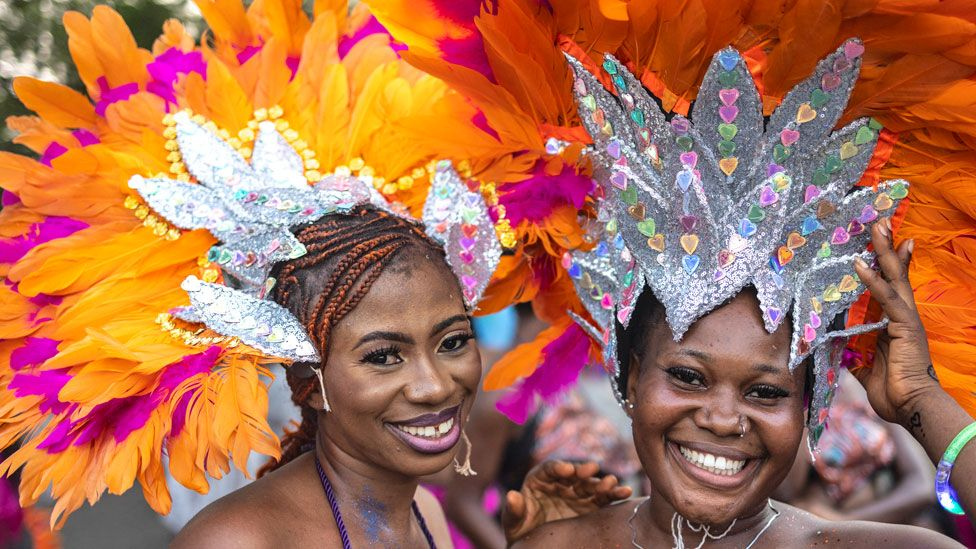
The Calabar Carnival is Africa’s biggest street party. Every December, thousands of people flood into Cross River State to see the colorful costumes, hear the music, and feel the energy.
But here is the truth most tourists never learn: watching from a paid VIP stand or following a packaged tour means you miss the real thing.
The real carnival happens in the crowded streets, at the roadside pepper soup spots, and during the small hours when the bands keep dancing long after the official parade ends.
If you want to experience Calabar Carnival the way locals do, keep reading. I have been to Calabar six times during the carnival season, and these tips come from years of trial, error, and help from friends who live there.
Why The Tourist Version Falls Short
Most first-time visitors book a hotel near the main route, buy a seat at a designated viewing center, and watch the floats go by like they are at a parade back home.
That is fine. But you will be separated from the action. You will pay more. And you will leave feeling like you watched something instead of being part of it.
Locals do not sit and watch. They walk alongside the bands. They jump in and out of the dancing crowds. They eat from roadside stalls between performances. And they know exactly where to stand so the energy hits different.
The Best Time To Arrive (And It Is Not December First)
The carnival officially runs through December, but the main parade days are December 26th to December 28th. Most tourists fly in on the 25th or 26th.
Big mistake.
By then, good accommodations are gone or overpriced. You are tired from travel. And you have no time to learn the lay of the land.
Arrive on or before December 23rd. Use those three days to settle in, meet people, and figure out where things actually happen. Locals use this time to prepare, and you should too.
Where To Stay Without Breaking The Bank
Skip the big hotels near the stadium. They hike prices during carnival week, and you end up paying triple for a room that feels basic even at normal rates.
Instead, look for guesthouses in these areas:
- Atimbo – Quiet, affordable, and close to the main carnival route
- State Housing – Safe and central, with plenty of local food spots nearby
- Big Qua – A bit farther but very cheap and connected by keke (tricycles)
Use Airbnb or ask local contacts for short-term room rentals. Many residents rent out spare rooms during carnival for a fraction of what hotels charge.
One more thing: book before October. By November, even the guesthouses fill up.
Getting Around Like A Local
Taxis exist, but they will see you coming and charge double.
Do this instead: use keke (tricycles) for short trips and okada (motorcycles) for longer distances when you are in a hurry. Negotiate the fare before you sit down. A typical keke ride within town should cost 200 to 400 naira. An okada ride might be 300 to 500 naira depending on distance.
Do not rent a car. Traffic during carnival is a nightmare, and parking does not exist. You will spend hours stuck behind a float instead of dancing next to it.
How To Watch The Parade (Skip The VIP Stands)
The main parade happens along Marian Road and through the stadium. Tourists pay for seats. Locals stand on the street or walk with the bands.
Here is what you do:
Find a spot near the Murtala Mohammed Highway junction before the parade starts. This is where bands gather and warm up. The energy is raw. You see costumes up close. And when the parade moves, you can walk right alongside your favorite band.
Do not carry a big bag. Use a small crossbody bag worn in front. Keep your phone in your hand or a deep front pocket. Crowds are thick, and pickpockets operate where tourists gather.
Wear shoes you can run, jump, and dance in. Flip-flops will ruin your night.
What To Eat And Drink
The tourist spots will sell you bottled water and packaged snacks for triple the price. Walk two blocks away from the main parade route, and you will find what locals actually eat.
Look for:
- Roasted plantain with groundnut and fish – Sold by women with small coal pots. Costs about 1000 to 1500 naira.
- Pepper soup – Usually bushmeat or goat. Spicy, warm, and perfect for late nights. Around 2000 naira per bowl.
- Fresh palm wine – Tapped that morning. Sweet and lightly fizzy. A local will help you find the right seller.
- Abacha – African salad made with shredded cassava. Cheap, filling, and everywhere.
Drink only bottled water or sachet water from sellers you see locals buying from. Avoid ice unless you know it came from a sealed bag.
Joining A Band Or A Crew
This is the biggest difference between tourists and locals.
For the main parade on December 26th and 27th, people dance in organized bands. Each band has a theme, a costume, and a route. The most popular bands in Calabar are Bayside, Passion 4, Seagull, and Masta Blasta.
Tourists think you need to register months in advance. That is not entirely true.
Yes, serious band members register early (August to October) to get the best costumes. But bands always have last-minute slots. Visit the band registration desk at the carnival village near the stadium when you arrive. Ask if they have any spots left. Expect to pay between 30,000 and 80,000 naira depending on the band and how close you are to parade day.
If that feels too expensive, do not worry. You can still walk alongside any band without registering. No one will stop you. You just will not be wearing the official costume.
The Real Carnival Happens At Night
The official parade ends by evening. That is when the tourist crowd goes back to their hotels.
Locals go to the street jams.
After dark, different neighborhoods throw block parties. Some are organized. Some just happen because someone brought speakers. Ask any local where the “night jam” is happening. They will point you.
Two spots worth knowing:
- The carnival village – Has planned after-parties with DJs and live acts. Expect to pay a small cover (2000 to 5000 naira).
- The streets around Watt Market – Unplanned, raw, and free. But go with a local friend if possible. It can get rowdy.
Do not pay for overhyped club events that charge 10,000 naira at the door. Those are for tourists.
Safety And Scams To Watch For
Calabar is one of the safer cities in Nigeria, but carnival brings out opportunists.
Common scams:
- Someone offers to take you to a “special viewing spot” for a fee. Decline. All good spots are free.
- A person says they work for the carnival and can get you a band costume cheap. They take your money and disappear.
- A taxi driver says your hotel is closed or far away and offers an expensive alternative. Confirm with your hotel before believing anyone.
Smart habits:
- Carry only the cash you need for the day. Leave extra money and cards at your accommodation.
- Take a photo of your passport and keep the physical document locked up.
- Share your live location with someone back home.
- Stay in groups at night. Do not wander down dark side streets alone.
Women traveling solo should connect with other travelers or locals before going out at night. There are Facebook groups and WhatsApp chats for carnival solo travelers. Join one before you arrive.
What a Local Actually Spends
Here is a rough daily budget for experiencing the carnival like someone who lives there:
- Accommodation – 10,000 to 25,000 naira per night (guesthouse or shared rental)
- Food – 5,000 to 8,000 naira for three meals plus snacks and palm wine
- Transport – 2,000 to 4,000 naira for keke and okada trips all day
- Band registration – 30,000 to 80,000 naira one-time (optional)
- Night jams – 0 to 5,000 naira depending on the venue
Compare that to a tourist package that charges 200,000 naira for a hotel stay, scheduled meals, and a seat at the parade. You save money and get a better experience.
FAQ
Do I need a visa to attend the Calabar Carnival?
Yes if you are not a Nigerian citizen. Apply for a tourist visa at the Nigerian embassy in your country at least two months before December.
Is it safe for a foreigner to go alone?
Yes, but take normal precautions. Stay in well-lit areas, avoid flashing expensive items, and make local friends early. The people of Calabar are famously welcoming.
What should I pack?
Light clothes that breathe. A small backpack or crossbody bag. Sunscreen. A power bank. Hand sanitizer. Wet wipes. Comfortable walking shoes. A hat.
How do I get from Calabar Airport to town?
Do not take the first taxi you see. Walk outside the airport gate. You will find cheaper keke and taxis. Expect to pay 5000 to 7000 naira for a taxi to the city center. A keke will cost half that if you do not have much luggage.
Can I wear my own costume?
Yes. Many locals make their own outfits. Just do not copy an official band’s costume exactly. That is considered rude.
What about yellow fever and malaria?
Yellow fever vaccination is required for entry into Nigeria. Carry your yellow card. Malaria is common, so bring mosquito repellent and sleep under a net or with the AC on.
Final Thoughts
The Calabar Carnival is not something you watch. It is something you step into.
The difference between a tourist experience and a local one comes down to three things: where you sleep, who you walk with, and how willing you are to leave the planned areas and find the real party.
Arrive early. Stay in a guesthouse. Eat from the roadside. Dance next to the band instead of in front of it. And when someone invites you to a night jam in their neighborhood, say yes.
What is one thing about the Calabar Carnival you have always wanted to try but were not sure how to do? Drop your question below, and I will answer from my own experience.
