

If you have ever tried to receive payment from a client abroad, pay for a SaaS tool in dollars, or simply move money across borders without losing half of it to fees or failed transactions, you already know the struggle.
The truth is, not all Nigerian banks are built the same when it comes to international business. Some make it smooth. Others will leave you refreshing your app for three days wondering where your money went.
I have personally tested most of the major banks over the years—for receiving freelance payments, paying for ads in foreign currency, and running eCommerce operations that require cross-border transactions.
In this guide, I will share exactly what I have learned so you can make the right choice without the trial and error I went through.
What Makes a Bank Good for International Transactions?
Before I get into the list, let me explain what actually matters when choosing a bank for international transactions. This is not just about which bank has the prettiest app.
The key things I look at are:
Foreign currency account options. Can you hold, receive, and send dollars, pounds, or euros without converting to naira first?
Transaction success rate. When a client sends money from the US or UK, does it land smoothly or get stuck for weeks?
Exchange rates. Some banks quietly add a huge margin to the official rate. That eats into your earnings.
Fees and charges. Wire transfer fees, maintenance fees on domiciliary accounts, and hidden charges all add up.
Customer support. When something goes wrong with an international transfer, you need someone who can actually fix it. Not a chatbot that repeats the same script.
I have had experience with all of these factors firsthand. So let me walk you through the banks that actually deliver.
1. GTBank (Guaranty Trust Bank)
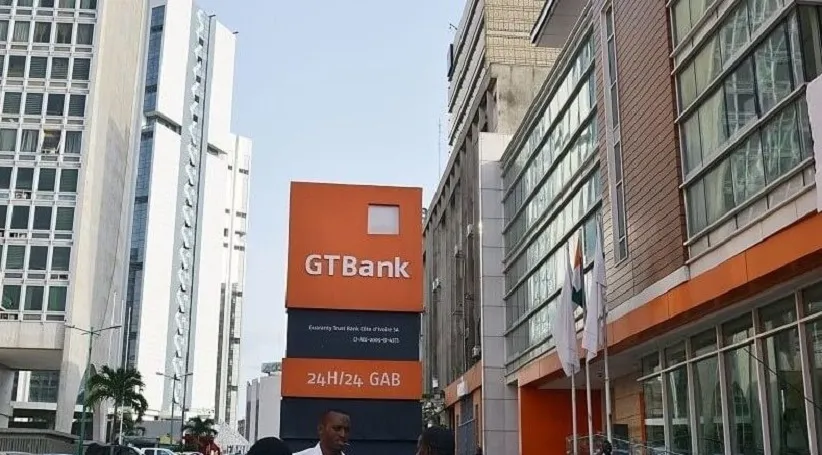
GTBank is the first name that comes to mind for most freelancers and online business owners in Nigeria. And honestly, there is a reason for that.
I have used GTBank for years, and their domiciliary account remains one of the most reliable options for receiving international payments. If you are a freelancer on platforms like Upwork or Fiverr, or you get direct wire transfers from clients, GTBank handles it well.
What works well:
Their domiciliary account allows you to receive and hold foreign currency. You do not have to convert to naira immediately. That is a big deal if you want to save in dollars or wait for a better exchange rate.
Their internet banking platform is solid. You can check your domiciliary account balance, view transaction history, and even transfer funds internally without visiting a branch.
I have also found that their transaction success rate for incoming international wires is high. Most wires hit the account within 24 to 48 hours.
Where it falls short:
You cannot send foreign currency from your GTBank domiciliary account directly to another Nigerian domiciliary account online. You have to visit a branch to do that. That can be frustrating if you need to move money quickly.
Also, their customer support has become slower over the years. If you run into an issue with an international transfer, getting it resolved can take time.
Best for: Freelancers, remote workers, and anyone who receives regular international wire transfers and wants a reliable domiciliary account.
2. Zenith Bank
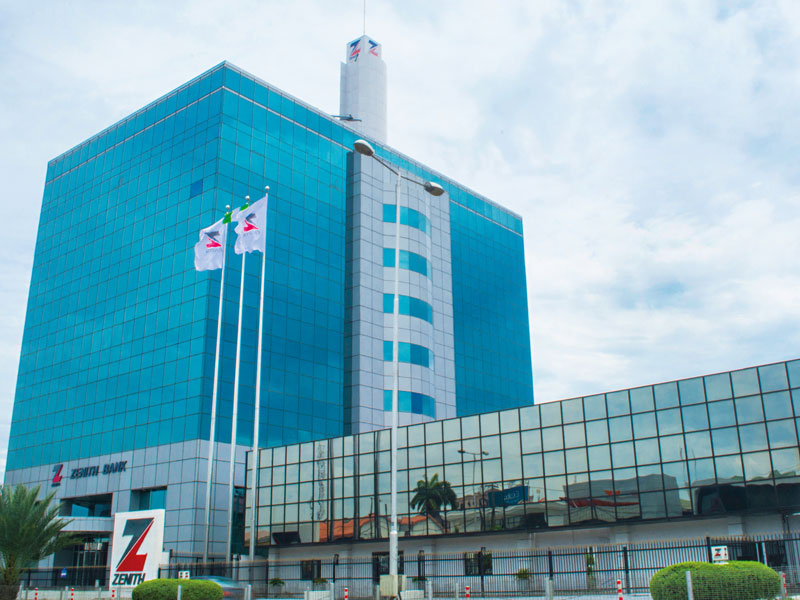
Zenith Bank is another strong contender. I have recommended Zenith to several clients who run eCommerce businesses that require frequent international payments.
What works well:
Zenith offers a very functional domiciliary account. What sets them apart is that you can transfer foreign currency from your Zenith domiciliary account to another domiciliary account within Nigeria online. You do not need to go to the branch for that. That is a major convenience.
Their mobile app is one of the best in the banking industry. It gives you good control over both your naira and domiciliary accounts.
For receiving international wires, Zenith is reliable. I have seen payments from US clients land in Zenith domiciliary accounts smoothly.
Where it falls short:
Zenith can be strict with account opening requirements. You may need to provide proof of income or source of funds, especially for domiciliary accounts. That is not necessarily a bad thing, but it can make the process slower.
Their fees for international transfers can be on the higher side compared to some competitors.
Best for: eCommerce business owners and anyone who needs to move foreign currency between Nigerian accounts frequently.
3. Stanbic IBTC

Stanbic IBTC is the bank I recommend to clients who want a more global banking experience. Since Stanbic is part of the Standard Bank Group with a strong presence in Africa and connections internationally, they handle cross-border transactions well.
What works well:
Stanbic’s domiciliary account is excellent. They offer both USD and GBP accounts, which is useful if you have clients in the UK.
Their online platform allows you to manage foreign currency accounts easily. You can send and receive international wires with fewer hiccups.
I have also found their customer support to be more responsive than some of the other commercial banks. When you are dealing with international transactions, having support that actually picks up the phone matters.
Where it falls short:
Stanbic has fewer branches compared to GTBank and Zenith. If you prefer banking with a physical branch nearby, that might be a limitation.
Their account maintenance fees can also be slightly higher.
Best for: Freelancers and business owners who value reliable support and need to hold multiple foreign currencies.
4. Access Bank
Access Bank has grown significantly, and their offerings for international transactions have improved. I have worked with several clients who use Access Bank for receiving payments from overseas clients.
What works well:
Access Bank offers a solid domiciliary account with competitive exchange rates when you need to convert to naira.
They have a wide branch network, which makes account opening and in-branch transactions easier if you prefer that.
Their DiamondXtra account (now integrated) also offers some benefits for frequent transactors.
Where it falls short:
I have seen more variability with Access Bank when it comes to international wire transfer speeds. Sometimes it is fast, other times there are delays.
Their mobile app, while functional, can be less intuitive than GTBank or Zenith for managing domiciliary accounts.
Best for: People who want a mainstream bank with wide branch access and decent international transaction capabilities.
5. Alternative: Non-Bank Options You Should Know
This might surprise you, but I actually advise many of my clients to combine a traditional bank with a non-bank option for international transactions.
Over the years, I have learned that using just one bank is risky. If your bank has system issues or your domiciliary account gets flagged for any reason, your money gets stuck.
Here are alternatives I personally use and recommend:
Wise (formerly TransferWise): This is not a Nigerian bank, but it is one of the best tools for receiving international payments. You can get USD, GBP, and EUR account details to receive payments from clients abroad, then transfer to your Nigerian domiciliary account when the rate is right. I use this personally for my freelance income.
Payoneer: Many freelancers and affiliate marketers use Payoneer to receive payments from international platforms. You get a receiving account in multiple currencies, and you can withdraw to your Nigerian bank account or Payoneer card.
Chipper Cash: For faster transfers between Nigeria and other African countries or the US, Chipper Cash has become popular. It is not a replacement for a full bank account, but it is useful for smaller transactions.
My approach is simple: I receive international payments through Wise or Payoneer, then transfer to my GTBank or Stanbic domiciliary account. That gives me flexibility and reduces the risk of funds getting stuck.
Common Challenges and How to Handle Them
I want to be honest with you about the challenges you might face. I have experienced most of these myself.
Delayed international wires: Sometimes a wire transfer that should take 2 to 3 days takes 2 weeks. This happens across all banks. The best way to handle it is to follow up with both your bank and the sender’s bank. Having a relationship with a branch manager can help speed things up.
Unclear fees: Banks do not always clearly state their charges for international transactions. My advice is to ask specifically for the fee schedule for domiciliary accounts, wire transfers, and conversion rates before committing.
Mobile app limitations: Most Nigerian banks still require you to visit a branch for certain foreign currency transactions. I always tell my clients to confirm what they can and cannot do online before opening an account.
My Personal Recommendation
If you are just starting out with international transactions, here is what I suggest:
Open a GTBank or Zenith domiciliary account as your primary bank. Both are reliable, widely accepted, and give you the basic tools you need.
Then, set up a Wise or Payoneer account to receive international payments. This combination gives you the best of both worlds: the local reliability of a Nigerian bank and the global flexibility of an international payment platform.
If you plan to move significant amounts of foreign currency regularly, consider Stanbic IBTC for their superior support and multi-currency options.
Frequently Asked Questions
Do I need a domiciliary account to receive international payments?
Technically, you can receive international wires into a naira account, but the bank will automatically convert the funds at their rate. If you want to hold foreign currency, you need a domiciliary account.
Which bank has the best exchange rate for converting dollars to naira?
Rates vary daily. GTBank, Zenith, and Stanbic generally offer competitive rates, but I always compare rates before converting. Sometimes I use non-bank platforms like Bamboo or Trove to get better rates for larger amounts.
Can I receive PayPal withdrawals into my Nigerian bank account?
Yes, but PayPal withdrawals to Nigerian banks can be inconsistent. I recommend using Payoneer or Wise to receive PayPal funds instead of withdrawing directly.
How long does it take to receive an international wire transfer?
Typically 2 to 5 business days. Delays can happen if there are intermediary banks involved or if there is any compliance review.
Final Thoughts
Choosing the right bank for international transactions is not just about convenience. It is about protecting your income and making sure you actually receive what your clients pay you.
I have been in situations where a payment got stuck for weeks because of a bank issue, and I know how stressful that can be. That is why I always tell freelancers and business owners to have at least two options—a reliable Nigerian bank and an international payment platform.
The banks I shared here—GTBank, Zenith, Stanbic, and Access—are the ones I trust based on years of actual use. But your experience may vary depending on your location, the branches you use, and the specific services you need.
Take your time to open the right accounts now, before you need them. It is much easier to set things up when there is no urgent payment waiting.
Now I want to hear from you: Which bank have you been using for international transactions, and what has your experience been like? Drop a comment below. I read them, and your experience might help someone else make a better decision.
