
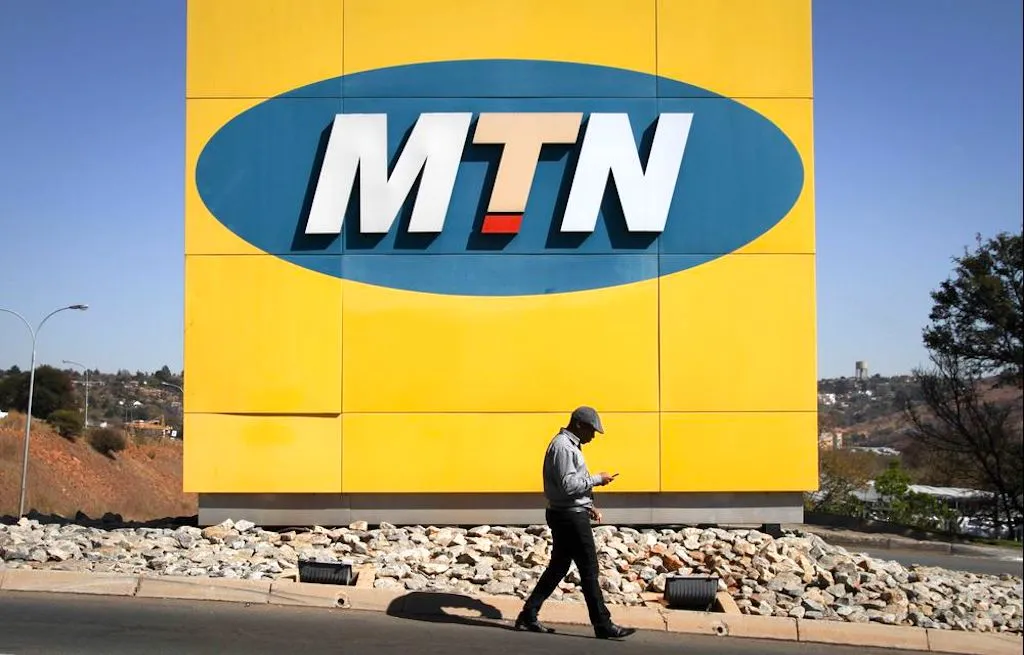
Nigeria’s telecommunications industry has reached a major milestone, highlighting the rapid growth of the country’s digital economy. According to the latest official figures released by the Nigerian Communications Commission (NCC), active mobile phone subscriptions across all networks jumped to 195,108,814. This brings the national teledensity—the percentage of connected telephone lines for every hundred inhabitants—to an impressive 90 percent.
The biggest headline from the new data is MTN Nigeria’s historic achievement. MTN officially recorded 100,859,587 active lines on its network. This makes MTN the first telecommunications company in Nigeria to cross the 100 million subscriber mark since Global System for Mobile Communications (GSM) services were officially introduced in 2001.
This surge represents a noticeable gain in just a single month. Active subscriptions stood at 192,232,120, showing that network providers added nearly three million new connections in thirty days. This steady increase reflects how essential mobile connectivity has become for daily communication, business, banking, and entertainment across Nigeria.
The Journey to 100 Million: How MTN Dominated the Market
When GSM technology launched in Nigeria back in August 2001, mobile phones were considered a luxury item reserved for a wealthy few. Making a simple phone call required expensive SIM cards and high per-minute billing rates. Fast forward to today, and mobile connectivity is an everyday necessity for millions of citizens, small business owners, and corporate enterprises.
MTN’s rise to 100 million subscribers did not happen overnight. It is the result of decades of aggressive infrastructure investments, widespread network rollout into rural communities, and constant technological upgrades. From basic 2G voice connections, the network expanded into 3G, 4G LTE, and eventually pioneered 5G coverage across major Nigerian commercial hubs.
Build Funnels, Email Lists & Sell Online With One Free Tool
Create funnels, send emails, and sell online using Systeme.io without paying for multiple tools.
Create Free AccountFree forever • No credit card • Beginner-friendly
Financial and strategic moves have played a major role in sustaining this growth. MTN has continued to invest heavily in physical infrastructure, including towering base stations and fiber optic cables. The operator’s long-term strategy can be seen in recent structural deals, such as how MTN nears full control of IHS Towers in a massive deal, which secures the critical power and mast equipment required to keep millions of users online without interruption.
Financial performance has naturally mirrored this expansion. Despite inflationary pressures and operational costs, strong demand for data and voice services helped drive massive revenue figures. For instance, reports showing MTN Nigeria posting a massive profit surge and payouts for shareholders demonstrate how subscriber scale directly translates into financial strength.
Market Share Breakdown: Who Controls Nigeria’s Mobile Landscape?
While MTN holds the single largest market share, other operators continue to serve millions of active users across the country. The latest report from the regulator provides a clear breakdown of where each network stands today.
MTN Nigeria
With 100,859,587 active lines, MTN now commands a 51.76 percent market share. This means more than half of all active mobile connections in Nigeria belong to the yellow network. MTN’s dominant position gives it a massive advantage in coverage, brand trust, and enterprise partnerships.
Airtel Nigeria
Airtel maintains its position as the second-largest telecommunications network in the country. The provider recorded 66,760,297 subscribers, giving it a solid 34.26 percent market share. Airtel has consistently focused on affordable data packages and expanding 4G/5G services to challenge MTN in urban and suburban markets.
Globacom (Glo)
Globacom, Nigeria’s indigenous network provider, holds the third spot with 23,628,966 subscribers, representing a 12.13 percent market share. Glo continues to attract price-sensitive customers with generous data bonuses and extensive submarine fiber cable infrastructure.
T2 (Formerly 9mobile)
T2, operating on the legacy 9mobile network, captured 3,613,811 subscribers, which equals a 1.85 percent market share. The operator is actively working through restructuring plans to regain market competitiveness and attract younger digital users.
The competitive landscape shows that while the top two players hold over 85 percent of all connections, competition remains active as operators fight to win over heavy data users.
Why Are Telecom Subscriptions Rising So Quickly?
Several key factors explain why millions of new lines are coming online each month across Nigeria. The growth is driven by regulatory reforms, changes in user habits, and the rapid expansion of digital commerce.
Stable Regulatory Environment
The Association of Licensed Telecoms Operators of Nigeria (ALTON) pointed out that subscriber growth is heavily linked to clear and predictable regulatory policies. Stable guidelines from the telecom regulator give operating companies the confidence to commit billions of Naira toward network expansion and maintenance.
Restoration Following SIM Audit Cleanses
Over the past few years, strict enforcement of the National Identification Number (NIN) to SIM card linkage resulted in millions of unlinked lines being temporarily disconnected. Now that millions of subscribers have successfully validated their identity documents, many deactivated lines have been re-enabled, while new lines are being registered under compliant guidelines.
Growing Demand for High-Speed Mobile Data
Voice calls were once the primary source of revenue for telecom companies. Today, data is king. Nigerians are consuming more gigabytes than ever before to stream videos, trade online, manage remote jobs, and stay active on social networks.
To handle this skyrocketing demand for data, telecom giants are building extra infrastructure behind the scenes. This includes major projects like when MTN Nigeria builds massive local data infrastructure to handle cloud traffic and support local businesses locally rather than relying purely on foreign servers.
How Telecom Growth Fuels the Broader Economy
Telecommunications is no longer just an isolated industry. It is the core foundation supporting every sector of modern business in Nigeria, from banking and agriculture to education and transport.
Powering Mobile Financial Services
The massive reach of telecom networks has made mobile banking accessible to millions of unbanked and underbanked citizens. Feature phones and smartphones can now perform instant money transfers, pay utility bills, and access micro-loans without visiting a physical bank branch.
Fintech platforms rely directly on telecom infrastructure to handle millions of transactions every single day. For instance, learning how FairMoney hit 30 million users in Nigeria illustrates how mobile apps leverage strong cellular connections to deliver credit and savings directly to everyday users.
Boosting Overall Economic Growth
The telecom sector remains one of the largest non-oil contributors to Nigeria’s Gross Domestic Product (GDP). When telecom companies expand their networks, they create thousands of direct and indirect jobs for field engineers, customer care representatives, airtime distributors, and device sellers.
This expansion directly aligns with broader macroeconomic developments. According to reports on how Nigeria’s economy expands in recent quarterly tracking, the non-oil sector—led by telecommunications and financial services—continues to cushion the economy against global oil price swings.
Supporting Corporate and Capital Markets
The financial scale of telecom operations makes them major heavyweights on the Nigerian Exchange (NGX). Institutional investors and retail traders monitor telecom stocks closely because of their steady earnings and dividend records.
As listed companies grow, they help lift the total market valuation of the country’s stock market. This trend is visible when analyzing how 25 Nigerian companies join the NGX trillionaire club, where telecommunication firms lead the list of blue-chip assets.
The Shift Toward Artificial Intelligence and Future Technologies
Reaching 195 million subscribers is only the beginning. As technology evolves globally, mobile network operators are preparing for the next phase of digital transformation: artificial intelligence, cloud computing, and next-generation data hubs.
To support these advanced technologies, operators are investing in massive power and cloud projects. A clear example is MTN’s plan to secure banking licenses and build 150MW AI data centres. These investments ensure that future AI applications, automated customer care bots, and high-speed enterprise tools will run smoothly inside the country.
For individuals interested in learning how digital systems work, exploring the dedicated Technology and AI category provides deeper insights into software trends, mobile phone launches, and smart device reviews.
Similarly, content creation and online business models have expanded rapidly because of cheaper, faster internet. Creators are building full-time careers on video platforms. Those looking to scale online channels can look into resources covering the YouTube Automation section to learn how digital systems help automate video production and monetization.
Challenges Facing Telecom Operators and Subscribers
Despite the impressive numbers, the telecommunications sector faces significant operational obstacles that affect daily service quality for consumers.
Network Quality and Call Drops
With 195 million active lines competing for band capacity, signal congestion remains a frequent complaint among subscribers. Peak hours often see dropped calls, slow internet browsing speeds, and delayed text messages. Telecom companies must continuously upgrade base stations and optimize frequencies to handle the congestion.
Rising Operational and Energy Costs
Base stations require uninterrupted power to keep mobile networks active 24 hours a day, 7 days a week. Due to electricity grid instability, operators rely heavily on diesel generators and solar power backups across tens of thousands of tower sites. Rising fuel prices and foreign exchange fluctuations significantly increase the cost of importing specialized network hardware.
Build Funnels, Email Lists & Sell Online With One Free Tool
Create funnels, send emails, and sell online using Systeme.io without paying for multiple tools.
Create Free AccountFree forever • No credit card • Beginner-friendly
Vandalism and Fiber Cuts
Accidental cable cuts caused by road construction projects, along with intentional equipment theft, frequently disrupt network connectivity in major cities. Operators spend millions of Naira repairing severed underground fiber optic cables every year to restore lost service to affected communities.
What Does This Milestone Mean for the Everyday Mobile User?
For the average citizen holding a smartphone or feature phone, reaching 195 million subscribers comes with several practical benefits and expectations.
First, heavy competition among operators helps keep prices reasonable. With MTN holding over 50 percent of the market, competing networks like Airtel and Glo are constantly rolling out budget-friendly data bundles and promotional packages to attract new users or retain existing ones.
Second, consumers can expect better coverage in non-urban regions. As cities become saturated, network providers are actively expanding into suburban and rural towns to find new subscribers. This means better connectivity when traveling across state borders.
Third, the government and financial institutions are expanding digital services. Registering a small enterprise is now seamless through online portals, as seen with developments like the CAC opening a new Lagos office for streamlined business services. High mobile penetration ensures business owners can manage registrations and taxes right from their mobile phones.
Frequently Asked Questions (FAQs)
What is the total number of active telecom subscribers in Nigeria?
According to the latest Nigerian Communications Commission (NCC) report, active mobile phone subscriptions in Nigeria reached 195,108,814, pushing the national teledensity rate to 90 percent.
Which network operator has the most subscribers in Nigeria?
MTN Nigeria leads the market with 100,859,587 active subscribers, making it the first operator in Nigeria to cross the 100 million line milestone. It holds a 51.76 percent market share.
What is the market share distribution among Nigerian telecom providers?
MTN holds 51.76 percent, Airtel holds 34.26 percent (66.76 million lines), Globacom holds 12.13 percent (23.62 million lines), and T2 (formerly 9mobile) holds 1.85 percent (3.61 million lines).
Why did mobile subscriber numbers increase so rapidly in one month?
Subscriber growth was driven by stable regulatory guidelines from the NCC, re-activation of lines following completed NIN-SIM linkings, rising demand for high-speed mobile data, and ongoing network expansion into underserved regions.
How does telecom expansion impact the broader Nigerian economy?
Telecom growth drives digital payments, e-commerce, remote jobs, and fintech platforms. It is also one of the largest non-oil contributors to Nigeria’s Gross Domestic Product (GDP).
The crossing of the 100 million subscriber mark by MTN and the total reach of 195 million active lines mark a historical turning point for Nigeria’s digital space. As 5G adoption increases, fiber networks expand, and cloud data infrastructure develops locally, mobile technology will continue to transform how businesses operate and how people stay connected nationwide.
To learn more about our publication team, feel free to visit our official About Us page or reach out directly through our Contact Us page. You can also stay updated with live news, trending stories, and tech updates by joining our social media communities on Instagram, Facebook, and X (formerly Twitter).
