
President Bola Ahmed Tinubu has left the country for a three-week working vacation in Europe, with his first stop in London. The announcement from the Presidency confirmed that the trip is part of the President’s annual leave, designed to give him time to rest and refuel before returning to his official duties and political activities. However, the timing of this departure has triggered an intense political debate across the nation.
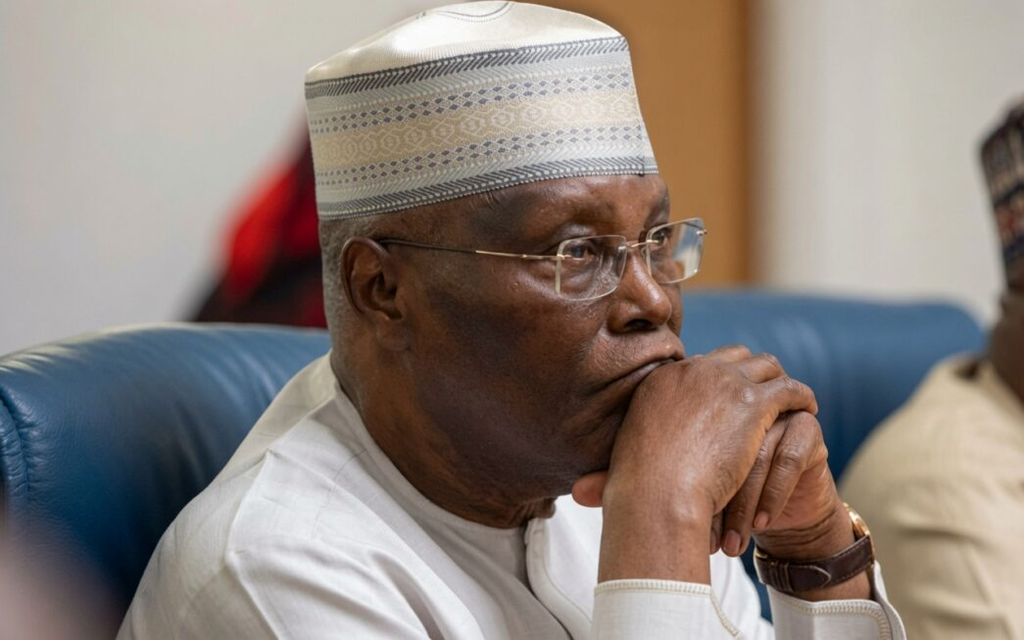
Former Vice President Atiku Abubakar launched a sharp critique of the President’s decision. In a detailed public statement, Atiku argued that taking a three-week break during a time of extreme economic strain and widespread security challenges demonstrates a troubling disconnect between the country’s leadership and the daily realities of ordinary citizens.
The main issue in this political standoff is not simply whether a president has the right to take a break. Instead, it centers on the timing, the state of the nation, and what leadership requires when millions of families are struggling to afford basic necessities like food, transport, and cooking fuel.
What Atiku Said: The Fire Analogy and “Boarding Pass” Criticism
Atiku Abubakar did not hold back in his response to the news of the President’s departure. He used vivid imagery to explain why he believes traveling out of the country right now is the wrong move for a sitting head of state.
According to Atiku, true leadership is about knowing when your country needs you on the ground. He explained that while a private citizen can travel whenever they like, a President carries a unique burden of responsibility that cannot be set aside when conditions are rough.
The $0 Secret To Launching Your Entire Online Empire
Why pay hundreds every month for separate software? Build funnels, send emails, and make sales with Systeme.io completely free.
Get Started For $0Free Forever • No Credit Card Needed • Beginner-Friendly
“A father may travel when all is well,” Atiku stated. “But when his roof is burning and his family is trapped inside, he does not pick up his suitcase and head for the airport.”
He went on to clarify that his criticism was not about denying the President time to rest in principle. “It is not that a President must never rest or travel,” he said. “It is that Nigeria is burning, and the President has chosen a boarding pass over the fire extinguisher.”
Atiku also highlighted the sharp contrast between the movement of government officials and the financial paralysis felt by everyday people. He noted that millions of citizens are grounded by economic hardship while their leader is airborne. High transportation costs have made even local travel difficult for ordinary workers, creating a situation where the public feels stuck while top officials continue to travel internationally.
He concluded his critique with a bold political promise aimed at the upcoming presidential contest, stating plainly: “Tinubu made Nigeria expensive. I will make Nigeria affordable again.”
The Reality on the Ground: Why Citizens Are Feeling the Heat
To understand why Atiku’s statement resonated so strongly with many Nigerians, it helps to look at the day-to-day conditions across the country right now. The frustration felt by the public is rooted in real economic pressure that affects almost every household.
Soaring Petrol Prices and High Transport Costs
Fuel prices have remained a major source of concern for households and small businesses. Since the removal of the fuel subsidy, the price of petrol has climbed dramatically. This price hike immediately affected public transport fares across major cities and rural routes alike.
For many workers, daily transport fares now eat up a massive portion of their monthly earnings. Interstate travel, which used to be routine for family visits or business trips, has become a luxury that many simply can no longer afford. When fuel prices jump, everything else follows, creating a chain reaction through the entire economy.
Food Inflation and Meal Rationing
Food inflation continues to put severe pressure on family budgets. Basic staples such as rice, beans, garri, bread, and cooking oil have seen prices rise week after week. Market traders point to high transportation costs and supply chain issues as the main drivers behind these price increases.
In many communities, families have been forced to adjust how they eat. Rationing meals and skipping non-essential grocery items have become necessary survival strategies for low-income households. Small business owners who sell cooked food or operate neighborhood shops report lower sales because customers simply do not have extra cash to spend.
Insecurity Concerns Across Regions
Beyond economic troubles, security challenges remain a heavy burden for many communities. Farmers in several agricultural regions express fear over going to their fields due to threats from armed groups, which directly impacts local food production. Kidnappings and highway robberies continue to make road travel stressful for travelers.
These combined factors explain why news of a three-week European vacation caused such a quick public reaction. For citizens facing these challenges daily, seeing their top leader leave the country creates a feeling of abandonment.
The Leadership Debate: Two Top Leaders Away at the Same Time
Another major point raised in Atiku’s statement was the simultaneous absence of both top leaders of the executive branch. While President Tinubu departed for his three-week European trip, Vice President Kashim Shettima was also away on official duty abroad.
Atiku pointed out that having both the President and the Vice President outside the country at the same moment sends the wrong signal to the public. He argued that even if government functions continue through ministers and civil servants, governance requires strong, visible political presence at the very top.
Is There a Constitutional Problem?
From a legal standpoint, a President taking a vacation does not mean the government stops working. The Nigerian Constitution sets out clear rules for authority and delegation during presidential travel. Cabinet ministers remain in charge of their respective ministries, the security chiefs continue their operations, and administrative functions move forward as usual.
Atiku himself acknowledged this distinction. He noted that while there might not be a constitutional vacuum, there is a clear “vacuum of political leadership.” In his view, leadership during a crisis is about showing presence, taking direct responsibility, and staying close to the people who are suffering.
Send, Spend & Hold Money Worldwide Without Hidden Fees
Transfer money internationally at the real exchange rate and hold 40+ currencies in one account.
Open a Wise AccountMid-market rate • Fast transfers • 40+ currencies
How the Presidency Responded to the Criticism
The Presidency quickly responded to defend President Tinubu’s vacation, explaining why the trip was necessary and planned in advance.
Government spokespersons, including Special Adviser on Information and Strategy Bayo Onanuga and Special Adviser on Media and Public Communication Sunday Dare, clarified that the trip is part of the President’s annual leave. They stressed that the President works under intense pressure throughout the year and needs time to recharge.
Key Arguments from the Government Side:
- Planned Working Vacation: The trip was structured as a working leave, meaning the President remains in communication with key government officials and monitors national affairs while away.
- Health and Performance: Representatives noted that taking a brief period to “refuel” allows the President to return in better shape to handle demanding national tasks.
- Long-Term Policy Focus: The administration maintains that its economic reforms—such as ending the fuel subsidy and unifying foreign exchange rates—are necessary long-term steps to fix structural problems that existed for decades.
- Support Initiatives: The government points to ongoing programs like compressed natural gas (CNG) bus conversions, student loans, and direct cash transfers as proof that help is being delivered to citizens.
Supporters of the administration argue that critics are using a routine vacation for political leverage ahead of future elections. They contend that any national leader deserves annual leave and that modern technology allows a head of state to remain informed regardless of physical location.
Economic Reforms: Help vs. Hardship
The row over the vacation highlights a much bigger debate about Nigeria’s economic direction. Since taking office, President Tinubu has implemented bold economic changes. The removal of fuel subsidies and changes in exchange rate policies were praised by international financial institutions as necessary steps toward long-term growth.
However, the immediate impact on everyday people has been tough. Prices spiked quickly, while wage growth has struggled to keep pace.
Atiku Abubakar has been a vocal critic of how these reforms were executed. He recently criticized the government’s efforts to lower transport costs through CNG bus conversions, calling the output insufficient relative to the total number of vehicles on Nigerian roads. Atiku claimed that converting around 120,000 vehicles out of roughly 14 million nationwide represents less than a one percent impact, describing it as an incomplete response to a major emergency.
Instead, Atiku advocates for a production-based subsidy framework, stronger support for domestic oil refining, and direct caps on energy costs to cushion the burden on workers and small business owners.
The debate between these two economic visions is fast becoming a key battleground as political parties prepare for the next election cycle.
Media, Technology, and Public Reaction
This latest political debate played out across digital channels, news platforms, and social media networks. Within minutes of Atiku’s statement on X (formerly Twitter), the topic went viral across digital media platforms.
Modern digital channels give citizens instant access to political news and allow them to voice their opinions in real time. Content creators, political analysts, and digital journalists use these tools to break down complex political statements for millions of viewers online.
The $0 Secret To Launching Your Entire Online Empire
Why pay hundreds every month for separate software? Build funnels, send emails, and make sales with Systeme.io completely free.
Get Started For $0Free Forever • No Credit Card Needed • Beginner-Friendly
For creators interested in how viral news moves across online platforms, exploring our YouTube automation section offers useful insights into how digital media channels cover breaking headlines efficiently. Furthermore, rapid developments in AI and publishing tools are changing how fast news spreads, which you can read about in our technology and AI updates.
Online reactions were divided along distinct lines:
- Critics: Many shared Atiku’s view, expressing anger that top officials were traveling while petrol prices were causing hardship at home. They called for greater empathy and physical presence from the executive team.
- Supporters: Others defended the President, arguing that leaders need rest to perform effectively and that opposition figures are simply capitalizing on standard official leave for political gain.
- Neutral Observers: Many citizens focused less on the politics and more on practical outcomes, demanding faster relief measures, lower food prices, and better security regardless of who is in town.
How Ordinary Citizens Can Navigate Economic Hardship
While political leaders debate policy details and travel schedules, everyday citizens still have to manage their monthly budgets and care for their families. Managing personal finances during periods of high inflation requires practical adjustments.
Smart Budgeting Strategies for Tough Times
- Prioritize Essential Expenses: Focus your monthly income on non-negotiable costs first—food, rent, health needs, and basic utilities. Cut back temporarily on optional non-essential spending.
- Buy Food Items in Bulk: Joining neighborhood food buying groups or purchasing non-perishable staples directly from wholesale markets can help lower overall grocery costs.
- Explore Flexible Transportation Options: Whenever possible, organize ride shares with colleagues or plan errands together to cut down on weekly fuel consumption and transport fares.
- Build Multiple Streams of Income: Many households are turning to freelance work, small online businesses, or local services to supplement their regular paychecks.
- Stay Informed on Official Relief Programs: Keep track of official government support initiatives, such as student loan schemes, agricultural grants, and local SME support programs that offer direct assistance.
FAQs
Why did President Tinubu travel to Europe for three weeks?
The Presidency announced that President Bola Ahmed Tinubu traveled to Europe for a three-week working vacation as part of his annual leave to rest and refuel before returning to official duties.
What main point did Atiku Abubakar make regarding the President’s vacation?
Atiku argued that leaving the country while citizens face high petrol prices, food inflation, and security concerns shows a lack of leadership presence. He stated that a leader should remain at home to tackle urgent challenges rather than travel abroad.
Is there a legal problem when both the President and Vice President are abroad?
While having both leaders out of the country at the same time raises political questions about visible leadership, government administration continues through cabinet ministers, statutory officers, and security heads.
How has the Presidency responded to Atiku’s statements?
Presidency representatives defended the trip as a planned annual leave necessary for the President’s well-being. They emphasized that the President stays in touch with government activities and remains focused on long-term structural reforms.
What alternative economic measures has Atiku suggested?
Atiku has proposed a production-based subsidy model, targeted support for local oil refineries, price caps on energy costs, and expanded support programs to relieve economic pressure on households.
The debate surrounding President Tinubu’s three-week vacation highlights a clear division in national priorities. For the Presidency, taking planned leave is a normal procedure that allows a leader to recharge while government machinery continues its work. For Atiku Abubakar and many critics, taking a extended trip during a period of rising living costs and security worries sends the wrong signal to citizens struggling to make ends meet.
As the President completes his vacation in Europe, the focus will remain on how the administration addresses public concerns upon his return. Lowering the cost of living, stabilizing transport fares, and strengthening national security remain urgent issues that require steady focus.
To learn more about our publication and values, visit our about page or reach out directly through our contact page. You can also join our growing online community and share your thoughts on our social media channels on Instagram, Facebook, and X (Twitter).
