
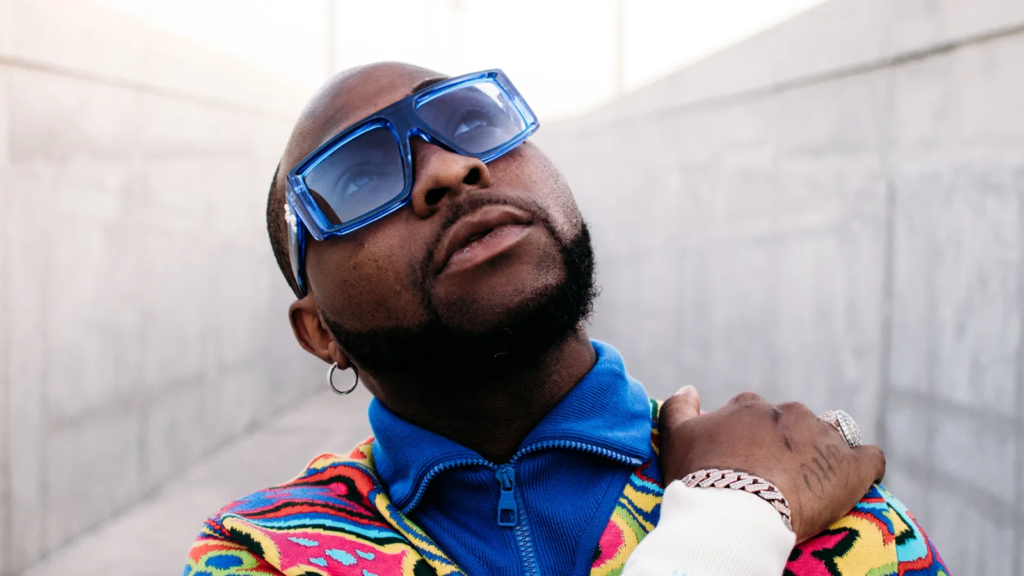
Nigerian Afrobeats star David Adeleke, popularly known as Davido, has made shocking revelations about the behind-the-scenes pressure he faced during the recent Osun State governorship election. Speaking during an exclusive interview with News Central Television, the music icon revealed that Senate President Godswill Akpabio and billionaire businessman Aliko Dangote personally called him to delete his updates on X.
The tension surrounding the Osun State election reached a boiling point as results were being collated across local government areas. Davido, who served as the Head of Youth Mobilisation for his uncle, Governor Ademola Adeleke, used his vast social media reach to post real-time updates, highlight polling unit numbers, and question delays from election officials. His posts quickly went viral, attracting millions of views and putting massive public attention on the Independent National Electoral Commission.
According to the singer, high-profile figures stepped in as his posts began shaping the online narrative. He stated that both Akpabio and Dangote reached out directly, encouraging him to take down specific tweets to calm the growing political heat. However, Davido stood his ground, refusing to remove the content because he believed doing so would compromise the transparency of his uncle’s reelection process.
Osun Governorship Election: How Davido Ended Up in the Middle of Nigeria’s Political Drama
Davido’s involvement in Osun politics is not brand new, but his role during this election season reached an all-time high. As Governor Ademola Adeleke fought to secure a second term, the music superstar took on an official campaign role as Head of Youth Mobilisation. This was not just a title on paper; Davido was actively on the ground, mobilizing young voters, holding rallies, and using his massive public platform to drive voter turnout.
The Osun governorship election has long been one of the most fiercely contested political battles in Nigeria. In previous election cycles, Osun State witnessed tight margins, rerun elections, and heavy political maneuvering. Because of this history, the atmosphere leading up to voting day was filled with intense anticipation from both the ruling party and opposition supporters.
The $0 Secret To Launching Your Entire Online Empire
Why pay hundreds every month for separate software? Build funnels, send emails, and make sales with Systeme.io completely free.
Get Started For $0Free Forever • No Credit Card Needed • Beginner-Friendly
When voting started, Davido turned his account on X into a live monitoring station. He consistently shared unit-by-unit results, uploaded video clips from collation points, and directly tagged government agencies when irregularities were suspected. This continuous flow of information kept millions of citizens informed in real time, making it much harder for quiet adjustments to happen behind closed doors.
The Secret Phone Calls: Why Akpabio and Dangote Reached Out
During the live interview, Davido detailed the exact moments when the political pressure hit its peak. As the collation process dragged on and tensions mounted across Osun State, his updates were getting reposted thousands of times every minute. That was when his phone started ringing with calls from powerful figures.
He mentioned that Senate President Godswill Akpabio and Africa’s richest man, Aliko Dangote, both reached out to him. The core message from these influential figures was simple: pull down the tweets to reduce the rising public tension. When political situations get tense, figures at the highest level often attempt to manage the narrative to prevent civil unrest or wider instability.
Davido explained his decision to reject their requests during the interview. He noted that he politely declined because the political fight directly involved his family and the mandate of the Osun electorate. In his view, removing the posts would have left the public in the dark at a critical moment when full transparency was needed to protect the votes.
Allegations of N110 Billion Cash and Vote Buying
Beyond the phone calls from leaders, Davido brought forward heavy allegations concerning money in politics. He alleged that political opponents brought over N110 billion in cash into Osun State during the election period in an effort to influence voters.
According to the artist, insider updates were coming in regularly from people stationed across various parts of the state. He described seeing reports of massive physical cash movement, calling it a direct attempt to buy the election. He warned that if such practices were allowed to succeed without resistance, it would establish a dangerous template where future Nigerian elections are decided purely by money and physical intimidation rather than the true will of the people.
At the same time, Davido praised the voters of Osun State for their resilience. He stated that his team did not spend money to buy votes on election day, choosing instead to trust that citizens would protect their own mandate. The eventual declaration of Governor Ademola Adeleke as the winner by the election commission was, according to Davido, a victory for ordinary citizens who stood by their choices despite financial temptations.
The Power of Social Media in Modern Nigerian Elections
This incident highlights how much the political landscape in West Africa has shifted over the past few years. In earlier decades, political updates were strictly controlled by traditional television networks and newspaper outlets. Today, individual citizens and public figures with large followings can broadcast events as they happen, creating an instant record that is difficult to erase.
Platforms like X, Instagram, and Facebook have turned every smartphone user into an active observer. When a prominent artist posts a photo of an official result sheet from a rural polling station, that image spreads across the country within seconds. This real-time reporting makes it significantly harder for fraudulent activities or false declarations to pass unnoticed.
The broader tech landscape plays an essential role in how information travels today. From modern content production techniques like YouTube automation to data tracking driven by technology and AI, digital platforms give ordinary people tools to keep powerful leaders accountable.
When public figures use these channels during major civic events, they bridge the gap between young citizens and traditional governance. It transforms passive observers into active participants who pay close attention to collation procedures, legal guidelines, and public spending.
What This Means for Nigerian Politics Heading Toward 2027
The events in Osun State offer valuable lessons for future elections across the nation, particularly as political parties prepare for the 2027 general elections. The intersection of celebrity influence, political strategy, and citizen journalism is redefining how campaigns operate.
Key Lessons From the Osun Election Drama
- Real-time verification matters: Uploading result sheets directly from polling units builds immediate trust and limits the chances of post-election manipulation.
- High-level pressure can backfire: Attempting to censor viral updates often draws even more public attention to the very issues politicians want to keep quiet.
- Youth participation is essential: When popular cultural figures encourage young people to vote and protect their ballots, voter turnout and civic engagement increase noticeably.
- Cash distribution faces public pushback: While vote-buying remains a challenge, growing civic awareness means voters are increasingly willing to reject monetary influence in favor of long-term development.
The controversy has generated widespread conversation across all major social networks. People continue to debate the role of celebrities in active political campaigns, with many praising Davido for refusing to back down, while political analysts weigh the broader national consequences.
You can join the conversation and share your thoughts with us on our official social media channels on X, Facebook, and Instagram. If you want to learn more about our mission to bring you real, timely stories, visit our about page or reach out directly through our contact page.
Frequently Asked Questions (FAQs)
Why did Godswill Akpabio and Aliko Dangote ask Davido to delete his tweets?
Davido stated that Senate President Godswill Akpabio and business leader Aliko Dangote called him to calm rising public political tension during the Osun election. His viral updates were generating massive attention online while election collation was still underway, causing concern among top figures.
Send, Spend & Hold Money Worldwide Without Hidden Fees
Transfer money internationally at the real exchange rate and hold 40+ currencies in one account.
Open a Wise AccountMid-market rate • Fast transfers • 40+ currencies
Did Davido agree to delete the tweets?
No, Davido refused to delete the posts. He explained that he needed to maintain transparency and protect the votes of his uncle, Governor Ademola Adeleke, and the citizens of Osun State.
What role did Davido play in the Osun governorship election?
Davido served as the Head of Youth Mobilisation for Governor Ademola Adeleke’s reelection campaign. He organized rallies, mobilized young voters, and monitored the election process in real time using his social media platforms.
What were the money allegations made by Davido regarding the Osun election?
Davido claimed during his interview that political opponents brought over N110 billion in cash into Osun State in an attempt to buy votes and influence the outcome of the election.
Who won the Osun State governorship election?
Governor Ademola Adeleke was officially declared the winner of the governorship election by the Independent National Electoral Commission.
The Bigger Picture for Nigerian Democracy
The story of Davido refusing to delete his tweets during a major state election goes beyond celebrity news. It demonstrates how access to real-time information is reshaping democracy across Africa. When prominent voices refuse to be silenced by political or financial power, it encourages ordinary citizens to stand up for fair processes in their own communities.
As technology continues to develop and social media platforms expand, secrecy in public affairs becomes harder to maintain. The events surrounding the Osun governorship poll demonstrate that when people stay alert, stay informed, and use digital tools responsibly, they hold the power to protect their votes and shape the future of their country.
