
Political activity across Nigeria reached a major milestone on August 19, 2026, as public campaigning officially begins for the 2027 general elections.
On the eve of this crucial date, major presidential candidates and leaders of registered political parties gathered in Abuja to sign the first National Peace Accord.
The event brought together key political figures, electoral officials, security leaders, civil society advocates, and international observers to commit to a peaceful, violence-free, and issue-focused campaign season.
The signing ceremony took place at the Bola Ahmed Tinubu International Conference Centre in Abuja under the coordination of the National Peace Committee. Organizers designed the agreement to set clear boundaries for political behavior ahead of what promises to be an intensely competitive national race. Candidates pledged to avoid hate speech, stop personal attacks, prevent violence among their supporters, and focus their public addresses on solving pressing national challenges.
Inside the Abuja Peace Accord Ceremony
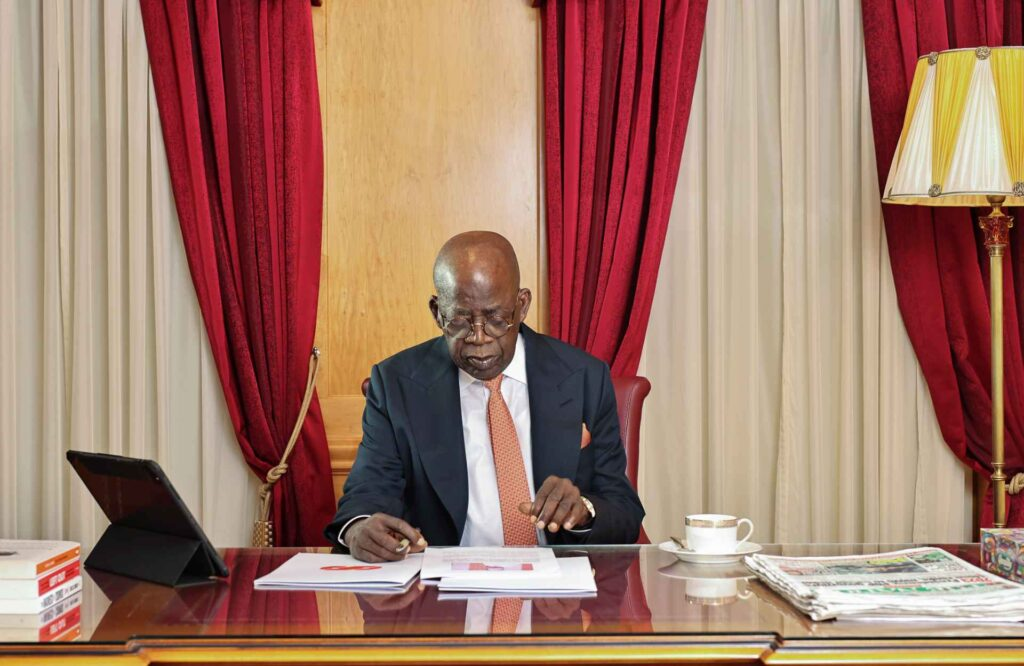
The gathering in Abuja drew top political leaders from across the political spectrum, signaling the high stakes of the upcoming election cycle. President Bola Ahmed Tinubu, running under the banner of the ruling All Progressives Congress, was represented by the Secretary to the Government of the Federation, Senator George Akume. APC National Chairman Nentawe Yilwatda also attended to sign the agreement on behalf of the ruling party.
The $0 Secret To Launching Your Entire Online Empire
Why pay hundreds every month for separate software? Build funnels, send emails, and make sales with Systeme.io completely free.
Get Started For $0Free Forever • No Credit Card Needed • Beginner-Friendly
Key opposition figures attended the ceremony in person to show their commitment to a peaceful democratic process. Peter Obi, candidate for the Nigeria Democratic Congress, joined African Action Congress candidate Omoyele Sowore and Social Democratic Party candidate Adewole Adebayo. Party chairmen, political strategists, and candidates signed the agreement in front of dignitaries, foreign diplomats, and senior security officials.
The event was organized by the National Peace Committee, chaired by former Head of State General Abdulsalami Abubakar (retd.), working alongside Executive Director Rev. Fr. Atta Barkindo and Bishop Matthew Hassan Kukah of The Kukah Centre. Chairman of the Independent National Electoral Commission, Prof. Joash Amupitan, and Inspector-General of Police Olatunji Disu were present to underscore the operational and security commitments supporting the process.
The Core Commitments in the Peace Document
The signed agreement contains explicit commitments meant to maintain public order and democratic decency throughout the campaign calendar:
- Refraining from using abusive, inflammatory, or insulting language against political opponents during public rallies, broadcast interviews, and digital campaigns.
- Rejecting all forms of political violence, voter intimidation, ballot disruptions, and deliberate destruction of opponent campaign materials or public property.
- Discouraging party supporters from spreading fake news, unverified rumors, and digitally manipulated media designed to deceive voters or create ethnic tension.
- Ensuring full cooperation with law enforcement agencies, security officers, and electoral officials assigned to protect political events across all states.
- Accepting verified election outcomes or challenging disputed results exclusively through lawful court channels established by Nigerian electoral law.
Statements and Commitments from Key Political Leaders
Addressing attendees through his official representative, President Bola Ahmed Tinubu emphasized the necessity of putting national stability above individual political ambitions. In his official statement, he highlighted recent electoral updates and expressed confidence in the national democratic system. He noted that recent off-season elections showed steady improvements in voting procedures and stressed that political campaigns must unite citizens rather than widen social divisions.
The President urged political parties to avoid using tribal, regional, or religious sentiments to score quick political points. He stated that the country needs healthy political competition based on practical solutions for economic growth, public safety, job creation, and infrastructure development.
Peter Obi emphasized the importance of accountability, civic responsibility, and genuine public service in his remarks. He reiterated his message that leadership should focus on addressing the real daily difficulties facing ordinary households across the country. Obi noted that a peace pact must be backed by genuine actions on the ground, calling on all political parties to respect the intelligence of voters and run clean, transparent campaigns.
Opposition candidates, including SDP’s Adewole Adebayo and AAC’s Omoyele Sowore, pointed out that lasting peace depends heavily on fairness and institutional justice. They urged security agencies and electoral officers to remain strictly neutral throughout the campaign period, stating that equal treatment for all political parties is the best guarantee for peaceful elections.
The History and Evolution of Nigeria’s Peace Accord
National peace accords have become a crucial tradition in Nigerian electoral politics over the past decade. The initiative was originally established in late 2014 ahead of the landmark 2015 general elections, when political tensions were running high across the country. Led by General Abdulsalami Abubakar, former Catholic Bishop of Sokoto Diocese Matthew Hassan Kukah, and prominent civil society leaders, the committee created a neutral platform where presidential contenders could publicly commit to peace.
The 2015 peace pact played a major role in calming public anxiety and ensuring a peaceful transition of power. Since then, the National Peace Committee has convened similar agreements for the 2019 and 2023 election cycles, adapting the peace framework to address new political realities and emerging challenges.
For the 2027 cycle, the Peace Committee has expanded its scope to address modern campaign methods, including digital media strategies, online harassment, and automated content dissemination. The committee’s long-standing presence provides a trusted mechanism for resolving political disputes before they escalate into wider conflict.
Why the 2027 Peace Pact Matters for Every Citizen
While peace accords are signed by political leaders in Abuja, their impact affects everyday life in communities across Nigeria. The 2027 campaign begins against a background of important economic and social conditions that make peaceful engagement vital for every citizen.
Daily life for millions of citizens is shaped by economic pressures, shifting price levels, energy costs, and job market demands. When political campaigns degenerate into violence, market closures, or public fear, economic activity suffers immediately. Small business owners, transporters, trade workers, and corporate offices rely on public order to carry out their daily activities without disruption.
Furthermore, public trust in democratic institutions depends on how candidates treat one another during electioneering. When political leaders demonstrate self-restraint and focus on concrete proposals, voters feel safer attending political rallies, asking tough questions, and turning out to vote on election day.
Electoral Reforms and Institutional Readiness
The 2027 campaign cycle is governed by updated guidelines and amended electoral legislation signed earlier in the year. Electoral managers have introduced improved digital tools and verification procedures designed to strengthen voting transparency and build voter confidence.
Improvements in voter card verification, polling unit reporting, and online result viewing systems aim to reduce manual errors and post-election disputes. As reported by major national media platforms like Channels Television and the Punch Newspaper, electoral officials have stressed that technological improvements work best when political candidates and their supporters respect established rules.
Send, Spend & Hold Money Worldwide Without Hidden Fees
Transfer money internationally at the real exchange rate and hold 40+ currencies in one account.
Open a Wise AccountMid-market rate • Fast transfers • 40+ currencies
Official records and operational updates published by the Independent National Electoral Commission show that logistical preparations, voter register cleanups, and staff training programs are progressing as planned ahead of voting day.
Navigating Misinformation, AI, and Digital Media Campaigns
Modern election campaigns are no longer fought only on physical rally grounds, traditional billboards, and print newspapers. Social media networks, instant messaging groups, and online video hubs have become central battlegrounds for winning over public opinion and shaping voter perception.
While digital communication helps candidates reach millions of young citizens quickly, it also creates major challenges regarding fake news, deepfakes, and coordinated misinformation campaigns. The National Peace Committee highlighted synthetic media, manipulated audio recordings, and automated online smear campaigns as serious threats to election peace.
Political parties explicitly committed in the peace document to avoid using artificial intelligence tools to create misleading videos, fabricate opponent statements, or spread false emergency alerts. Addressing digital media responsibility is crucial as a growing portion of the population relies on online platforms for daily news and political commentary.
For voters interested in how digital tools and artificial intelligence impact political communications, exploring updates on technology and AI developments offers clear insights into emerging digital trends and media verification tools.
At the same time, independent online commentators, news bloggers, and video content creators play an increasingly powerful role in shaping political conversations. Channels using modern media models and automated video tools broadcast election news, candidate interviews, and speech analysis to vast audiences daily. Anyone following digital media channels can learn more about how creators build automated media operations by looking into YouTube automation strategies to see how digital content scales across networks.
Key Issues Driving the 2027 Presidential Campaign
As political candidates begin traveling across the country for rallies, state tours, and town hall meetings, several core issues will dominate public debates. Voters are demanding detailed, realistic plans rather than vague slogans or political rhetoric.
Economic Growth and Cost of Living
Economic recovery is the top concern for voters across all geopolitical zones. Key topics of debate include:
- Concrete measures to stabilize the national currency, control inflation, and reduce prices of essential food items.
- Strategic investments in local agriculture, fertilizer distribution, food processing, and storage infrastructure to secure national food supply chains.
- Energy policy reforms aimed at expanding grid power generation, improving electricity distribution, and lowering transport fuel costs for small businesses.
- Tax policies that support small and medium enterprises while expanding government revenue fairly and transparently.
National Security and Public Safety
Securing urban centers, rural farming communities, trade routes, and major highways remains a top priority for every Nigerian family. Candidates will face questions regarding:
- Modernizing security equipment, expanding intelligence gathering capacity, and improving inter-agency coordination among security forces.
- Implementing community-focused policing frameworks and improving welfare packages for front-line officers and security personnel.
- Protecting agricultural belts to ensure farmers can cultivate crops safely without fear of displacement or attacks.
Youth Employment and the Digital Economy
With a massive percentage of the Nigerian population under 35 years of age, youth empowerment is a central theme for every presidential campaign:
The $0 Secret To Launching Your Entire Online Empire
Why pay hundreds every month for separate software? Build funnels, send emails, and make sales with Systeme.io completely free.
Get Started For $0Free Forever • No Credit Card Needed • Beginner-Friendly
- National programs to expand vocational training, technical education, and digital skill acquisition for high-demand global jobs.
- Creating access to low-interest capital, seed funding, and business incubation hubs for young entrepreneurs and creative industry workers.
- Upgrading university and polytechnic infrastructure while preventing recurring academic calendar interruptions.
What Voters Should Expect in the Coming Months
With the peace accord signed and the official campaign window open as of August 19, 2026, political parties are rolling out their national campaign timetables. Over the coming months, citizens will witness an intense period of political activity across the nation:
- State-by-state campaign rallies held in major stadiums, public arenas, and city centers across all 36 states and the Federal Capital Territory.
- Nationally televised presidential debates where candidates will discuss public policy, economic management, security strategy, and foreign relations live on broadcast networks.
- Grassroots door-to-door canvassing, interactive town halls with professional associations, youth forums, and digital Q&A sessions.
- Ongoing monitoring activities by civil society organizations, human rights groups, and international election observers checking compliance with the National Peace Accord.
The National Peace Committee announced that its secretariat will continuously monitor political speeches, television broadcasts, and social media campaigns throughout the season. Violations of the peace pact will be documented and reported directly to party leadership, electoral authorities, and law enforcement agencies.
How Citizens Can Promote Peace During the Campaign Season
Elections are not decided only by politicians and security agencies; ordinary citizens play a central role in maintaining peace and defending democratic values. Here are practical ways citizens can contribute to a peaceful campaign environment:
- Verify information before sharing posts, text messages, or audio notes on social media platforms. Check news with credible, established reporting outlets.
- Refrain from using abusive or hateful language when discussing political choices with neighbors, colleagues, or online users.
- Attend political events peacefully, respect the rights of others to support different candidates, and avoid engaging in political arguments that lead to physical fights.
- Report any suspicious activities, threats of violence, or voter intimidation attempts to local security agencies or electoral observer groups.
- Focus political discussions on policies, track records, and solutions rather than personal background, ethnic origin, or religious affiliation.
Frequently Asked Questions (FAQs)
When did the 2027 presidential campaign officially begin?
Public campaigning for the 2027 general elections officially opened on Wednesday, August 19, 2026, following statutory campaign guidelines issued by the Independent National Electoral Commission.
Who organized the 2027 National Peace Accord in Abuja?
The Peace Accord was organized by the National Peace Committee, chaired by former Head of State General Abdulsalami Abubakar (retd.), in partnership with The Kukah Centre, led by Bishop Matthew Hassan Kukah.
Did President Bola Ahmed Tinubu sign the peace agreement in person?
President Bola Ahmed Tinubu was represented at the Abuja signing ceremony by the Secretary to the Government of the Federation, Senator George Akume, who delivered the President’s official address and signed the document alongside APC leaders.
What happens if a political party or candidate violates the peace accord?
While the peace accord is a voluntary moral commitment, the National Peace Committee tracks violations closely and engages party leaders directly. Any acts of violence, hate speech, or illegal conduct remain subject to criminal prosecution under Nigerian electoral laws enforced by the police and judiciary.
How can voters protect themselves from online misinformation during the election?
Voters should cross-check trending political claims with verified media outlets, official INEC announcements, and established news organizations before sharing content online.
Final Thoughts on the 2027 Campaign Season
The signing of the National Peace Accord by presidential candidates marks a constructive and encouraging start to the 2027 election campaign cycle. While energetic debate is a healthy part of democratic life, keeping campaigns peaceful, respectful, and focused on genuine solutions benefits every Nigerian.
As rallies and public discussions expand across the country, staying informed through reliable reporting empowers citizens to evaluate candidates clearly and participate thoughtfully in shaping the nation’s future.
To learn more about our commitment to delivering clear, objective news and deep analysis, visit our About Us page. If you have news tips, inquiries, or feedback, please reach out through our Contact Us page.
Stay connected with us for daily news updates, political breakdowns, and trending stories across our social channels:
- Follow our visual coverage and updates on Instagram.
- Join our community discussions on Facebook.
- Get real-time news alerts on X (formerly Twitter).
