
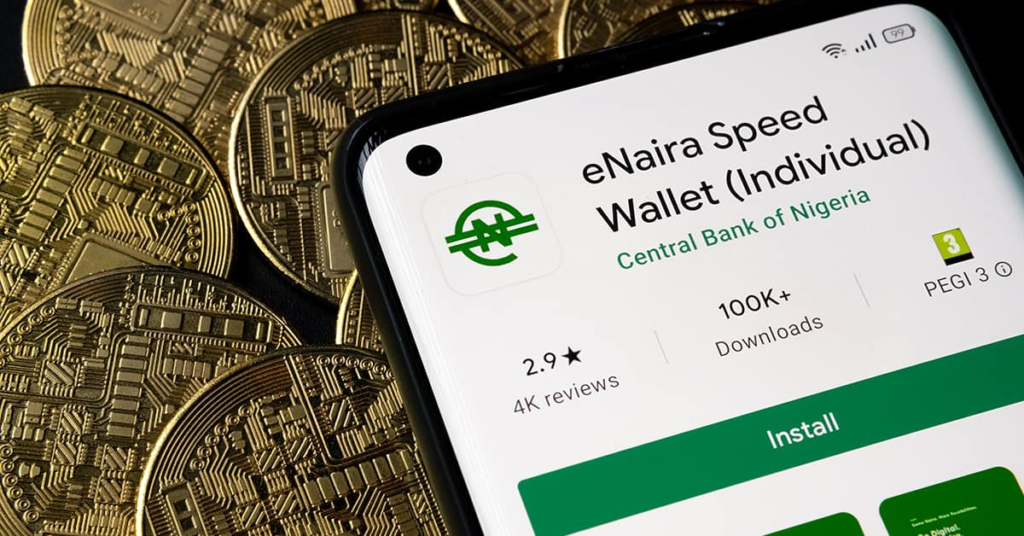
The Nigerian government is thinking about doing something that could change how millions of civil servants get paid. A recent report says that salary payments, pensions, and welfare benefits might soon be sent through the eNaira platform. Yes, the same digital currency that many people have heard about but haven’t really used.
The Central Bank of Nigeria (CBN) has released a new roadmap called the Nigeria Payments System Vision 2028, and this plan could finally give the eNaira the serious role it was always meant to play.
If you are a public servant, a pensioner, or just someone who wants to understand if their salary will soon be digital, this guide breaks everything down for you in plain English. Let’s walk through what is happening, why it matters, and what you need to know.
What is the eNaira? A Quick Reminder
In case you have forgotten, the eNaira is Nigeria’s very own digital currency. It was launched back in October 2021, making Nigeria the first country in Africa to have a Central Bank Digital Currency (CBDC). Think of it as digital cash that has the exact same value as the physical Naira in your pocket.
The CBN created it to help people without bank accounts access financial services, lower the costs of sending money, and push Nigeria towards a cashless economy.
Even though millions of wallets have been created, the eNaira has struggled to gain real traction. By early 2025, the total amount of eNaira in circulation was a tiny 0.37% of all the money out there.
Adoption has been slow because the app really only worked if you already had a bank account or a BVN. It just didn’t offer a good enough reason for people to switch from their regular banking apps.
The Big Announcement: Moving from Pilot to Core Platform
Here is the news that changes the game. The CBN wants to take the eNaira from being an experimental pilot project and turn it into a “core payment rail”. This means the government plans to channel major public sector payments through the digital currency.
According to the new roadmap, the eNaira could be used for a few key things going forward:
- Government salaries for all public workers
- Pension payments for retirees
- Conditional cash transfers and social welfare benefits
- Offline payments for those in rural areas
- Support for micro-enterprises
The document clearly states that “government-to-person payments, payroll processing, offline payments and micro-enterprise enablement” are key domestic applications for the digital currency. This is a massive shift in strategy.
The “Programmable Money” Feature Explained
One of the most interesting parts of this proposal is something the CBN calls “programmable money.” This feature of the eNaira could allow the government to add conditions to how the money is used.
Imagine the eNaira having these abilities:
- Time limits on spending: The money could expire if not used within a certain period
- Purpose-specific payments: Salary funds could be restricted so they can only be spent on essential goods
- Automatic payment splitting: The system could split your salary into different sub-wallets for rent, savings, and expenses
- Sub-wallets: You could create separate digital wallets for different needs
While this sounds high-tech, it also raises questions about control and privacy, which we will touch on soon.
Why is the CBN Doing This Now?
The simple truth is that the eNaira has struggled to get people’s attention. The CBN openly admitted in the roadmap that the digital currency suffers from things like limited use by merchants, weak connections with banking and fintech apps, and no real live cross-border payment options.
Millions of wallets have been registered, and transactions worth about N22 billion have been recorded, but actual everyday usage remains very low. In fact, one IMF report from 2023 found that less than 1% of Nigerians were actively using the eNaira.
So, the CBN is pivoting. Instead of trying to compete with popular fintech apps and bank transfers, they want to make the eNaira the invisible engine powering the government’s financial systems. If a civil servant has no choice but to get paid via eNaira, adoption will skyrocket overnight.
Potential Benefits for You (If It Works)
If this proposal becomes a reality, there could be some real upsides for the average Nigerian worker.
Faster Payments and No Delays
One of the biggest frustrations for civil servants is when salaries are delayed. Digital payments through a centralized platform like the eNaira could mean that funds move instantly from the government’s accounts into yours. No more waiting days for banks to process large payroll files.
Lower Transaction Costs
When you send money through traditional banks, you often pay fees. The eNaira was designed to reduce the cost of transactions, which means you could send money to family or pay bills without losing a chunk to charges.
Financial Inclusion for the Unbanked
Remember all those people who don’t have bank accounts? The eNaira also works through a USSD code, which is *997#. This means even someone with a simple feature phone can access their salary and make payments. The CBN specifically wants to use the eNaira to bring millions of unbanked Nigerians into the digital economy.
Better Tracking for Welfare Programs
For those who receive conditional cash transfers or other welfare benefits, the programmable money feature could ensure the funds are used for their intended purpose. It could stop funds from being wasted or mismanaged along the chain.
The Real Challenges and Concerns
Of course, not everything about this idea is smooth sailing. There are some serious obstacles and genuine concerns that need to be addressed.
Privacy is a Huge Question Mark
This is the biggest concern for many experts. Physical cash offers complete privacy. Nobody can track how you spend your money. But digital currencies like the eNaira create a digital footprint. Some experts have pointed out that the eNaira “undermines privacy, a critical component of physical cash”.
With the “programmable money” feature, authorities could potentially see your transaction history or even dictate how you spend your salary. This is a sensitive issue, especially for workers who value their financial freedom. Dr. Subhajit Basu from the University of Leeds has noted that with digital currencies, authorities may be able to see a person’s every transaction.
The Technology Might Fail in Rural Areas
Internet connectivity is not the same in Lagos as it is in a remote village in Borno State. While the eNaira does have offline capabilities, the user experience and reliability in low-network areas remain untested on a large scale.
Resistance from Workers and Unions
You cannot just change how people get paid and expect everyone to be happy. The Nigeria Labour Congress (NLC) has already been vocal about the fact that workers are facing severe hardship and that salary amounts are useless if the naira keeps crashing. If the government tries to force a new payment system without addressing the underlying economic pain, there will likely be strong resistance.
How the eNaira Actually Works (Step by Step)
If you are wondering how you would use the eNaira if this plan goes through, here is the basic process.
- Download the App: Smartphone users can download the “Speed” app from the Google Play Store or Apple App Store.
- Register with Your BVN or NIN: This is the strict part. You need your Bank Verification Number (BVN) or National Identification Number (NIN) to create a wallet. This is to prevent fraud, but it also excludes those without these IDs.
- Use USSD if No Smartphone: If you do not have a smartphone, you can dial *997# from any mobile phone to access your eNaira wallet and make transactions.
For the salary payment plan, the government would likely deposit funds directly into your registered eNaira wallet, which would be linked to your BVN.
Frequently Asked Questions
When will this new salary payment system start?
It is still a proposal. The CBN has released its Vision 2028 roadmap, but a specific implementation date has not been announced yet. It could take months or even years to fully roll out.
Can I refuse to be paid through eNaira?
That is unclear. If the government decides to make it mandatory for public servants, you may not have a choice. If you are a private sector worker, you will likely still receive your salary through regular bank transfers.
What if I don’t have a smartphone?
The government is aware of this. The eNaira has a USSD code (*997#) that works on any type of mobile phone, so you can access your salary even without a smartphone or internet connection.
Is my salary safe in an eNaira wallet?
The CBN is the issuer, so it is backed by the government. However, there are valid concerns about cybersecurity and data privacy. The CBN is actively working on security measures, but no system is 100% hack-proof.
What happens to my money if the government changes its mind?
Since the eNaira is legal tender, your money is still valid. You can withdraw it or spend it. The government would likely provide a way to convert it back to physical cash or transfer it to your bank account.
Conclusion
The proposal to pay salaries through the eNaira is a bold move by the CBN. It is a clear sign that the government is serious about pushing Nigeria towards a fully digital economy. For you, the worker, this could mean faster salaries and lower costs. For the government, it means more control and visibility over public funds.
But you also have legitimate questions to ask. Can you trust the system with your privacy? Is the technology ready for the challenges of Nigerian infrastructure? And will the government address the root causes of economic hardship before making a drastic change to how you get paid?
This is a story that is still unfolding. The plan is on paper, but its success will depend on execution and building trust with the Nigerian people.
What do you think about getting your salary through the eNaira? Would you trust it with your money, or do you prefer the physical cash in your hand? Drop your thoughts in the comments below.
