
Nigeria has had a fascinating and sometimes rocky journey since gaining independence from Britain in 1960. The country has seen military coups, civilian governments, and plenty of political drama along the way.
If you’re trying to understand Nigeria’s political history or just need a clear reference, you’ve come to the right place. This guide walks through every leader who has held the country’s highest office, from independence right up to today.
Let’s get into it.
Nigeria’s First President After Independence
Dr. Nnamdi Azikiwe (1963–1966)
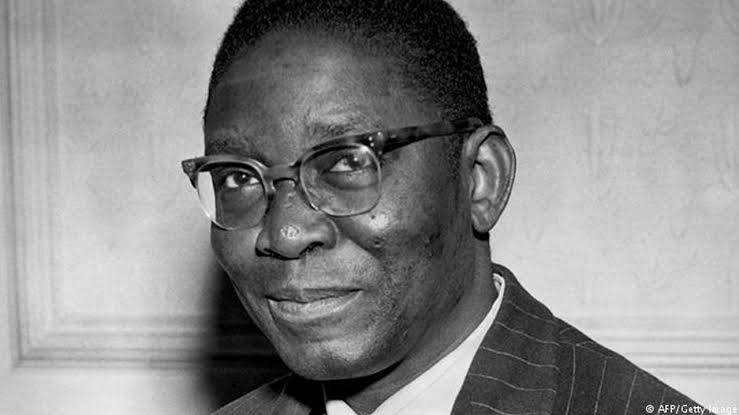
Here’s something many people get wrong. When Nigeria gained independence in 1960, the country still had the British monarch as head of state. Nigeria didn’t become a republic until 1963.
That’s when Nnamdi Azikiwe became the first true President of Nigeria. He served as Governor-General from 1960 to 1963, then stepped into the presidency role.
People often call Azikiwe “Zik of Africa.” He was a passionate advocate for African nationalism and played a huge role in Nigeria’s independence movement.
Why this matters for today: Azikiwe believed in a united Nigeria despite the country’s massive ethnic and religious diversity. That dream is still something Nigerian leaders wrestle with.
The First Military Leaders
Major General Johnson Aguiyi-Ironsi (January 1966 – July 1966)
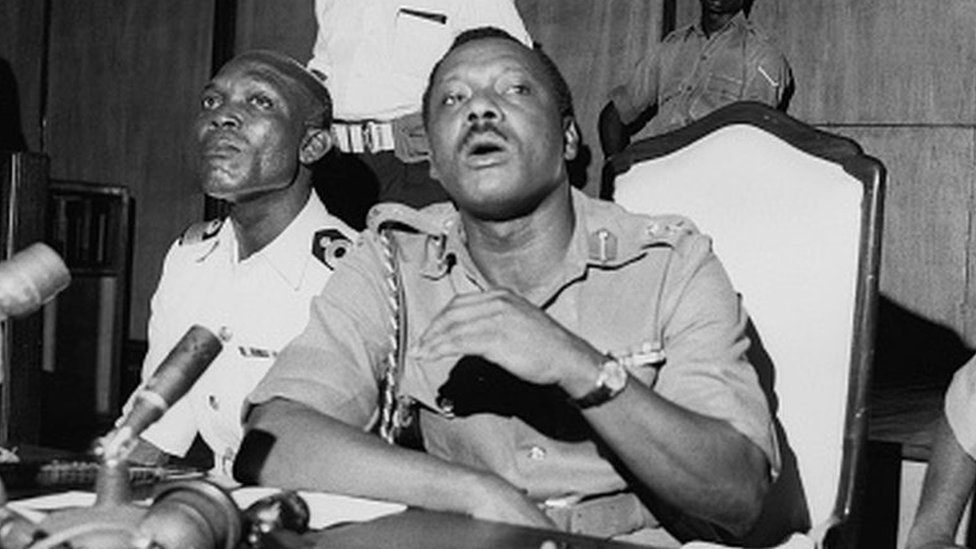
The first military coup in January 1966 changed everything. Aguiyi-Ironsi took over after the coup, but his time in power was incredibly short.
He lasted only six months before being killed during a counter-coup.
Here’s what most history books don’t emphasize enough: Aguiyi-Ironsi tried to abolish Nigeria’s federal system and make the country more centralized. That unpopular decision contributed directly to his downfall.
General Yakubu Gowon (1966–1975)
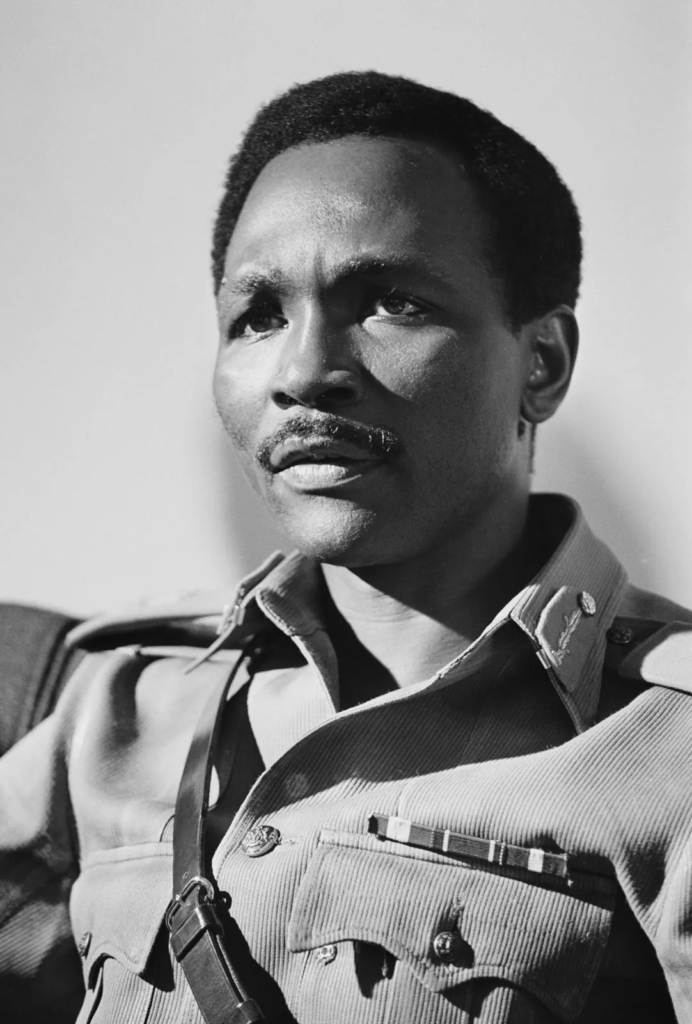
Gowon became head of state at just 31 years old. Think about that for a second. A 31-year-old in charge of Africa’s most populous nation during its most fragile moment.
His leadership covered the devastating Nigerian Civil War (1967–1970), also called the Biafran War. Over a million people died, mostly from starvation.
Practical takeaway: Gowon’s famous “no victor, no vanquished” policy after the war helped reunify the country. It wasn’t perfect, but it prevented endless cycles of revenge.
General Murtala Mohammed (July 1975 – February 1976)
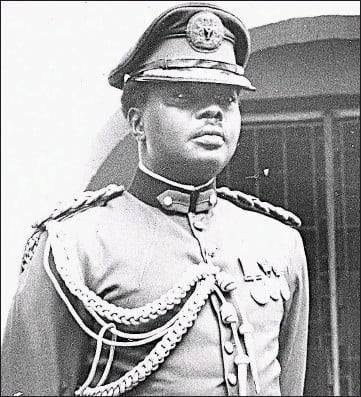
Mohammed lasted only seven months before being assassinated in a failed coup attempt. But those seven months left a real mark.
He moved the capital from Lagos to Abuja. He reduced the number of states. And he started serious efforts to fight government corruption.
His assassination in a traffic jam in Lagos shocked the nation. To this day, February 13 is remembered as a dark day in Nigerian history.
General Olusegun Obasanjo (1976–1979)
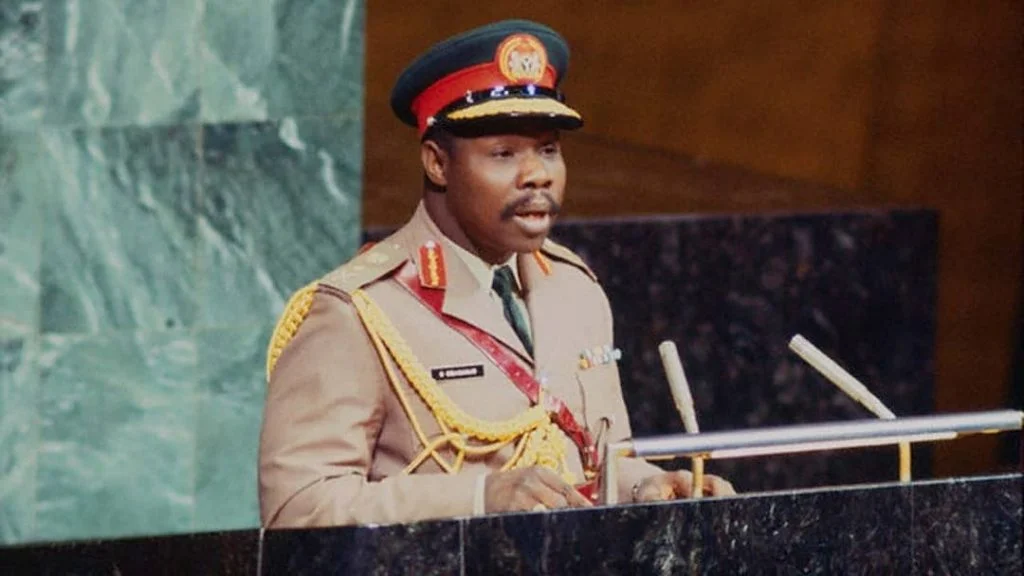
Obasanjo took over after Mohammed’s death. Here’s what makes him unique: he’s the only Nigerian leader who has led the country as both a military head of state and an elected civilian president (more on that later).
His first term ended with something rare in Africa at the time. He voluntarily handed power to an elected civilian government in 1979. No coup. No excuse to stay.
That decision earned him serious respect internationally.
The Second Republic
Shehu Shagari (1979–1983)
Shagari became Nigeria’s first elected civilian president after years of military rule. His time in office promised a fresh start.
But things fell apart quickly. Falling oil prices hurt the economy. Accusations of corruption spread. By 1983, people were frustrated.
Real talk: The military used those frustrations as justification for another coup. And Nigeria would spend another 16 years under military rule after Shagari.
More Military Rule
Major General Muhammadu Buhari (1983–1985)
Buhari took power promising to fix corruption and discipline the country. His “War Against Indiscipline” tried to enforce order through strict laws.
But his government also jailed journalists and restricted basic freedoms. People started seeing him as too harsh.
He was overthrown in 1985 by his own Chief of Army Staff.
General Ibrahim Babangida (1985–1993)
Babangida is one of the most controversial figures in Nigerian political history. He promised to return the country to civilian rule. Then he kept delaying it.
His government annulled the June 12, 1993 election, widely believed to have been won by Moshood Abiola. That decision led to a major political crisis.
Why this still matters today: June 12 is now celebrated as Nigeria’s Democracy Day. President Buhari made that change in 2019, recognizing how that annulled election still haunts Nigerian democracy.
Chief Ernest Shonekan (August 1993 – November 1993)
Shonekan led an interim government for just three months. Babangida stepped aside, and Shonekan was supposed to oversee a transition.
It didn’t work. General Sani Abacha overthrew him quickly.
General Sani Abacha (1993–1998)
Abacha’s rule was the harshest in Nigeria’s history. His government jailed political opponents, including Olusegun Obasanjo. It executed environmental activist Ken Saro-Wiwa and eight other Ogoni activists, which led to Nigeria’s suspension from the Commonwealth.
Abacha died suddenly in 1998 from a heart attack while with female doctors. Rumors still swirl about what really happened.
Key fact: Abacha’s family was later forced to return over $1 billion stolen from the country. That’s not a typo. Billion with a B.
General Abdulsalami Abubakar (1998–1999)
Abubakar had a simple mission: hand over power to civilians as quickly as possible.
He spent less than a year in office but organized elections and wrote a new constitution. That constitution is still the basis of Nigeria’s government today.
The Fourth Republic (1999–Present)
This brings us to Nigeria’s current democratic era. No military coups have succeeded since 1999, which is a big deal for a country that saw so many.
Olusegun Obasanjo (1999–2007)
Remember Obasanjo from earlier? He came back. This time as an elected civilian president.
His two terms saw economic reforms, efforts to fight corruption, and Nigeria paying off a huge chunk of foreign debt.
What worked: The banking system got stronger. The country became more stable internationally.
What didn’t: Corruption remained widespread. Some of his own family members faced accusations.
Umaru Musa Yar’Adua (2007–2010)
Yar’Adua had a quiet, thoughtful reputation. He admitted Nigeria’s elections had problems and promised electoral reform.
Then he got sick. Really sick. He left the country for medical treatment in Saudi Arabia and didn’t formally hand over power. That created a constitutional crisis.
He died in office in 2010.
Goodluck Jonathan (2010–2015)
Jonathan was Yar’Adua’s vice president. He stepped into the presidency under difficult circumstances.
Here’s what people remember most: In 2015, Jonathan lost the election to Muhammadu Buhari. And he conceded. He called Buhari to congratulate him before official results were even fully announced.
That had never happened in Nigeria. A sitting president losing and peacefully handing over power was huge.
Why that matters: That single act stabilized Nigerian democracy in a way no law could have.
Muhammadu Buhari (2015–2023)
Buhari returned to power, this time as an elected civilian. He first led the country as a military ruler in the 1980s.
His two terms focused on fighting corruption, tackling Boko Haram insurgency, and improving infrastructure. Results were mixed.
Honest assessment: Buhari’s anti-corruption agencies went after political opponents more aggressively than anyone expected. But infrastructure like roads and rail did see real improvements.
Bola Ahmed Tinubu (2023–Present)
Tinubu took office in May 2023. He’s a former governor of Lagos State and a major political figure for decades.
His early moves have been bold. He ended the long-running fuel subsidy, which caused immediate economic pain for everyday Nigerians. He also unified the country’s multiple exchange rates.
What to watch: Tinubu’s economic reforms are controversial. Many Nigerians are struggling with higher prices. Whether these moves pay off in the long run is still unfolding.
Quick Reference: All Nigerian Presidents in Order
| Years | Leader | How They Came to Power |
|---|---|---|
| 1963–1966 | Nnamdi Azikiwe | Elected (post-independence) |
| 1966 | Johnson Aguiyi-Ironsi | Military coup |
| 1966–1975 | Yakubu Gowon | Military coup |
| 1975–1976 | Murtala Mohammed | Military coup |
| 1976–1979 | Olusegun Obasanjo | Assumed after assassination |
| 1979–1983 | Shehu Shagari | Elected |
| 1983–1985 | Muhammadu Buhari | Military coup |
| 1985–1993 | Ibrahim Babangida | Military coup |
| 1993 | Ernest Shonekan | Interim appointment |
| 1993–1998 | Sani Abacha | Military coup |
| 1998–1999 | Abdulsalami Abubakar | Assumed after death |
| 1999–2007 | Olusegun Obasanjo | Elected |
| 2007–2010 | Umaru Yar’Adua | Elected |
| 2010–2015 | Goodluck Jonathan | Assumed after death |
| 2015–2023 | Muhammadu Buhari | Elected |
| 2023–present | Bola Tinubu | Elected |
Frequently Asked Questions
How many presidents has Nigeria had since independence?
Nigeria has had 16 presidents/heads of state since 1963. But if you count military leaders, the number is higher. The country celebrated 25 years of uninterrupted democracy in 2024.
Who was Nigeria’s youngest president?
Yakubu Gowon was only 31 when he became head of state in 1966.
Has Nigeria ever had a female president?
No. Nigeria has never had a female president or head of state.
Why has Nigeria had so many military leaders?
Between 1966 and 1999, military coups were common because the military saw itself as a solution to corrupt or failing civilian governments. Each coup created instability that led to more coups.
Who is the current president of Nigeria?
Bola Ahmed Tinubu has been president since May 29, 2023.
What This History Teaches Us
Looking at this list, a few patterns stand out.
Military leaders rarely improved life for ordinary Nigerians. They promised discipline and less corruption, but civilian governments have now lasted twice as long as any period of military rule since 1999.
The country’s biggest challenge hasn’t changed much since Azikiwe’s time: how to govern a massively diverse nation with over 250 ethnic groups, two major religions, and deep regional differences.
The good news? Since 1999, no military coup has succeeded. Each election brings more credibility. Each peaceful transfer of power builds stronger democratic habits.
Does Nigeria have a long way to go on corruption, infrastructure, and basic services? Absolutely. But the country has also survived things that would have broken less resilient nations.
Here’s my question for you: Looking at this history, what do you think Nigeria’s next president needs to prioritize differently to finally break the pattern of promise followed by disappointment?
Drop your thoughts below. I read every comment.
